Ezer Psychotherapy, PLLC Blog
Virtual Therapy for children, adolescents, and young adults in Minnesota, Wisconsin, North Dakota, and Florida
Welcome to the Ezer Psychotherapy Blog!

The Ezer Psychotherapy Blog is a resource for individuals, parents, and families seeking trustworthy information about mental health, eating disorder recovery, and emotional well-being. Here, you’ll find thoughtful articles written by licensed therapist Hallie Orton, offering practical guidance, clinical insight, and compassionate encouragement for navigating life’s challenges.
At Ezer Psychotherapy, we specialize in supporting children, adolescents, young adults, and families facing concerns such as eating disorders, anxiety, depression, trauma, functional neurologic disorder, and the emotional impact of medical conditions. Our blog is designed to extend that support beyond therapy sessions by providing helpful tools, education, and evidence-based strategies you can use in everyday life.
You’ll find articles covering topics such as:
Eating disorder recovery and family support
Parenting guidance for teens and young adults
Mental health education and coping strategies
Functional Neurologic Disorder (FND) and related conditions
Anxiety, trauma, and emotional resilience
Faith-integrated mental health perspectives
Whether you’re a parent supporting a child, a young adult navigating life transitions, or someone seeking clarity about mental health, our goal is to provide clear, compassionate, and clinically grounded information that helps you feel less alone and more empowered.
Healing and growth are possible. We hope these articles offer insight, encouragement, and practical support as you move toward a healthier and more fulfilling life.

Bulimia Nervosa: Symptoms, Causes, and Effective Treatment
Bulimia nervosa is a serious eating disorder characterized by cycles of binge eating followed by behaviors aimed at preventing weight gain, such as vomiting, excessive exercise, fasting, or misuse of laxatives. Although bulimia can be deeply distressing, it is a treatable condition, and many individuals recover with the help of specialized therapy.
Bulimia often develops during adolescence or young adulthood, but people of any age or gender can experience it. Because individuals with bulimia may maintain a typical body weight, the disorder can sometimes go unnoticed for long periods of time.
Understanding the symptoms, causes, and effective treatments for bulimia nervosa is an important step toward recovery.

Anorexia Nervosa: Symptoms, Causes, and Evidence-Based Treatment
Anorexia nervosa is a serious and potentially life-threatening eating disorder characterized by severe restriction of food intake, an intense fear of gaining weight, and a distorted perception of body shape or weight.
Anorexia affects individuals across the lifespan, but it most commonly develops during adolescence and young adulthood. With early intervention and specialized therapy, recovery is absolutely possible.
In this guide, we will explore what anorexia nervosa is, common warning signs, what causes it, and the most effective treatments available.

Understanding Orthorexia: Signs, Symptoms, and Effective Treatment
Orthorexia, also called orthorexia nervosa, is an eating disorder characterized by an unhealthy obsession with eating foods perceived as “healthy” or “pure.” Unlike anorexia or bulimia, which focus on quantity or body weight, orthorexia centers on food quality, often leading to restrictive diets, nutritional deficiencies, and social isolation.
People with orthorexia may spend excessive time planning, purchasing, and preparing “clean” meals and feel extreme anxiety when their dietary rules are broken. Over time, these behaviors can interfere with daily life, relationships, and overall mental health.

Why Eating Disorder Recovery Feels So Hard (Even When You’re Trying)
If you’re in eating disorder recovery, you may be asking yourself:
“Why is this still so hard?”
“Am I doing something wrong?”
“Why do I feel worse sometimes, not better?”
Here’s the truth:
Eating disorder recovery is hard because you’re doing it right—not because you’re failing.
Recovery isn’t just about eating more or changing behaviors. It requires rewiring your brain, tolerating distress, and letting go of something that once felt protective.
Let’s break down why it feels so difficult—and what that actually means.

How to Respond to Psychogenic Non-Epileptic Seizures (PNES): A Complete Guide for Families, Caregivers, and Clinicians
Psychogenic Non-Epileptic Seizures (PNES), also known as functional seizures, are episodes that resemble epileptic seizures but are not caused by abnormal electrical activity in the brain. Instead, they are a manifestation of psychological distress and fall under the category of functional neurological symptom disorder (FND).
PNES are real, involuntary, and distressing—not faked or intentional. They often occur in individuals with underlying conditions such as:
Anxiety disorders
Depression
Trauma or PTSD
Eating disorders
Chronic stress
Understanding how to respond appropriately is critical for safety, recovery, and reducing reinforcement of symptoms.

Refeeding and Mental Health Symptoms: Why You Feel Worse Before You Feel Better in Eating Disorder Recovery
Feeling more anxious, depressed, or overwhelmed during refeeding? Learn why mental health symptoms intensify in eating disorder recovery—and how to cope. Get expert support in Minnesota.

Picky Eating vs. Eating Disorder: How to Tell the Difference (and When to Seek Help)
If your child or teen is struggling with food, you may be asking an important question: Is this just picky eating, or is it something more serious? Understanding the difference between picky eating and an eating disorder is critical—because early intervention can significantly improve outcomes.

How to Support a College Student with an Eating Disorder (Without Making Things Worse)
If you’re worried about a college student struggling with an eating disorder, you’re not alone—and your support can make a life-changing difference.
Eating disorders often intensify during college years due to stress, independence, identity development, and academic pressure. But knowing how to help isn’t always straightforward. What you say (and don’t say) matters.
This guide will walk you through exactly how to support a college student with an eating disorder in a way that is compassionate, effective, and grounded in evidence-based care.

High-Functioning Anxiety in High Performers: When Success Comes at a Cost
You look like you have it all together.
You’re responsible. Driven. Reliable. The one everyone depends on.
But underneath?
You’re exhausted, anxious, and constantly worried you’re not doing “enough.”
If this sounds familiar, you—or your child—may be dealing with high-functioning anxiety.
At Ezer Psychotherapy, we specialize in helping children, adolescents, and young adults who are high achievers on the outside but struggling internally. And the truth is: this pattern is far more common than people realize.

Rumination Disorder: Symptoms, Causes, and Effective Treatment for Children, Teens, and Young Adults
When Eating Becomes Distressing: Understanding Rumination Disorder and How Treatment Can Help
If your child, teenager, or young adult repeatedly regurgitates food shortly after eating, you may feel confused, worried, and frustrated. Many families spend months—or even years—searching for answers before discovering that the behavior is not intentional and may not be caused by a gastrointestinal condition.
Rumination Disorder is a legitimate feeding and eating disorder that can significantly impact physical health, emotional wellbeing, nutrition, social functioning, and quality of life. The good news is that effective treatment is available, and recovery is possible.

Psychogenic Non-Epileptic Seizures (PNES) in Children, Teens, and Young Adults: Symptoms, Diagnosis, and Treatment
Psychogenic Non-Epileptic Seizures (PNES) can be frightening for children, adolescents, and young adults—and confusing for families. These episodes often look like epileptic seizures but are not caused by abnormal electrical activity in the brain. Instead, they are a type of functional neurological symptom connected to how the brain processes stress, emotions, and physical sensations.
PNES is a form of Functional Neurologic Disorder and is increasingly recognized by neurologists and mental health professionals. With the right treatment—particularly psychotherapy—many young people experience significant improvement and recovery.
At Ezer Psychotherapy, we specialize in evidence-based therapy for adolescents, young adults, and families experiencing complex brain-body conditions like PNES.

Functional Neurologic Disorder vs. Neurological Disease: What Families Need to Know
When a child or young adult experiences symptoms like tremors, weakness, or seizure-like episodes, families often fear a serious neurological condition. However, in some cases doctors diagnose Functional Neurologic Disorder, a condition that affects how the brain functions rather than its physical structure.
Understanding the difference between FND and other neurological disorders can help families feel more confident about treatment and recovery.

Am I Faking My Symptoms? The Truth About FND (And Why You’re Not Making It Up)
“Am I making this up?”
If you are living with Functional Neurological Disorder (FND), this question is incredibly common.
You may have been told your tests are normal.
You may have had providers minimize your experience.
You may not even understand your own symptoms.
These experiences often lead to one painful conclusion: “Maybe I’m faking this.”
That conclusion is incorrect.
Your symptoms are real. They are not intentional. And they are treatable.

Eating Disorder Treatment in Florida: How to Get Help (Without Waiting Months)
Eating Disorder Treatment in Florida: How to Get Help (Without Waiting Months)
Looking for eating disorder treatment in Florida but overwhelmed by waitlists, options, or not knowing where to start? You’re not alone—and you have more options than you think.
Whether you’re in Miami, Orlando, Tampa, Jacksonville, or a smaller community, finding specialized eating disorder care can be difficult. Many people spend months trying to find the right provider—while symptoms continue to worsen.
But here’s the truth:
You don’t have to wait—or settle for general therapy—to start real recovery.

Eating Disorder Treatment in North Dakota: How to Get Help (Even in Rural Areas)
Eating Disorder Treatment in North Dakota: How to Get Help (Even in Rural Areas)
Struggling to find eating disorder treatment in North Dakota? You’re not alone—and you have more options than you think.
If you or your child is dealing with an eating disorder in a rural area, it can feel overwhelming to find specialized care nearby. Long waitlists, limited providers, and travel barriers often delay treatment—but early, evidence-based care is critical.
The good news: you can access expert eating disorder therapy from North Dakota—without relocating.

Parents: What to Do When Your Teen Refuses Help for Their Eating Disorder
(A Practical, Compassionate Guide for When You Feel Stuck and Scared)
If your teen is struggling with an eating disorder but refuses help, you are not alone—and you are not powerless.
This is one of the most distressing situations a parent can face. You see the warning signs: restriction, weight loss, bingeing, purging, obsessive thoughts about food or body image. You’ve tried talking, encouraging, even pleading… and still, they say “I’m fine” or “I don’t need help.”

Eating Disorder Treatment in Wisconsin: How to Get Help (Even If You Feel Stuck)
Eating Disorder Treatment in Wisconsin: How to Get Help (Even If You Feel Stuck)
Looking for eating disorder treatment in Wisconsin but not sure where to start? You’re not alone—and effective help is available.
Whether you’re in Milwaukee, Madison, Green Bay, or a smaller rural town, finding specialized eating disorder care can feel overwhelming. Long waitlists, limited providers, and confusion about treatment options often delay care.
But here’s what many people don’t realize:
You don’t have to settle for limited local options to get expert treatment.
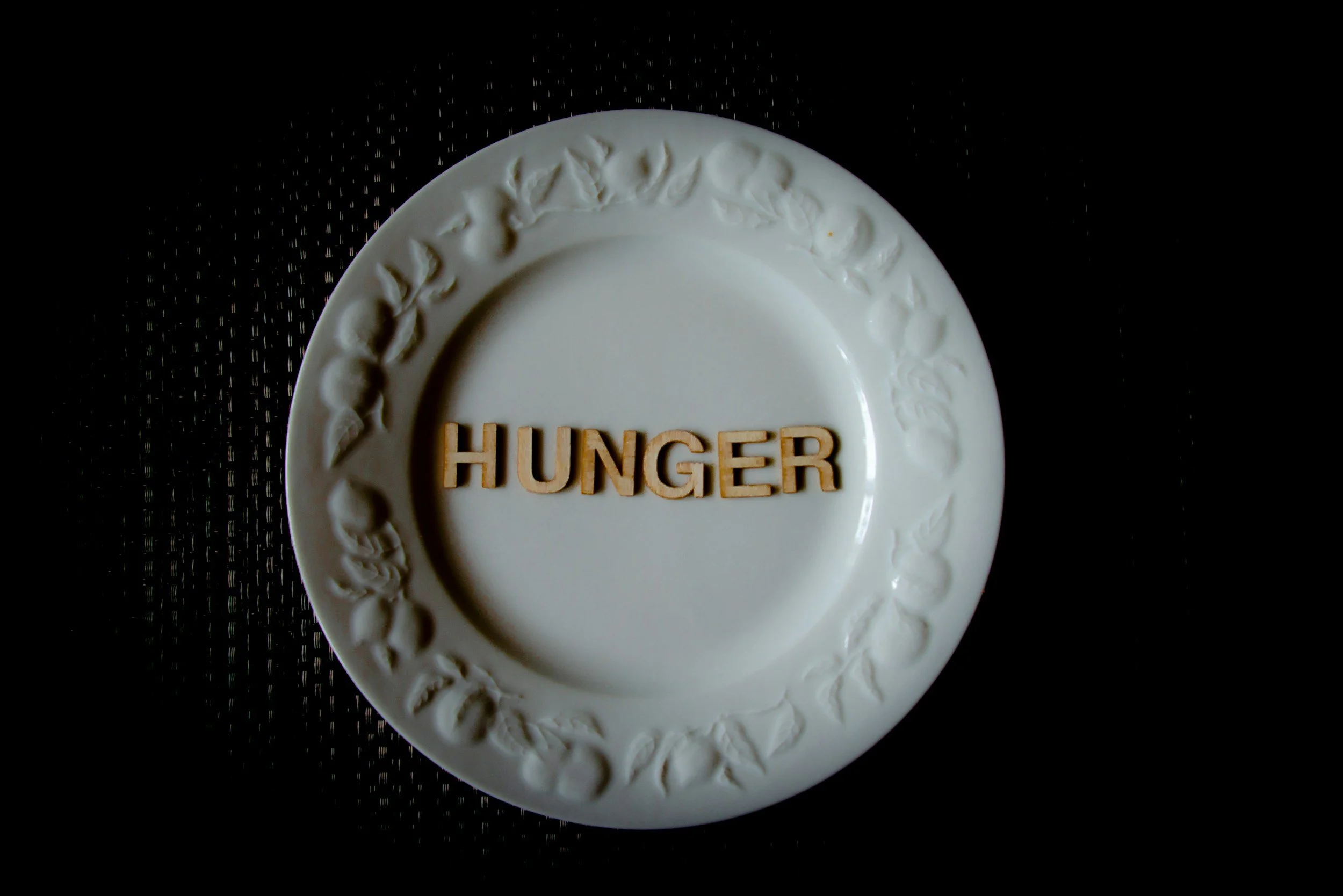
How Starvation Affects Mental Health: What Happens to Your Brain During an Eating Disorder
“Why Do I Feel This Way?” The Hidden Mental Effects of Starvation
If you or your loved one is struggling with an eating disorder, you may notice profound changes in mental health:
Constant anxiety or panic
Depression or emotional numbness
Irritability and anger
Obsessive thoughts about food or weight
Difficulty concentrating or making decisions
These symptoms can feel confusing—especially if they seem to come out of nowhere.
But there is a clear explanation: starvation fundamentally changes how the brain functions.

Parenting a Child During Eating Disorder Treatment: A Practical Guide for Families in Minneapolis
If your child is in eating disorder treatment, you are likely carrying an enormous amount of fear, responsibility, and uncertainty. Many parents feel overwhelmed navigating meals, emotions, and treatment recommendations—all while trying to support their child’s recovery.

How to Help a Teen With Anxiety (Parent Guide)
A Practical, Evidence-Based Guide for Parents — And When to Seek Support
Anxiety in teens is more common than ever—and more visible than ever. If your child seems constantly worried, overwhelmed, irritable, or withdrawn, you’re not alone. Many parents feel unsure how to help without making things worse.
The good news: anxiety is highly treatable, and the way you respond as a parent can make a powerful difference.
This guide will walk you through exactly how to support your teen at home—and when to consider professional help.