Eating Disorder Treatment for Children, Teens & Young Adults in Minnesota, Wisconsin, Florida & North Dakota

Helping You Walk in Freedom -
Recovery is Possible -
Helping You Walk in Freedom - Recovery is Possible -

Compassionate, Specialized Support for Healing Your Relationship with Food and Your Body
When a child or young person is struggling with an eating disorder, it affects everything—health, emotions, relationships, and the entire family. What may start as “picky eating,” dieting, or body image concerns can quickly become overwhelming, confusing, and frightening.
You may feel like you’re walking on eggshells.
Meals may turn into battles.
Your child may seem distant, anxious, or not like themselves anymore.
You are not alone—and effective help is available.
At Ezer Psychotherapy, we provide specialized, evidence-based therapy for eating disorders and disordered eating for children, adolescents, and young adults. Recovery is possible. With the right support, you or your loved one can build a healthier relationship with food, your body, and yourself/themself.
Signs of an Eating Disorder:
Eating disorders are complex medical and psychological conditions—not choices. They can affect individuals of any age, gender, body size, or background. Early recognition is one of the strongest predictors of successful recovery. If you notice these signs in yourself or someone you love, seeking support sooner rather than later can make all the difference.
-
Noticeable changes in weight (loss, gain, or rapid fluctuations)
Feeling dizzy, light-headed, or fainting
Fatigue or low energy
Gastrointestinal issues (bloating, constipation, stomach pain)
Feeling cold frequently or having poor circulation
Sleep disturbances
Hair thinning or loss; dry skin or brittle nails
Menstrual irregularities or loss of menstruation
Slowed heart rate, palpitations, or other medical concerns
-
Skipping meals or eating very small portions
Avoiding eating around others
Cutting out entire food groups without medical need
Excessive focus on “healthy,” “clean,” or “safe” foods
Eating in secret or hiding food
Rigid food rituals (cutting food into tiny pieces, extreme slowness, etc.)
Excessive or compulsive exercise, even when sick, injured, or exhausted
Repeated dieting or “detoxes”
Using the bathroom immediately after meals
Checking the body repeatedly in mirrors or avoiding mirrors completely
-
Intense fear of gaining weight or becoming “unhealthy”
Feeling guilt, shame, or anxiety around food
Believing you are “not sick enough” to seek help
Persistent negative thoughts about body shape or appearance
Irritability, mood swings, or withdrawal from relationships
Difficulty concentrating or feeling “foggy”
Strong need for control or perfectionism
Comparing your body or eating to others frequently
Feeling disconnected from hunger and fullness cues
-
Eating disorders in young people often look different. Parents and caregivers may notice:
Slowed growth or delayed puberty
Becoming unusually picky with foods previously enjoyed
Sudden fear of certain foods or textures
Increased irritability around mealtimes
Avoiding family meals
Declining performance in school or activities
Social withdrawal or increased secrecy
New interest in dieting, fitness, or calorie tracking
Specialized Eating Disorder Therapy for Every Stage of Development
At Ezer Psychotherapy, we provide expert treatment for children, adolescents, and young adults struggling with eating disorders, including:
Anorexia Nervosa
Anorexia Nervosa is characterized by restriction of food intake, intense fear of gaining weight, and a distorted perception of body shape or size. Individuals may see themselves as “overweight” even when medically underweight.
Common signs include:
Severe restriction of calories or food groups
Skipping meals or making excuses not to eat
Intense anxiety around weight gain
Obsessive calorie counting or rigid food rules
Excessive or compulsive exercise
Physical symptoms such as fatigue, dizziness, hair thinning, or loss of menstrual cycle
Anorexia is not about vanity or control — it is a serious mental health condition often rooted in perfectionism, anxiety, trauma, or a deep need for safety. Early intervention significantly improves outcomes.
Avoidant/Restrictive Food Intake Disorder (ARFID)
ARFID involves significant restriction of food intake, but unlike anorexia, it is not driven by body image concerns.
ARFID may stem from:
Sensory sensitivities (texture, smell, color)
Fear of choking or vomiting
Low appetite or lack of interest in food
Past traumatic experiences with eating
ARFID can lead to nutritional deficiencies, weight loss, or dependence on supplements. It is common in children but can persist into adolescence and adulthood. Treatment is supportive, gradual, and tailored to the individual's unique needs.
Bulimia Nervosa
Bulimia Nervosa involves recurrent episodes of binge eating followed by compensatory behaviors to prevent weight gain.
These behaviors may include:
Self-induced vomiting
Misuse of laxatives or diuretics
Fasting
Excessive exercise
Individuals often feel out of control during binge episodes and experience intense shame afterward.
Bulimia can lead to serious medical complications, including electrolyte imbalances, gastrointestinal issues, dental damage, and heart problems. With proper treatment, recovery is absolutely possible.
Other Specified Feeding or Eating Disorders (OSFED)
OSFED includes eating disorders that cause significant distress and impairment but do not meet full diagnostic criteria for anorexia, bulimia, or binge eating disorder.
Examples may include:
Atypical Anorexia (significant restriction without being underweight)
Purging disorder
Night eating syndrome
Sub-threshold bulimia or binge eating patterns
OSFED is just as serious as other eating disorders and deserves comprehensive treatment.
Binge Eating Disorder (BED)
Binge Eating Disorder (BED) is characterized by recurring episodes of eating large amounts of food accompanied by a feeling of loss of control — but without regular purging behaviors.
Common experiences include:
Eating rapidly or until uncomfortably full
Eating when not physically hungry
Eating alone due to embarrassment
Intense guilt, shame, or self-criticism afterward
Binge eating is often a coping strategy for managing stress, loneliness, trauma, or difficult emotions. Treatment focuses on building emotional regulation skills, stabilizing eating patterns, and reducing shame.
Relative Energy Deficiency in Sport (RED-S)
Relative Energy Deficiency in Sport (RED-S) occurs when athletes do not consume enough energy (calories) to support both their training demands and basic body functions.
RED-S can affect:
Hormonal health
Bone density
Menstrual cycles
Mood and concentration
Performance and recovery
It can occur unintentionally due to lack of nutrition knowledge — or alongside disordered eating patterns. Treatment focuses on restoring adequate nutrition, addressing performance pressures, and supporting both mental and physical recovery.
We understand that eating disorders look different at every age. Our approach is tailored to meet your child or loved one exactly where they are—developmentally, emotionally, and medically.

What Eating Disorders Really Feel Like
Eating disorders are not about food—they can often be related to pain, control, fear, or identity.
You, your child, or loved one may be:
Constantly thinking about food, weight, or body image
Avoiding meals or eating in secret
Feeling intense guilt, shame, or anxiety around eating
Struggling with perfectionism, anxiety, or low self-worth
Withdrawing from friends, family, or activities they once loved
For families, this often brings:
Fear for your child’s health and safety
Confusion about how to help
Conflict around meals
Exhaustion and helplessness
Healing is possible—and it doesn’t have to look like this forever.
We use proven, research-supported therapies to help clients recover while supporting families every step of the way:
Evidence-Based Eating Disorder Treatment That Works:

Treatment focuses on:
Restoring regular, adequate nutrition
Reducing eating disorder behaviors
Addressing any underlying anxiety, perfectionism, and emotional struggles
Rebuilding identity, confidence, and trust in the body
Family-Centered Care: You Are Part of the Healing
Parents and caregivers are not the problem—they are a critical part of the solution.
At Ezer Psychotherapy, we actively involve families in treatment, helping you:
Feel confident supporting your child through meals
Understand the eating disorder and how it operates
Reduce conflict and increase connection
Navigate recovery with clarity and support
You don’t have to figure this out alone.
What to Expect When Starting Eating Disorder Treatment at Ezer Psychotherapy
Beginning treatment can feel overwhelming, especially when you or your child are struggling with an eating disorder. At Ezer Psychotherapy, our goal is to make the process clear, collaborative, and supportive from the very first contact.
Step 1: Reach Out and Get Started
The first step is contacting Hallie to discuss your concerns and determine whether Ezer Psychotherapy is a good fit for your needs.
You may choose to:
Schedule an initial appointment directly, or
Schedule a free 15-minute consultation call to ask questions and learn more about treatment
Once your appointment is scheduled, you will receive intake paperwork to complete prior to your first session. These forms provide important background information and help ensure that your first appointment can focus on understanding your concerns and developing a treatment plan.
If you plan to use health insurance, Hallie can verify your insurance benefits before treatment begins. This process helps you understand your coverage, expected costs, and any requirements associated with your plan so there are no surprises when services begin.
Step 2: The Diagnostic Assessment
Your first clinical appointment will be a comprehensive Diagnostic Assessment (DA). This is an in-depth evaluation designed to help us understand your unique concerns, symptoms, strengths, and treatment needs.
During this appointment, Hallie will gather information about:
Current eating disorder symptoms and behaviors
Eating patterns, food-related fears, and nutritional concerns
Weight and growth history (when applicable)
Medical history and current health concerns
Mental health symptoms such as anxiety, depression, OCD, or perfectionism
Family dynamics and support systems
School, work, social, and daily functioning
Previous treatment experiences
For children and adolescents, parents or caregivers are typically involved in portions of the assessment to provide additional information and discuss concerns. Young adults may choose how much family involvement feels appropriate for their treatment.
The purpose of the Diagnostic Assessment is not simply to assign a diagnosis—it is to develop a comprehensive understanding of what is happening, identify factors contributing to the eating disorder, and determine the most effective path forward.
Step 4: Personalized Treatment Recommendations
Based on the information gathered during the Diagnostic Assessment, Hallie will provide individualized recommendations regarding the most appropriate treatment approach.
Recommendations may include:
Enhanced Cognitive Behavioral Therapy (CBT-E)
Exposure and Response Prevention (ERP) for co-occurring OCD symptoms
Parent support and coaching
Coordination with medical providers, dietitians, psychiatrists, or other members of your treatment team
Recommendations for a higher level of care when clinically indicated
Every recommendation is made with the goal of providing the safest, most effective, and most evidence-based treatment for long-term recovery.
Step 3: Developing Treatment Goals
Following the assessment, Hallie will work collaboratively with you and your family to identify meaningful treatment goals and priorities for treatment.
Goals may include:
Restoring adequate nutrition and eating regularly
Reducing eating disorder thoughts and behaviors
Improving body image and self-esteem
Decreasing anxiety around food, weight, or eating
Increasing flexibility with food choices
Strengthening coping skills
Supporting healthy adolescent or young adult development
Improving family communication and support
Treatment goals are individualized and tailored to each client's specific needs, circumstances, and stage of recovery.
Step 5: Begin Your Recovery Journey
Once recommendations have been reviewed, we will schedule ongoing appointments and begin treatment.
Sessions are tailored to the unique needs of each child, adolescent, young adult, and family. Throughout treatment, Hallie will provide education, support, accountability, and evidence-based interventions to help clients make meaningful progress toward recovery.
Recovery from an eating disorder is possible. Whether you are seeking support for a child, adolescent, or young adult, Ezer Psychotherapy is committed to providing compassionate, specialized care every step of the way.
Why Choose Ezer Psychotherapy for Eating Disorder Treatment:
-
Treatment tailored for children, adolescents, and young adults with eating disorders
Experience treating anorexia, bulimia, binge eating disorder, ARFID, and disordered eating patterns
Focus on both behavioral recovery and underlying emotional healing
-
Uses proven approaches like CBT, FBT (Family-Based Therapy), and DBT-informed care
Therapy that addresses food behaviors, body image, anxiety, and perfectionism
Balanced approach: structured + individualized + compassionate
-
Parents are guided on how to support recovery at home
Clear strategies to reduce mealtime stress and power struggles
Ongoing collaboration so families feel confident and supported—not alone
-
No one-size-fits-all approach
Treatment is tailored to your:
Age and developmental stage
Type and severity of eating disorder
Emotional and family needs
Flexible pacing to support sustainable, long-term recovery
-
Accessible eating disorder therapy in:
Minnesota (MN)
Wisconsin (WI)
North Dakota (ND)
Florida (FL)
Secure, convenient telehealth sessions from home
-
Goes beyond food to address:
Anxiety
Identity and self-worth
Emotional regulation
Life transitions
Helps clients build a healthy relationship with food, body, and self
-
At Ezer Psychotherapy, we work alongside:
Dietitians
Medical providers
Higher levels of care when needed
This ensures consistent, aligned treatment
-
Early intervention for those “just starting to worry” about eating
Ongoing support for those already in recovery
Relapse prevention and long-term maintenance planning
-
Clients feel heard, understood, and respected
Therapy that reduces shame and builds trust
Focus on progress—not perfection
-
Ezer Psychotherapy offers the option to thoughtfully integrate Christian faith into the therapy process for clients who desire it. This may include incorporating prayer, Scripture, and faith-based perspectives alongside evidence-based clinical approaches. Care is always individualized, respecting each client’s beliefs, values, and preferences, with no expectation or requirement to include faith in treatment.
Learn more about optional faith-based (Christian) therapy integration
Start Eating Disorder Recovery Today
Beginning therapy can feel overwhelming. My goal is to provide a supportive, nonjudgmental environment where you feel empowered throughout your therapeutic journey. If you’re noticing signs of an eating disorder, early support can make a life-changing difference. You don’t have to wait until things get worse. You don’t have to manage this alone.
Reach out today to schedule a consultation and take the first step toward healing.

Struggling to understand eating disorders or how to help someone you love? Visit our blog for expert advice, real-world strategies, and support for every stage of recovery.
-
![Yellow diamond-shaped road sign with a black exclamation mark in the center, set in a forest with trees and green foliage.]()
When Is Eating Disorder Treatment Needed? Warning Signs Parents Should Not Ignore
-
![Christian eating disorder treatment and therapy, Minnesota, Wisconsin, North Dakota, Florida, child, teens, adolescents, young adults, college students, anorexia, bulimia, ARFID, binge eating disorder, Hallie Orton, Ezer Psychotherapy. Virtual.]()
What to Expect in Outpatient Eating Disorder Therapy: A Complete Guide for Recovery
-
![Christian eating disorder treatment and therapy, Minnesota, Wisconsin, North Dakota, Florida, child, teens, adolescents, young adults, college students, anorexia, bulimia, ARFID, binge eating disorder, Hallie Orton, Ezer Psychotherapy. Virtual.]()
Common Co-Occurring Diagnoses in People With Eating Disorders and How Ezer Psychotherapy Treats Them
-
![Christian eating disorder treatment and therapy, Minnesota, Wisconsin, North Dakota, Florida, child, teens, adolescents, young adults, college students, anorexia, bulimia, ARFID, binge eating disorder, Hallie Orton, Ezer Psychotherapy. Virtual.]()
How to Provide Meal Support for People with Eating Disorders
-
![Christian eating disorder treatment and therapy, Minnesota, Wisconsin, North Dakota, Florida, child, teens, adolescents, young adults, college students, anorexia, bulimia, ARFID, binge eating disorder, Hallie Orton, Ezer Psychotherapy. Virtual]()
Does My Child (or do I) Have an Eating Disorder? Signs Not to Ignore
-
![Christian eating disorder treatment and therapy, Minnesota, Wisconsin, North Dakota, Florida, child, teens, adolescents, young adults, college students, anorexia, bulimia, ARFID, binge eating disorder, Hallie Orton, Ezer Psychotherapy. Virtual.]()
What to Do if Your Child or Teen Refuses to Eat
-
![What to do if your child refuses to eat, does my child have an eating disorder, what are symptoms of an eating disorder, malnutrition, eating disorder treatment and therapy Minneapolis, St. Paul, Minnesota, Wisconsin, North Dakota, Florida]()
Healing the Mirror: Supporting Your Child’s Journey to Body Acceptance
-
![Christian eating disorder treatment and therapy, Minnesota, Wisconsin, North Dakota, Florida, child, teens, adolescents, young adults, college students, anorexia, bulimia, ARFID, binge eating disorder, Hallie Orton, Ezer Psychotherapy. Virtual.]()
Common Myths About Eating Disorders Debunked: What Every Parent, Teen, and Adult Needs to Know
-
![Christian eating disorder treatment and therapy, Minnesota, Wisconsin, North Dakota, Florida, child, teens, adolescents, young adults, college students, anorexia, bulimia, ARFID, binge eating disorder, Hallie Orton, Ezer Psychotherapy. Virtual.]()
Parent Survival Guide: Navigating Family-Based Treatment (FBT) for Your Child’s Eating Disorder
-
![A blurry, black and white photograph of a person pressing their hands against a foggy or frosted glass surface, with their face and body obscured behind the glass.]()
Brain Fog and Eating Disorders: Why You Can’t Think Clearly (and How to Fix It)
-
![Two hands reaching towards each other with one hand extended and the other hand slightly curled, in front of a concrete wall with vertical lines.]()
How to Support Someone with an Eating Disorder: A Guide for Friends and Family
-
![Athlete in starting position on a red track, holding a baton, ready to race.]()
Eating Disorders & Athletes: When Performance and Health Collide
-
![A person wearing a denim jacket and holding a stack of notebooks while walking outdoors, with earphones in and a backpack on their shoulder.]()
Eating Disorders in College Students: You Don’t Have to Navigate This Alone
-
![body image in dancers
eating disorders in ballet
performance anxiety therapy
sports therapist
therapy for athletes
athlete mental health
sports psychology counseling
stage anxiety therapist
anxiety before auditions
athlete and performer burnout]()
When You’re Worried About Your Child’s Eating: A Guide for Parents
-
![sports therapist
therapy for athletes
athlete mental health
ezer psychotherapy
eating disorder treatment for athletes
christian counseling
college students
minnesota, wisconsin, north dakota
sports psychology counseling
therapy for student athletes]()
Does My Child Have ARFID? Signs Parents Should Not Ignore and What to Do
-
![sports therapist
therapy for athletes
athlete mental health
sports psychology counseling
therapy for student athletes
North dakota, florida, minnesota, wisconsin therapy
virtual therapy
hallie orton
online therapy
ezer psychotherapy
college student]()
Christian-Based Eating Disorder Therapy: Integrating Faith and Healing in Recovery
-
![burnout in athletes
anxiety in athletes
perfectionism in sports
athlete identity issues
injury trauma therapy
therapy for competitive athletes
sports performance anxiety
Minnesota, wisconsin, north dakota, florida therapist
Hallie Orton]()
How Malnutrition Changes Your Brain, Affects Mental Health, (And Why Recovery Feels So Hard)
-
![burnout in athletes
anxiety in athletes
perfectionism in sports
athlete identity issues
injury trauma therapy
therapy for competitive athletes
sports performance anxiety
Minnesota, Wisconsin, North Dakota, Florida online therapy]()
Why Eating Disorder Recovery Feels So Hard (Even When You're Trying)
-
![child therapist near me
teen therapist
adolescent counseling
therapy for teenagers
counseling for kids
sports performance anxiety Minnesota, Wisconsin, North Dakota, Florida online therapy
hallie orton
ezer psychotherapy
therapy for eating disorders]()
Refeeding and Mental Health Symptoms: Why You Feel Worse Before You Feel Better in Eating Disorder Recovery
-
![child therapist near me teen therapist adolescent counseling therapy for teenagers counseling for kids sports performance anxiety Minnesota, Wisconsin, North Dakota, Florida online therapy hallie orton ezer psychotherapy therapy for eating disorder]()
Picky Eating vs. Eating Disorder: How to Tell the Difference (and When to Seek Help)
-
![child therapist near me teen therapist adolescent counseling therapy for teenagers counseling for kids sports performance anxiety Minnesota, Wisconsin, North Dakota, Florida online therapy hallie orton ezer psychotherapy therapy for eating disorder]()
Aggression and Anger Outbursts During Eating Disorder Treatment: A Guide for Parents Using Family-Based Treatment (FBT)
-
![child therapist near me teen therapist adolescent counseling therapy for teenagers counseling for kids sports performance anxiety Minnesota, Wisconsin, North Dakota, Florida online therapy hallie orton ezer psychotherapy therapy for eating disorder]()
How to Support a College Student with an Eating Disorder (Without Making Things Worse)
-
![child therapist near me teen therapist adolescent counseling therapy for teenagers counseling for kids sports performance anxiety Minnesota, Wisconsin, North Dakota, Florida online therapy hallie orton ezer psychotherapy therapy for eating disorder]()
Parents: What to Do When Your Teen Refuses Help for Their Eating Disorder
-
![child therapist near me teen therapist adolescent counseling therapy for teenagers counseling for kids sports performance anxiety Minnesota, Wisconsin, North Dakota, Florida online therapy hallie orton ezer psychotherapy therapy for eating disorder]()
How Starvation Affects Mental Health: What Happens to Your Brain During an Eating Disorder
-
![A table set with various dishes including a roasted chicken, a meatloaf garnished with herbs, roasted potatoes, cauliflower, and other side dishes, all arranged on green and white platters with napkins and utensils.]()
How to Support a Loved One with an Eating Disorder During the Holidays
-
![]()
The Hidden Cost of Untreated Eating Disorders: Academic Dreams Deferred
-
![anxiety in teens
depression in teenagers
therapy for school stress
self esteem therapy for teens
emotional regulation therapy
therapy for perfectionist teens
social anxiety in teens
teen burnout
therapy for gifted children]()
Anorexia vs. Orthorexia: What’s the Difference (and Why It Matters)
-
![does my child need residential eating disorder treatment family based treatment anorexia FBT for adolescents eating disorder treatment for teens anorexia treatment Minnesota telehealth eating disorder therapy, Christian eating disorder therapy]()
When Is Higher Level of Care Needed for a Child With an Eating Disorder? | FBT Support for Families
-
![Person with long dark hair sitting at a desk, holding their head with one hand in distress, with a laptop and a smartphone on the desk.]()
Eating Disorder Treatment Options Explained: Inpatient, Residential, PHP, IOP, and Outpatient Care
-
![FBT-TAY eating disorders Family-Based Treatment for Transitional Age Youth FBT-TAY therapy FBT-TAY treatment FBT-TAY for anorexia FBT-TAY for young adults Family-Based Treatment for young adults Family-Based Treatment eating disorders eating disorder]()
FBT-TAY for Eating Disorders: Family-Based Treatment for Transitional Age Youth
-
![rumination disorder treatment rumination disorder therapist rumination syndrome treatment rumination disorder in children eating disorder therapy Minnesota rumination disorder telehealth feeding and eating disorder treatment, MN, WI, ND, FL, anorexia]()
Rumination Disorder: Symptoms, Causes, and Effective Treatment for Children, Teens, and Young Adults
-
![A woman practicing yoga on a yoga mat outdoors at sunset, stretching with her arm raised in a backbend pose near a body of water.]()
Why Exercise Is Sometimes Paused During Eating Disorder Treatment (And Why It's Not a Punishment)
-
![Close-up of a hand holding a pen and marking checkboxes on a checklist written on a grid notebook page.]()
Why Meal Plans Are Used in Eating Disorder Treatment
-
![Five people walking on the beach at sunset, holding hands, with the sun setting over the ocean in the background.]()
Why Siblings Matter in Family-Based Treatment (FBT) for Eating Disorders: Understanding Their Essential Role in Recovery
-
![Medical supplies including a stethoscope, scissors, a blister pack of pink and white pills, a blue medical mask, and pink pill organizers on a white surface.]()
What Medical Monitoring Is Needed During Eating Disorder Recovery?
-
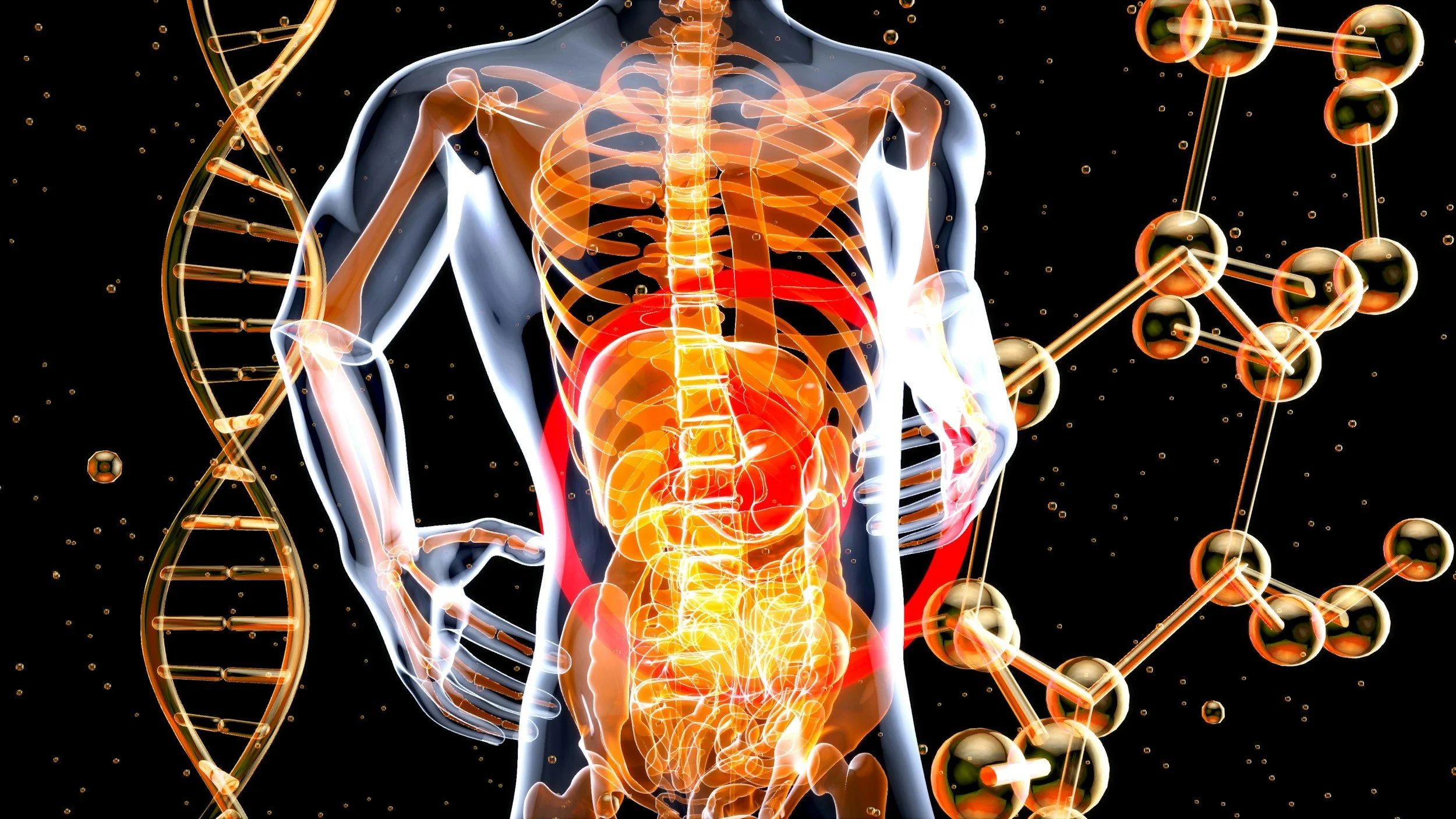
![A digital illustration showing the human torso with highlighted internal organs, DNA strands, and molecular structures against a black background.]()
Hypermetabolism During Eating Disorder Recovery: Why the Body May Need More Nutrition During Refeeding
-
![A dancer in motion on stage, illuminated by colorful purple, pink, and blue lights, creating a blurred, dynamic effect.]()
Returning to Sport After an Eating Disorder: A Safe, Gradual Path Back for Athletes
-
![Sunlight streaming through tree branches, illuminating steam rising from hot water or geothermal activity, with grass at the bottom and a clear sky in the background.]()
Eating Disorders and OCD: Understanding the Connection, Symptoms, and Treatment
-
![]()
Anosognosia in Eating Disorders: When Someone Cannot Recognize How Sick They Are
-
![]()
My Loved One Has an Eating Disorder but Refuses Treatment. What Should I Do?
-
![]()
Supporting a Child With ARFID: How to Make Food Exposures Safer and More Effective
-
![]()
Goal Weights, Growth Charts, and Why Weight Restoration Matters in Eating Disorder Recovery
-
![]()
Back to School With an Eating Disorder: A Guide for Parents
-
![]()
Family-Based Treatment During the School Year: A Practical Guide for Parents
-
![]()
Virtual Eating Disorder Treatment for Children, Teens, and Young Adults: How Online Therapy Can Help Families Heal
-
![]()
Emotion-Focused Family Therapy for Eating Disorders: How Ezer Psychotherapy Uses EFFT Alongside FBT
-
![]()
Why Does Eating Disorder Recovery Feel So Hard? Why Things Can Feel Worse Before They Feel Better
-
![]()
Picky Eating vs. ARFID: How to Tell the Difference and When to Seek Help
-
![]()
Does My Child Have an Eating Disorder? How FBT can help.















































Literature, Podcasts, & Professional Organizations for Additional Information & Support:
-
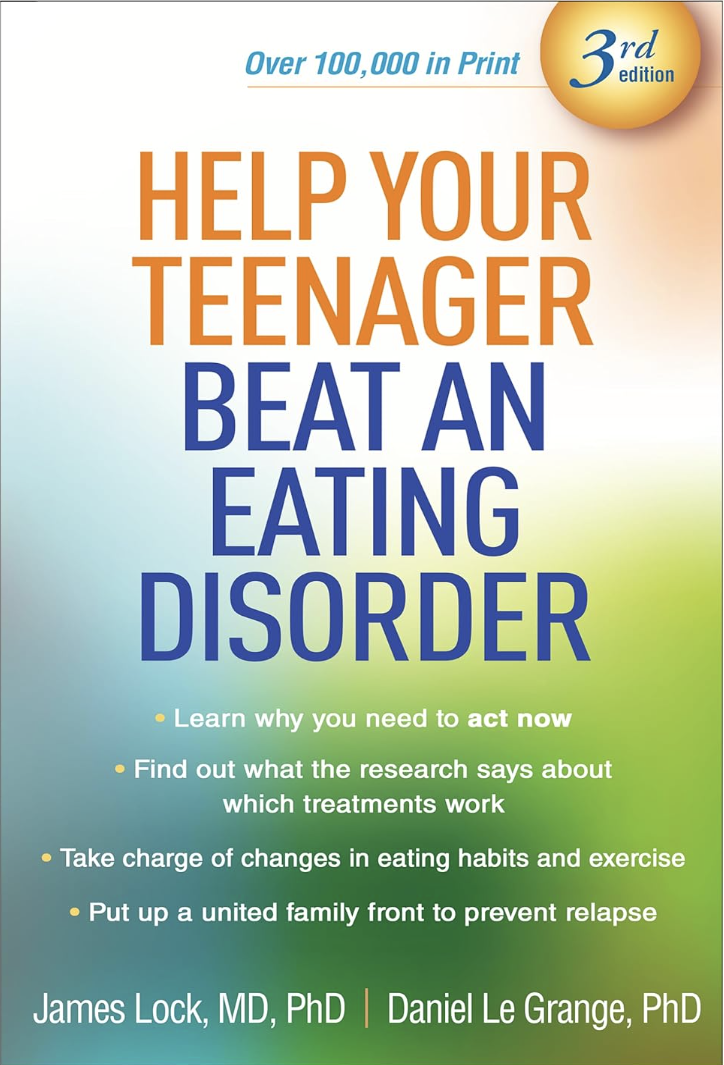
![Cover of a book titled 'Help Your Teenager Beat an Eating Disorder' with a gradient background. Features a gold circle indicating 3rd edition and mentions over 100,000 copies printed. Lists authors James Lock, MD, PhD and Daniel Le Grange, PhD.]()
Help Your Child Beat An Eating Disorder
-
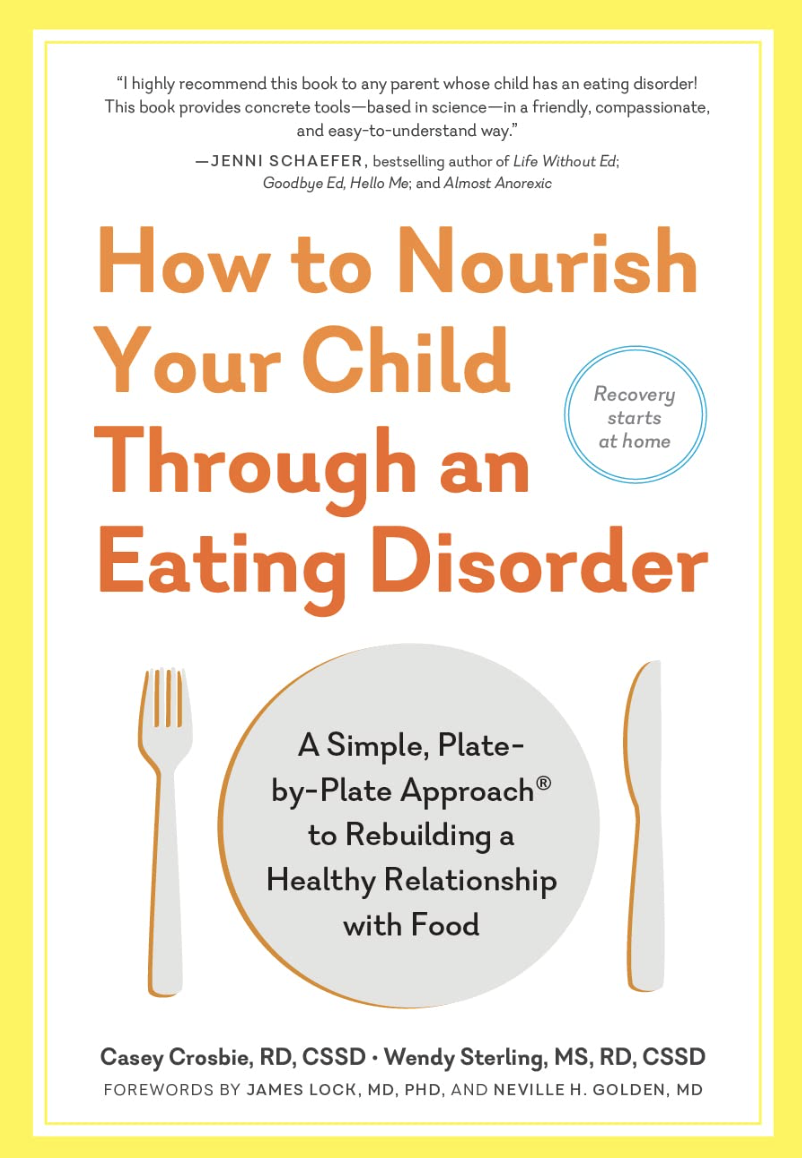
![Book cover titled "How to Nourish Your Child Through an Eating Disorder" by Casey Crosbie and Wendy Sterling. The cover features a yellow border, orange large text, and a simple illustration of a fork and knife with a gray circle in the middle containing the subtitle. The cover also includes a quote at the top and a blue circle with text that says "Recovery starts at home."]()
How to Nourish Your Child Through an Eating Disorder: A Simple, Plate-by-Plate Approach® to Rebuilding a Healthy Relationship with Food
-
![Book cover titled "Sick Enough", second edition, by Jennifer L. Gaudiani, MD. The cover features a large group of diverse, colorful illustrated people forming a swirl around the book title and subtitle about medical complications of eating disorders and undernutrition.]()
Sick Enough: A Guide to the Medical Complications of Eating Disorders and Undernutrition
-
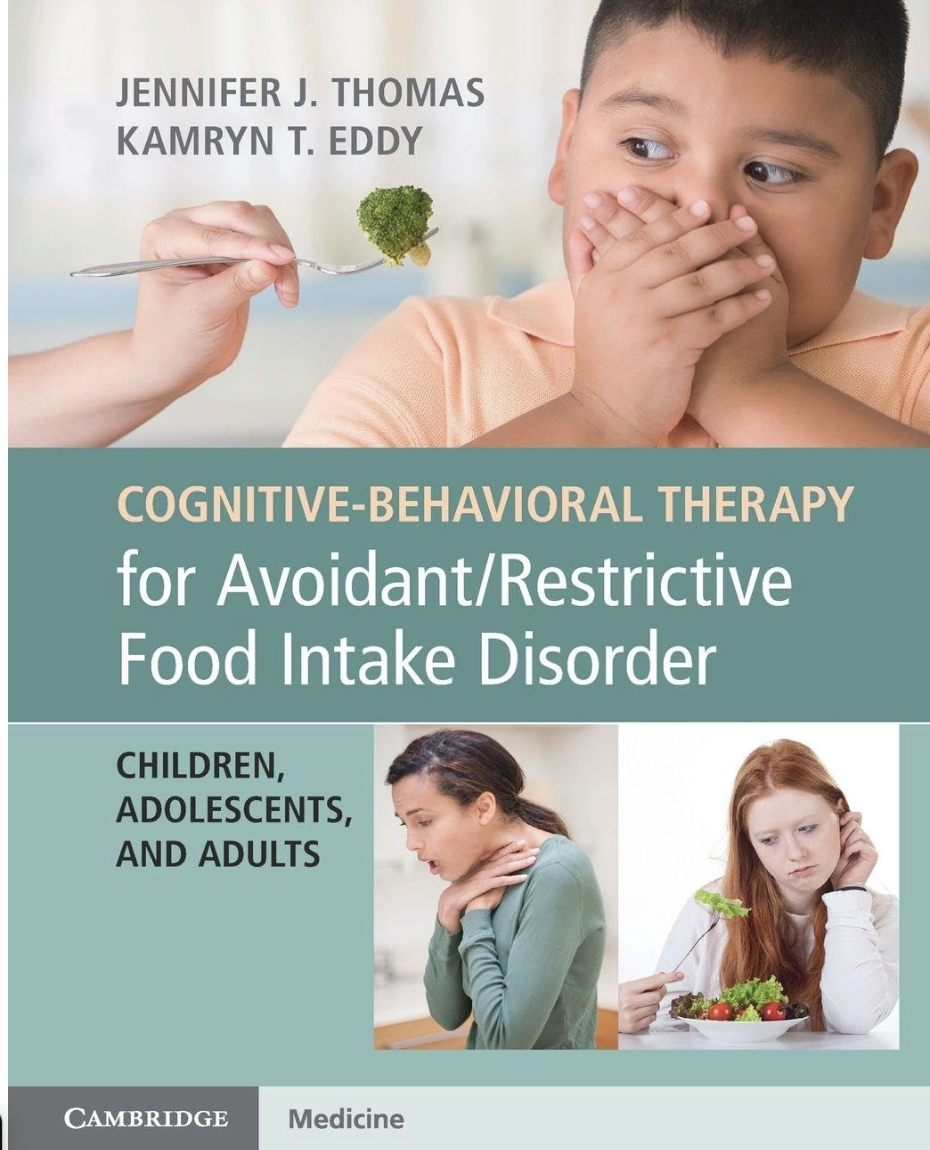
![Book cover titled "Cognitive-Behavioral Therapy for Avoidant/Restrictive Food Intake Disorder" by Jennifer J. Thomas and Kamryn T. Eddy, featuring images of a boy covering his mouth and two women, one with a sore throat and the other looking at a salad thoughtfully.]()
Cognitive-Behavioral Therapy for Avoidant/Restrictive Food Intake Disorder
-
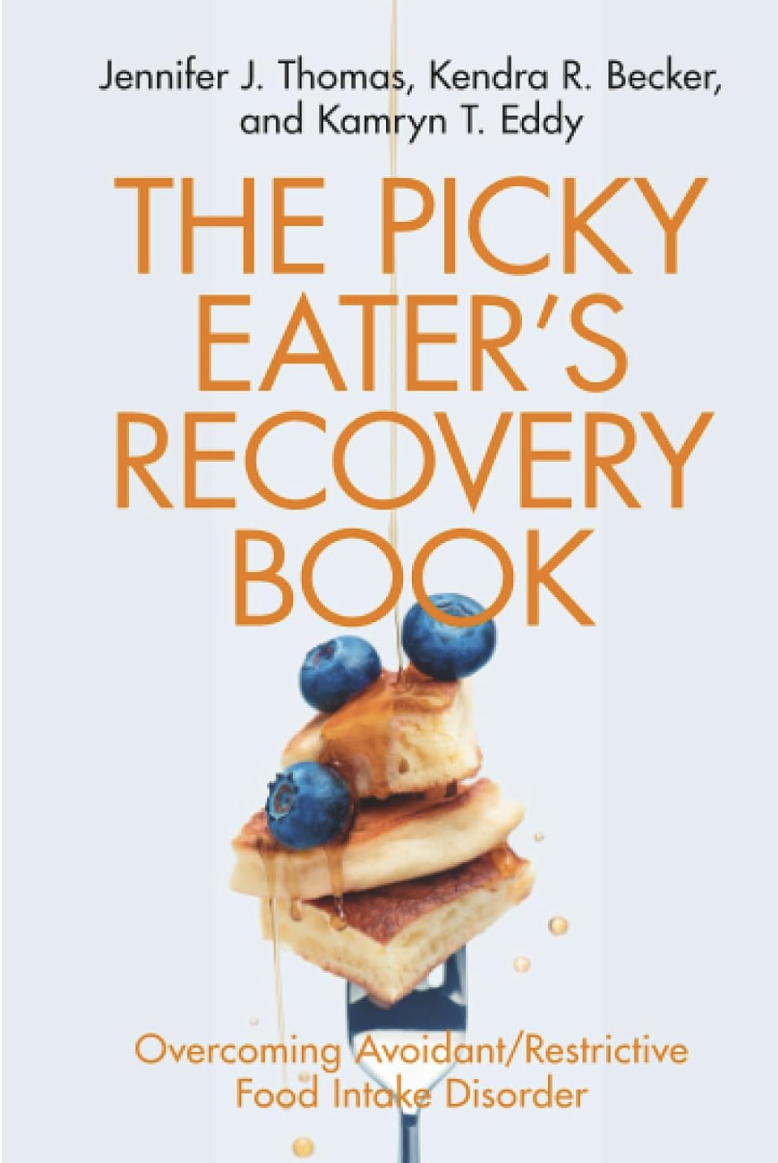
![Book cover titled "The Picky Eater's Recovery Book" with a stack of waffles topped with blueberries and syrup on a fork.]()
The Picky Eater's Recovery Book: Overcoming Avoidant/Restrictive Food Intake Disorder
-
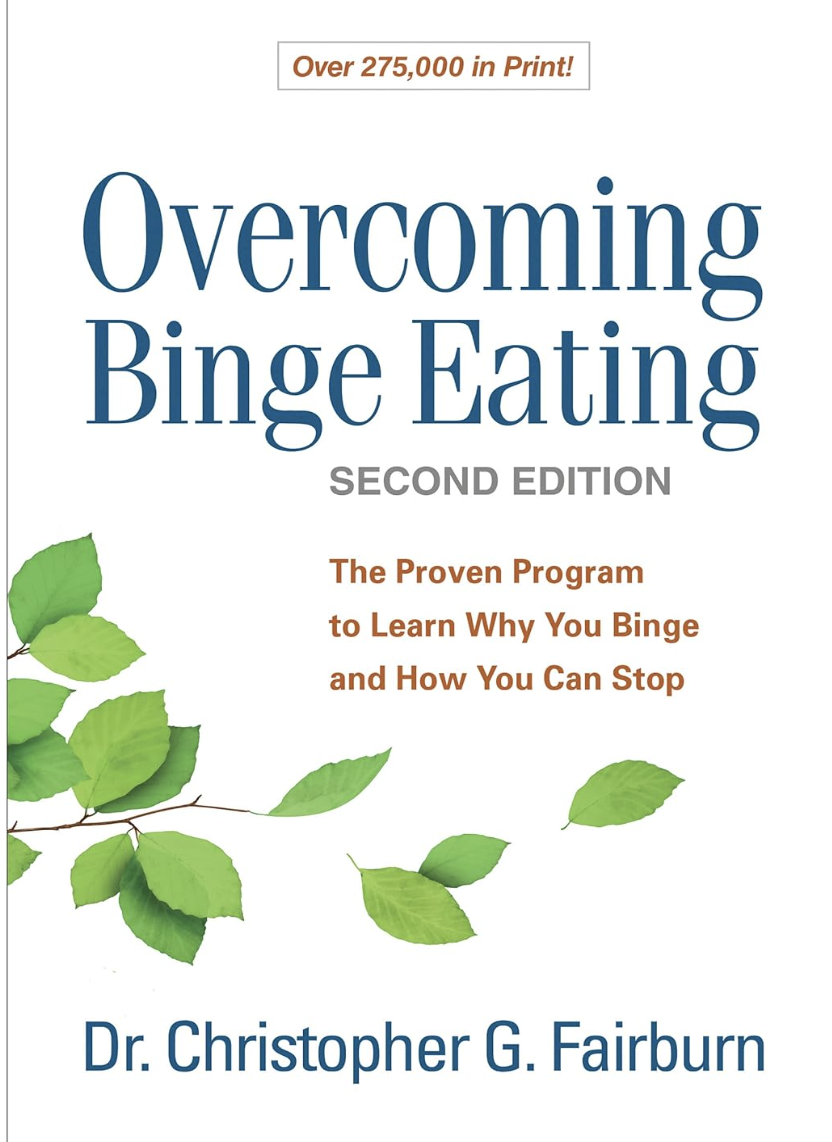
![Book cover titled 'Overcoming Binge Eating' by Dr. Christopher G. Fairburn, second edition, with green leaves on a white background.]()
Overcoming Binge Eating: The Proven Program to Learn Why You Binge and How You Can Stop
-
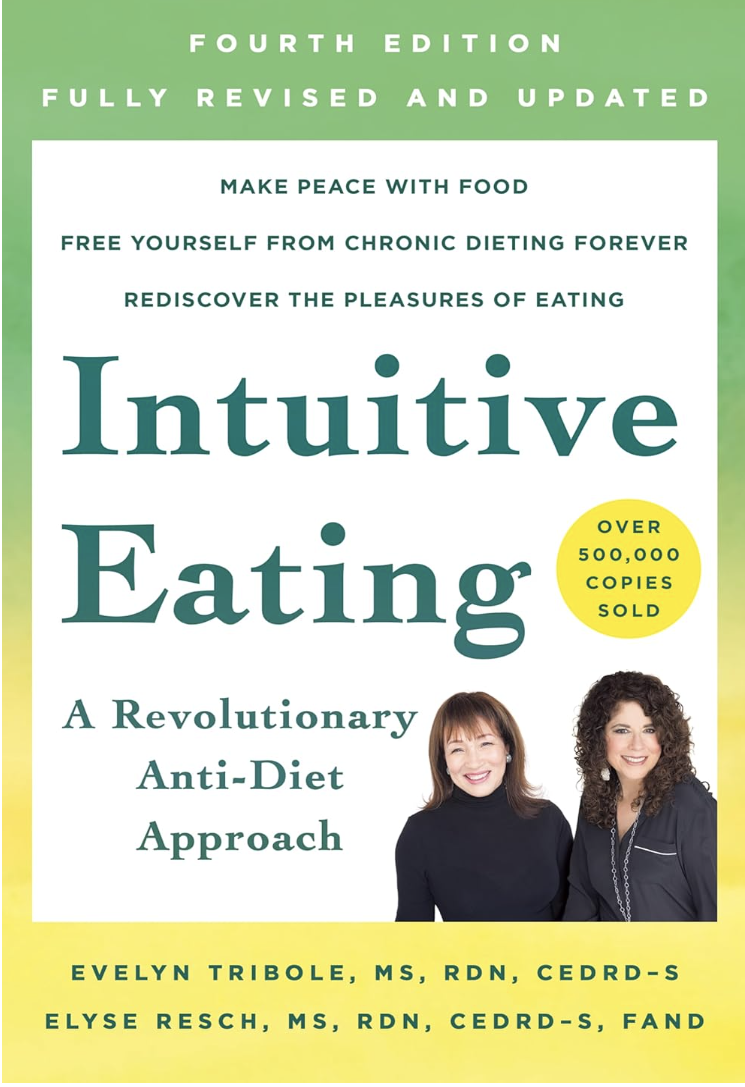
![Cover of the book titled 'Intuitive Eating: A Revolutionary Anti-Diet Approach', Fourth Edition, fully revised and updated. The cover features a green to yellow gradient background, with the title in large teal letters and a yellow circle indicating over 500,000 copies sold. There are two women smiling on the bottom right.]()
Intuitive Eating: A Revolutionary Anti-Diet Approach
-
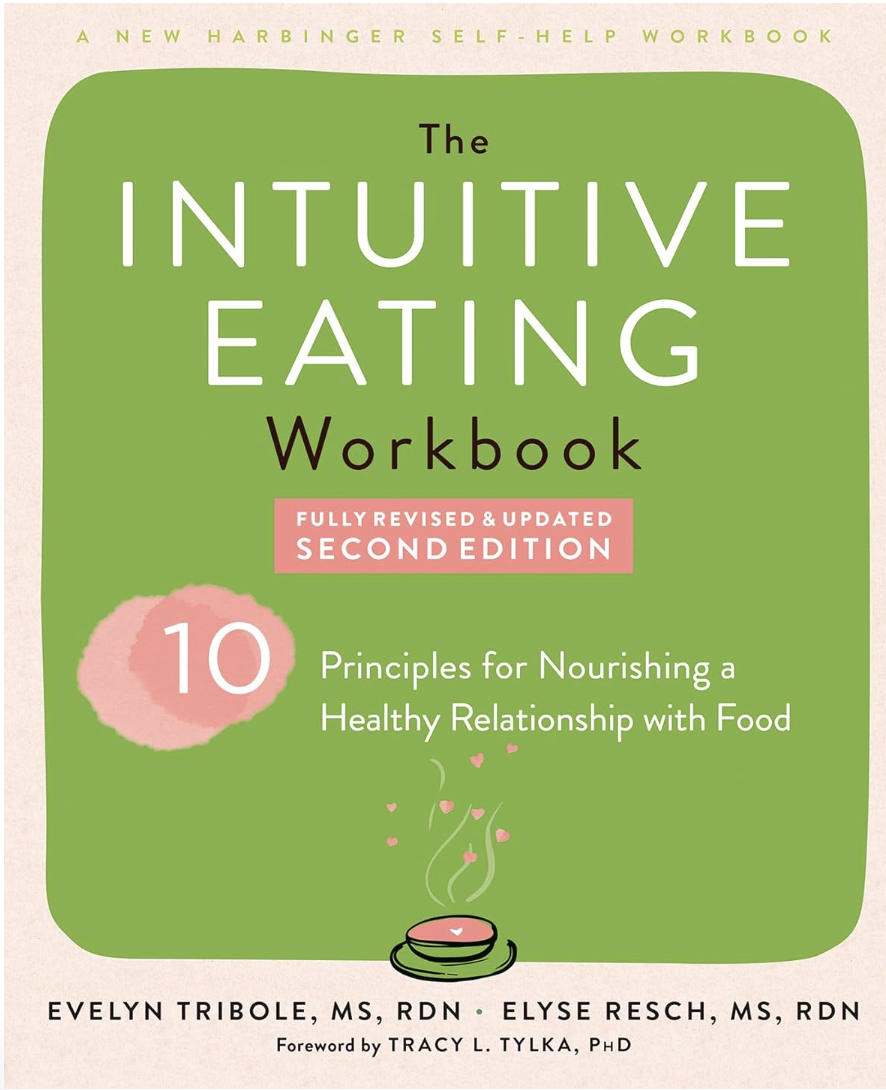
![The cover of a workbook titled 'The Intuitive Eating Workbook' with a green background, featuring a small illustration of a steaming bowl with pink hearts and steam rising from it. The cover mentions it is a revised second edition with principles for nourishing a healthy relationship with food, authored by Evelyn Tribole and Elyse Resch.]()
The Intuitive Eating Workbook: Ten Principles for Nourishing a Healthy Relationship with Food
-
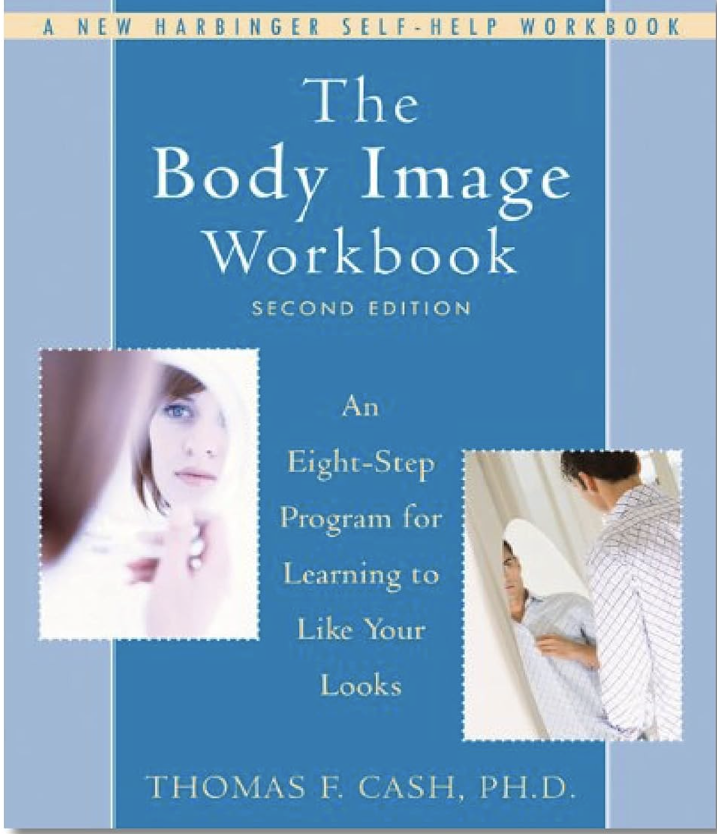
![Cover of The Body Image Workbook, second edition, by Thomas F. Cash, showing images of a woman looking into a mirror and a person with a mirror and a woman looking at her reflection.]()
The Body Image Workbook: An Eight-Step Program for Learning to Like Your Looks
-
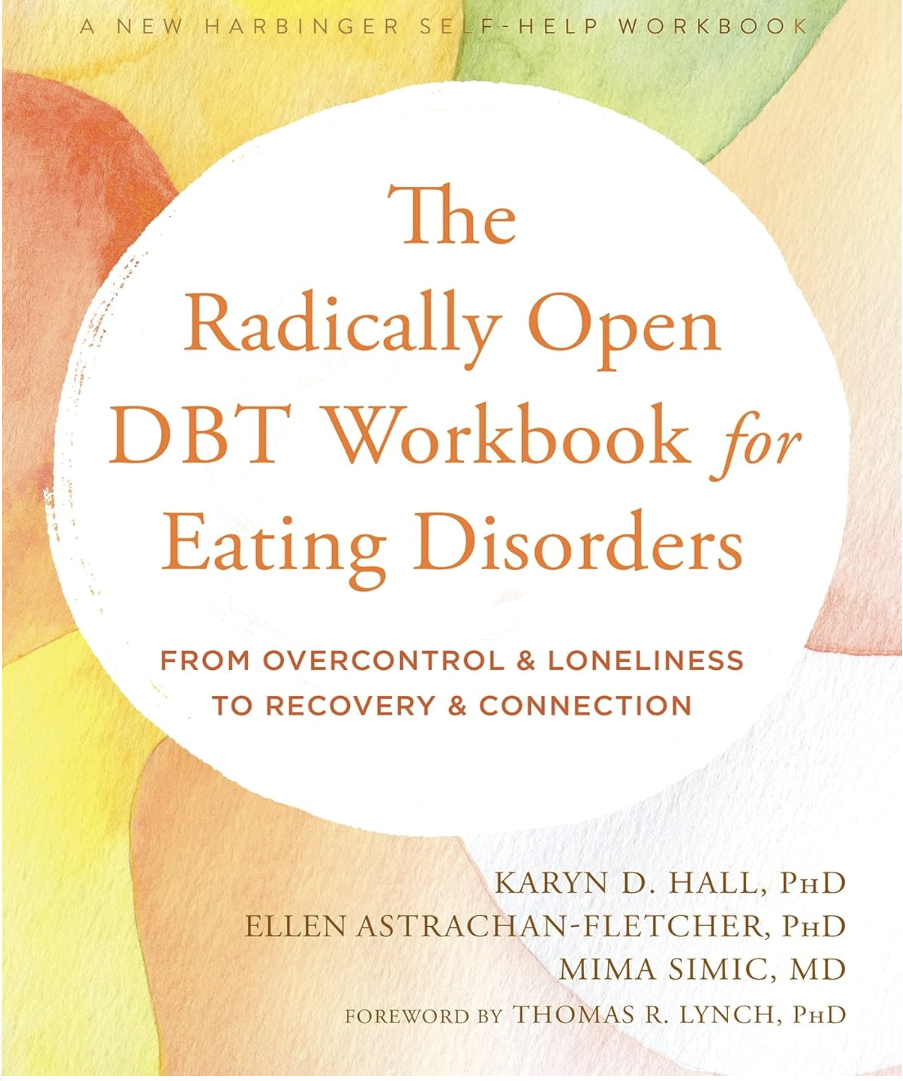
![Cover of a workbook titled 'The Radically Open DBT Workbook for Eating Disorders,' with pastel watercolor background and orange text.]()
The Radically Open DBT Workbook for Eating Disorders: From Overcontrol and Loneliness to Recovery and Connection
-
![Cover of a book titled "More Than a Body" by Lindsay Kite PhD and Lexie Kite PhD. The subtitle reads "Your Body Is an Instrument, Not an Ornament." The cover has abstract pastel pink and purple brushstrokes.]()
More Than A Body
-
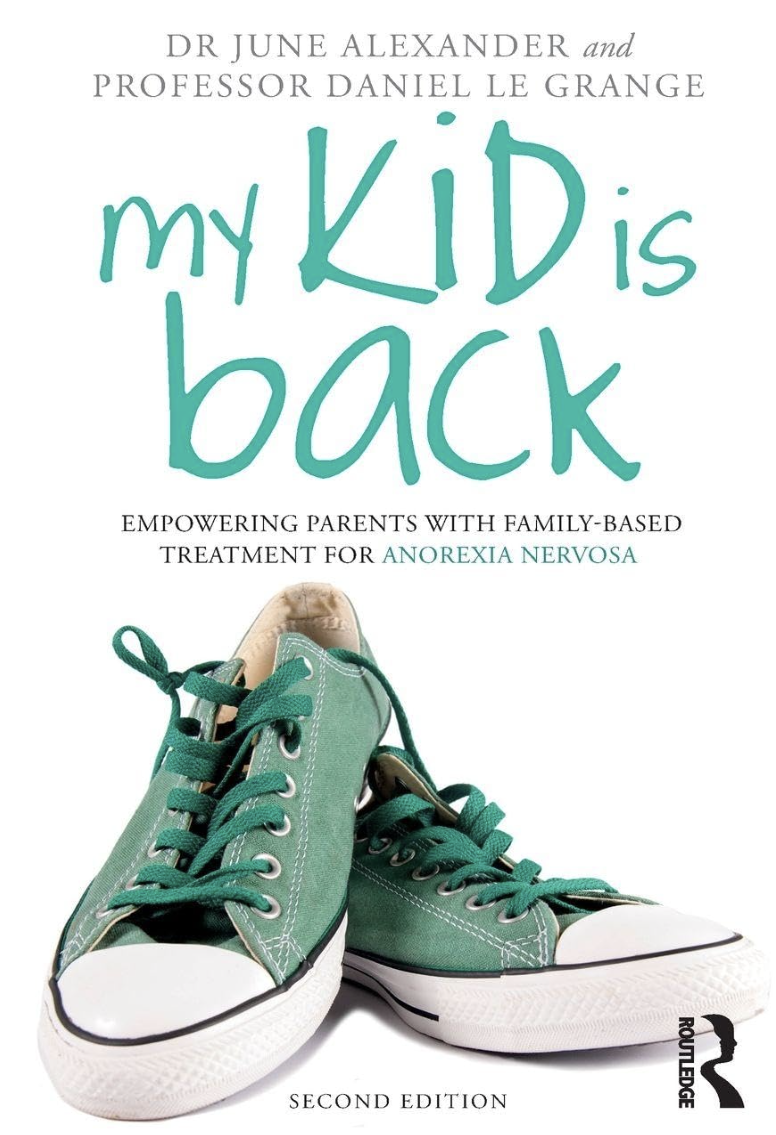
![Book cover titled 'My Kid Is Back' by Dr. June Alexander and Professor Daniel Le Grange, with a subtitle about empowering parents in family-based treatment for anorexia nervosa. The cover features a pair of teal sneakers and the Routledge logo.]()
My Kid is Back: Empowering Parents with Family-Based Treatment for Anorexia Nervosa
-
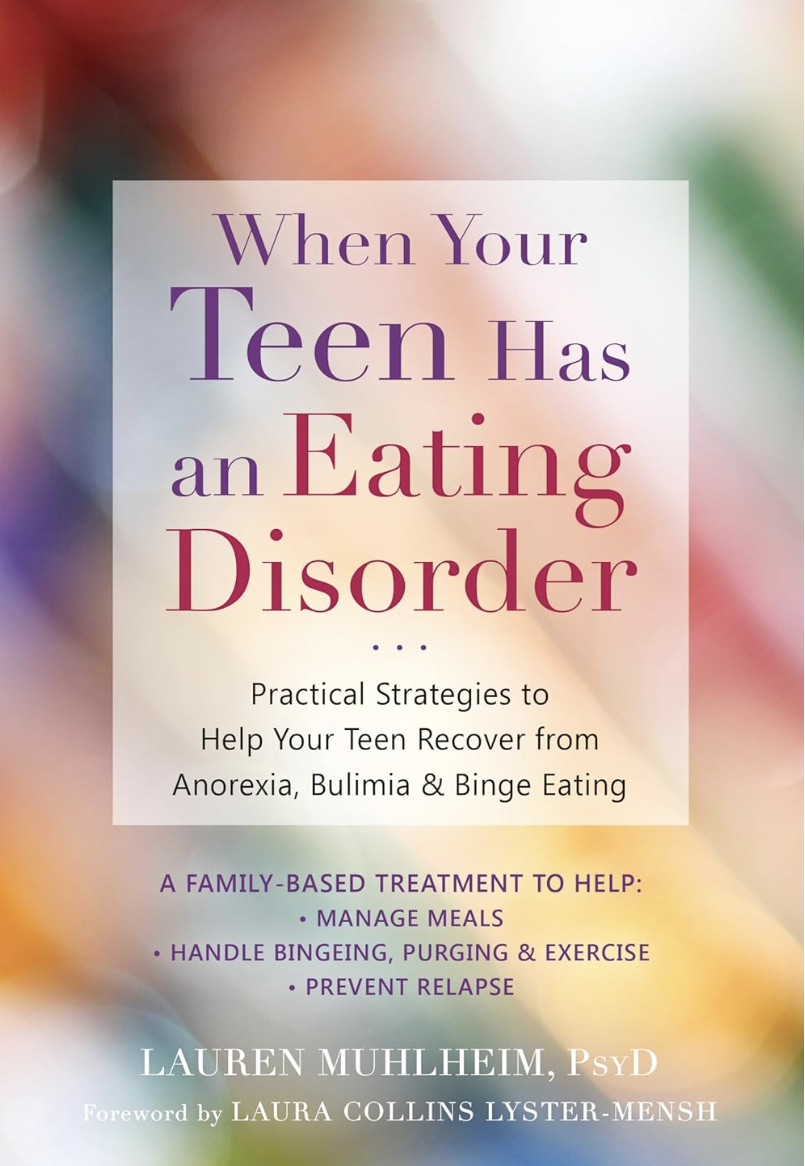
![Book cover titled "When Your Teen Has an Eating Disorder" by Lauren Muhleim, PsyD, with a background of blurred pastel colors.]()
When Your Teen Has an Eating Disorder: Practical Strategies to Help Your Teen Recover from Anorexia, Bulimia, and Binge Eating
-
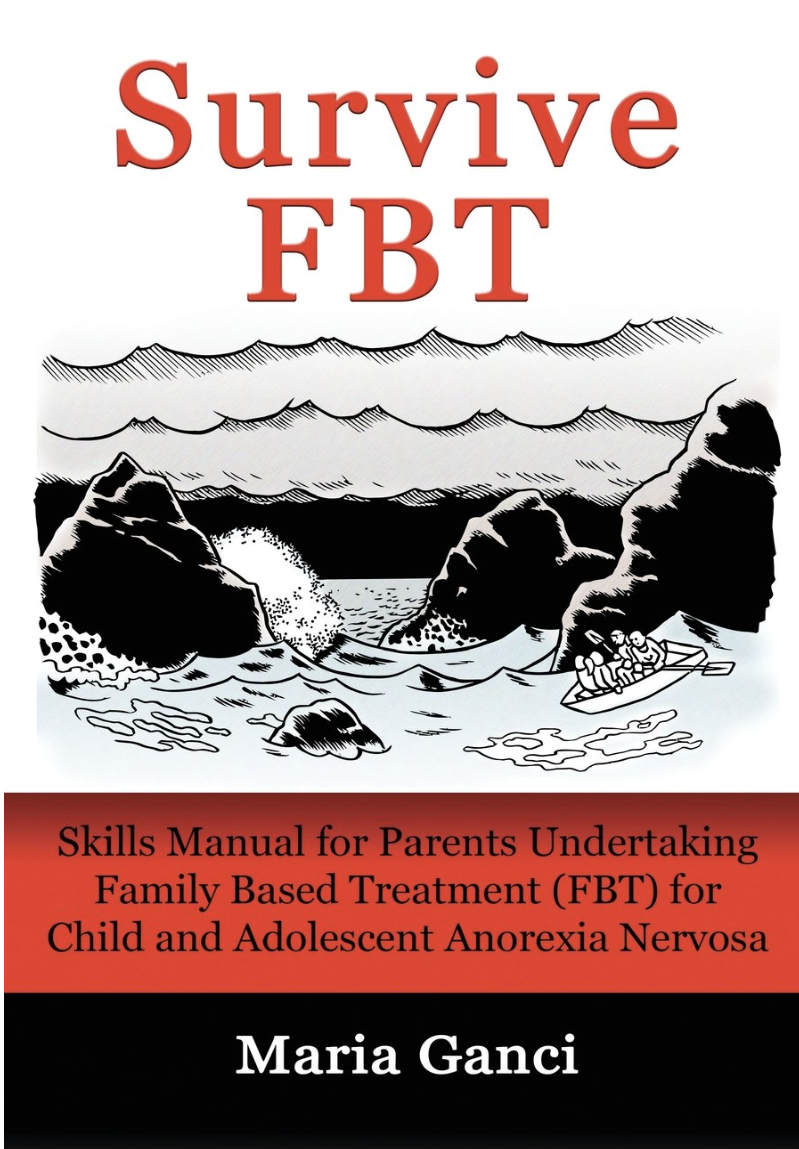
![Book cover titled 'Survive FBT' with an illustration of a boat navigating rough waters among rocks. Red and black text on white background.]()
Survive FBT: Skills Manual for Parents Undertaking Family Based Treatment (FBT) for Child and Adolescent Anorexia Nervosa
-
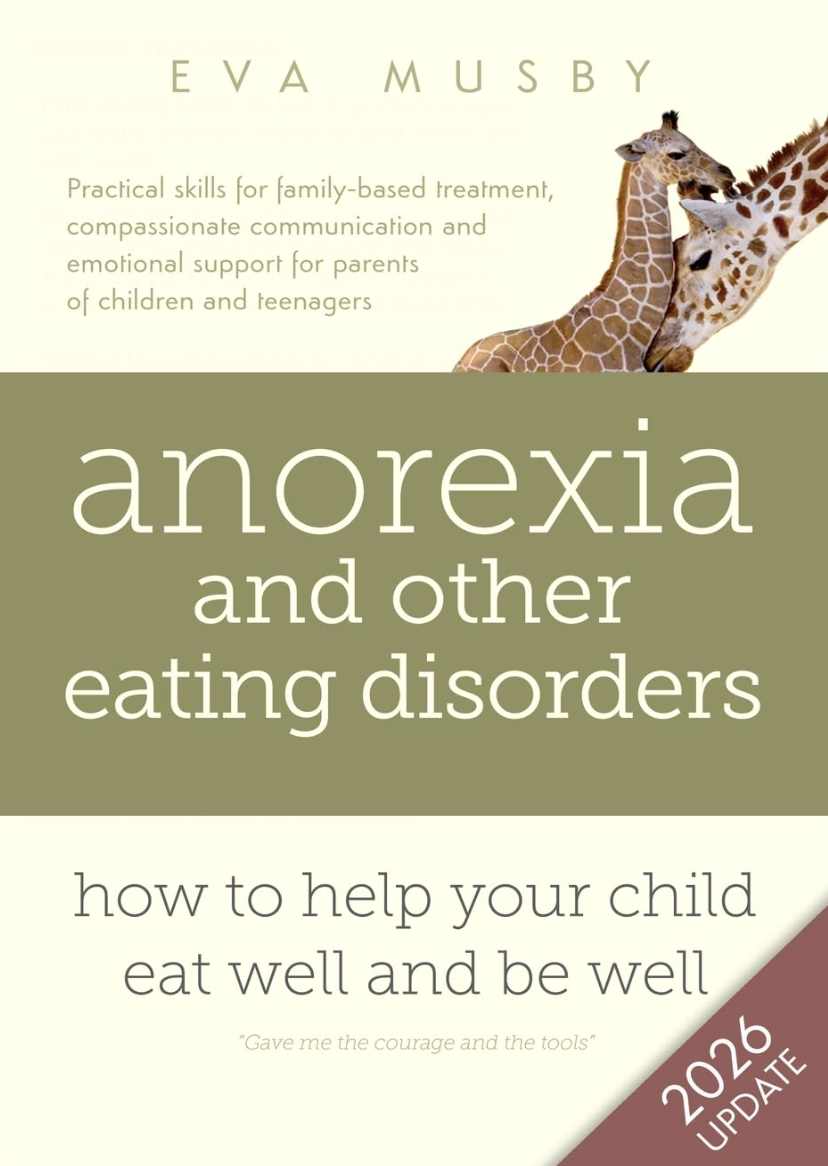
![Book cover titled 'Anorexia and other eating disorders' by Eva Musby, featuring two giraffes, with subtitle 'Practical skills for family-based treatment, compassionate communication and emotional support for parents of children and teenagers' and a note 'how to help your child eat well and be well'.]()
Anorexia and other Eating Disorders: How to Help Your Child Eat Well and Be Well: Practical Solutions, Compassionate Communication Tools and Emotional Support for Parents of Children and Teenagers
-
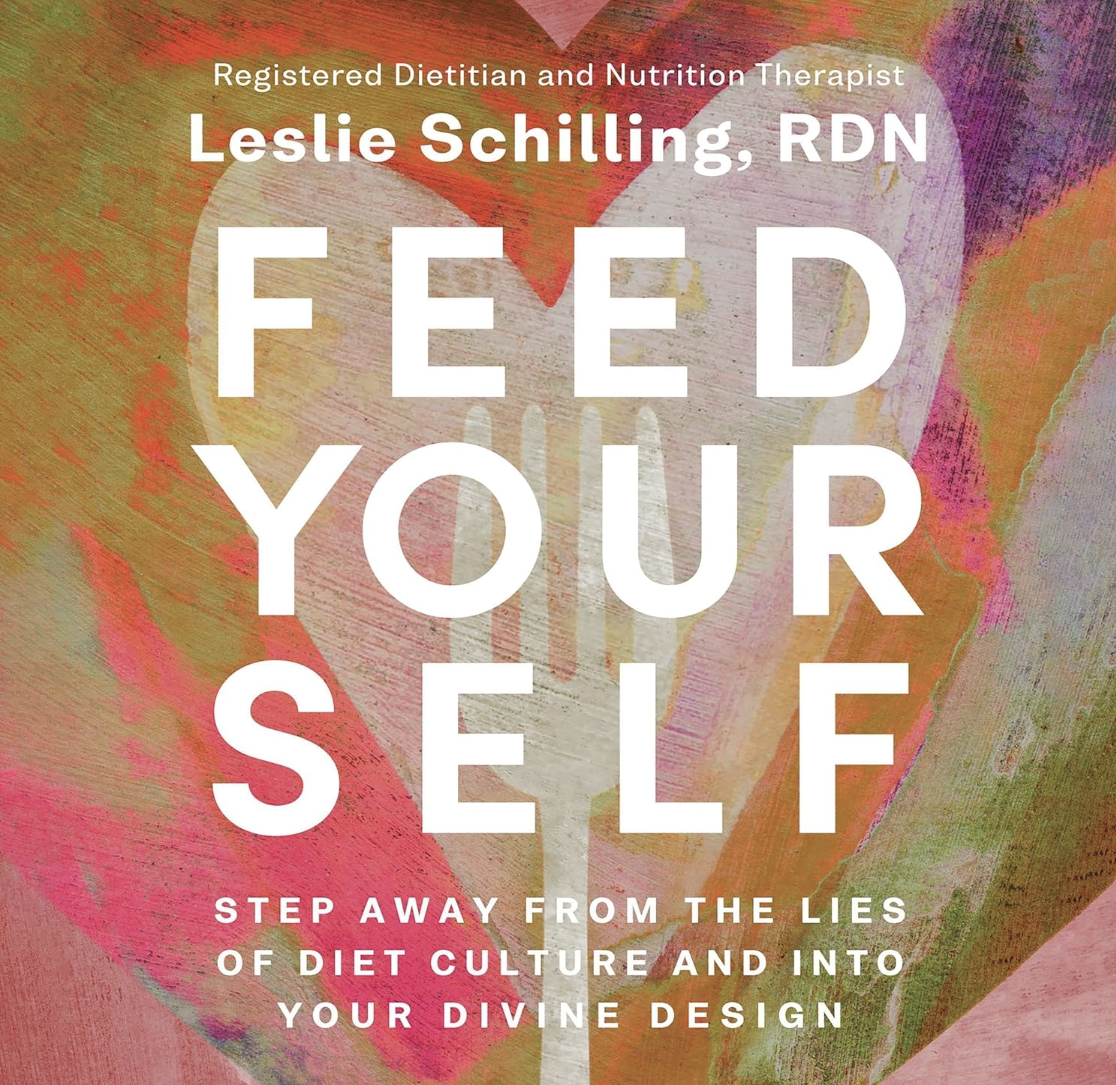
![Book cover with large white text saying "Feed Your Self" and a colorful heart in the background. Smaller text at the top reads "Registered Dietitian and Nutrition Therapist Leslie Schilling, RDN". Bottom text says "Step away from the lies of diet culture and into your divine design."]()
Feed Yourself: Step Away from the Lies of Diet Culture and into Your Divine Design
-
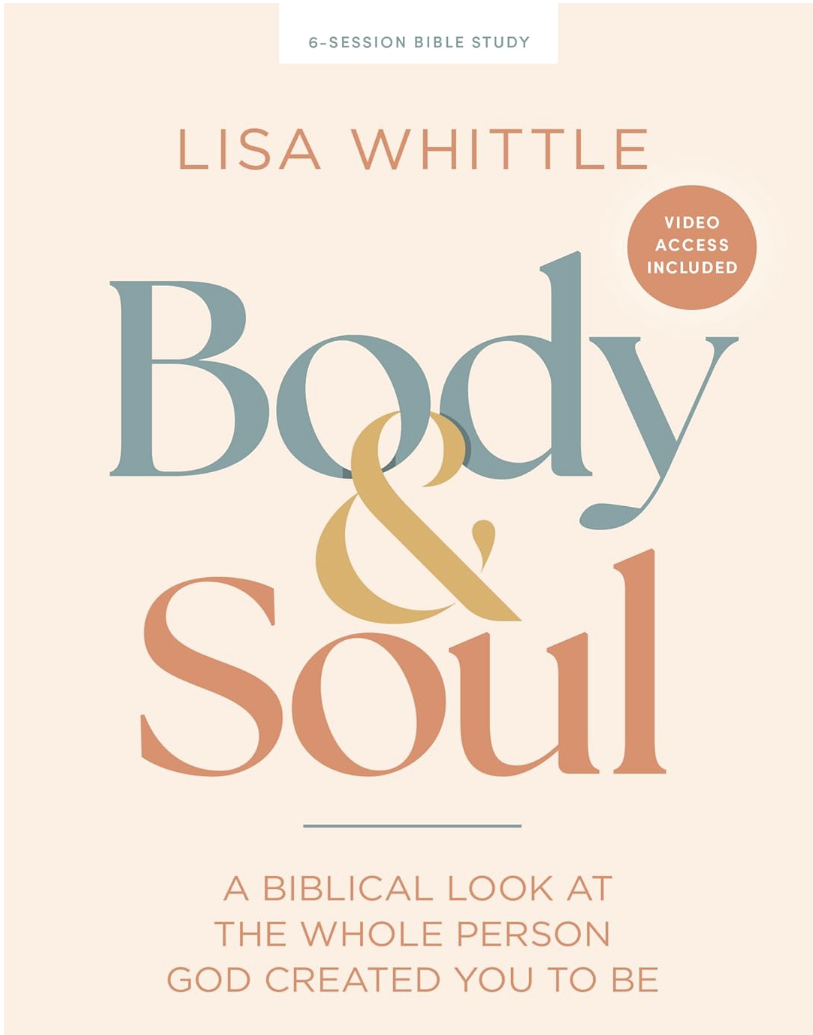
![Book cover titled 'Body & Soul' by Lisa Whittle, with a subtitle 'A biblical look at the whole person God created you to be', and a note that video access is included.]()
Body and Soul - Bible Study for Women with Video Access: A Biblical Look at the Whole Person God Created You to Be
-
![Logo with a heart outline, a circle with a fork and knife inside, and the word F.E.A.S.T.]()
F.E.A.S.T. (Families Empowered and Supporting Treatment of Eating Disorders) – A Global Organization Which is Dedicated to Providing Support to Parents/Carers of Individuals with Eating Disorders
-
![Logo of the National Eating Disorders Association, featuring a stylized green leaf with a blue flame, and the text "NEDA" and "National Eating Disorders Association".]()
National Eating Disorders Association (NEDA) - Provides Information and Support to Patients and Carers
-
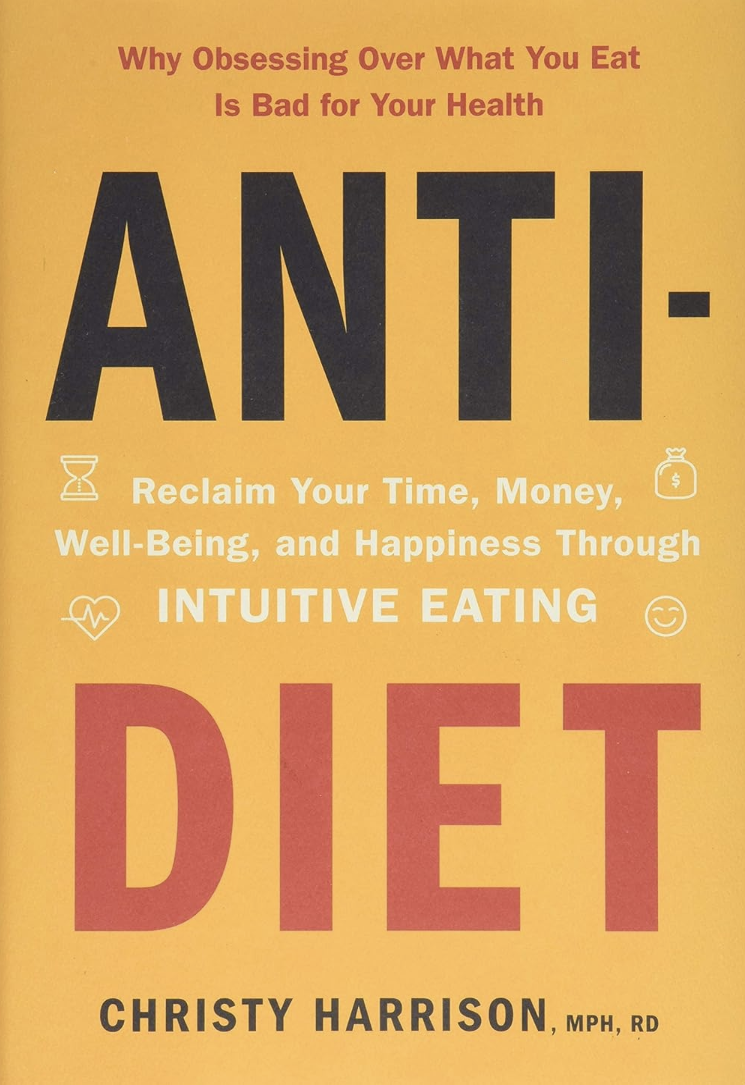
![Book cover titled "Anti-Diet" by Christy Harrison. The subtitle reads "Reclaim Your Time, Money, Well-Being, and Happiness Through Intuitive Eating." The background is yellow, with large black and red text, and small icons representing health, money, time, and happiness.]()
Anti-Diet: Reclaim Your Time, Money, Well-Being, and Happiness Through Intuitive Eating
-
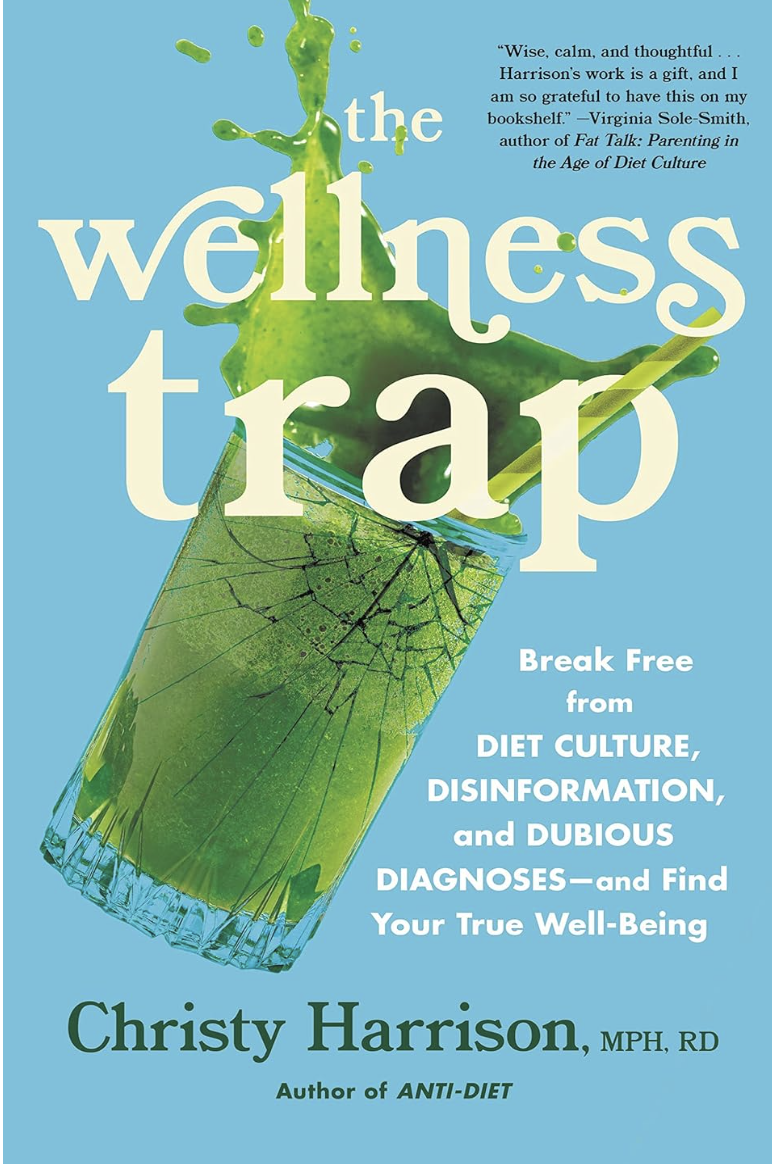
![Book cover titled "The Wellness Trap" by Christy Harrison with a blue background, green juice with a cracked glass, and a straw.]()
The Wellness Trap: Break Free from Diet Culture, Disinformation, and Dubious Diagnoses, and Find Your True Well-Being
-
![Book cover titled "Feed My Soul" with an illustration of olive branches with black and purple olives and green leaves. Subtitle reads "Finding True Peace with Food, Movement, Rest, and Body Image" by Kristen Bunger.]()
Feed My Soul: Finding True Peace with Food, Movement, Rest, and Body Image
-
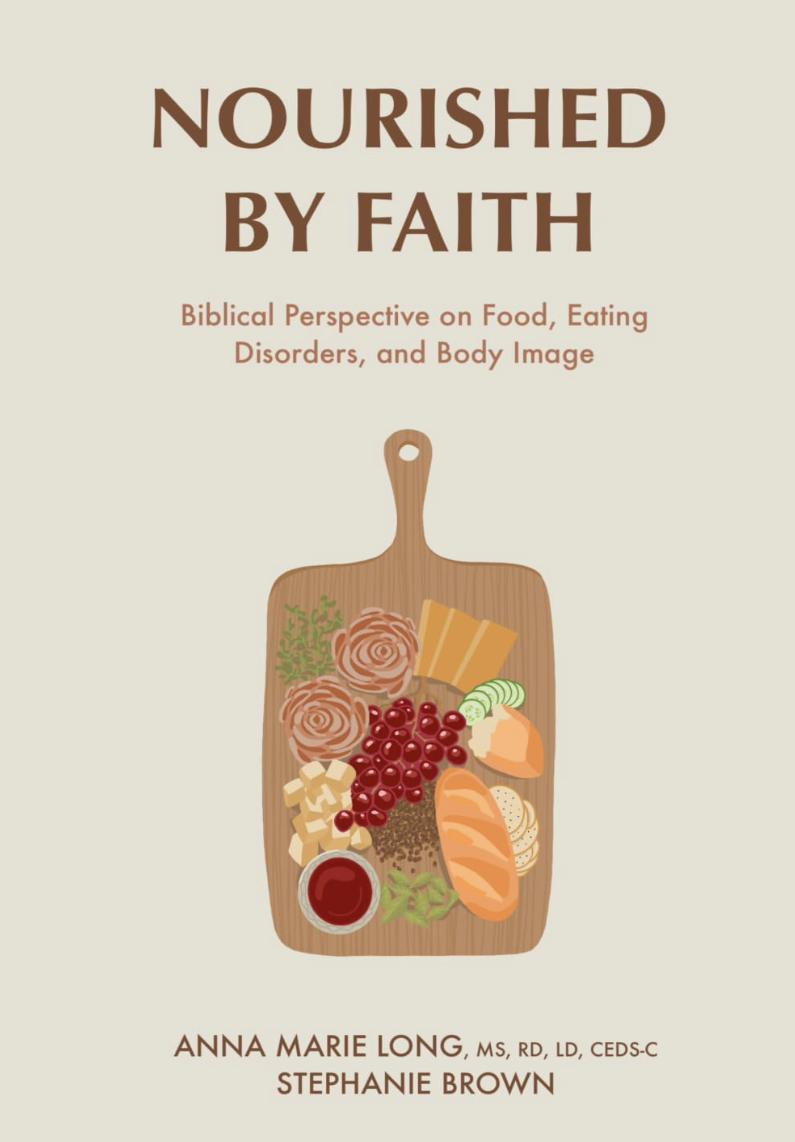
![Book cover titled "NOURISHED BY FAITH: Biblical Perspective on Food, Eating Disorders, and Body Image" featuring a wooden cutting board with various foods like salmon, grapes, cheese, and sliced vegetables.]()
Nourished by Faith: Biblical Perspective on Food, Eating Disorders, and Body Image
-
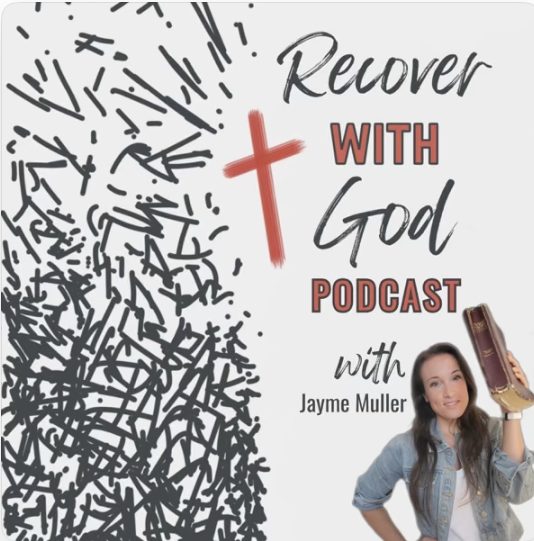
![Graphic promoting the 'Recover with God' podcast hosted by Jayme Muller, featuring a bold red cross, handwritten style text, and a woman holding a Bible.]()
Podcast: Recover with God
-
![The image features a smiling woman with long brown hair sitting at a kitchen counter. There are colorful vegetables, including bell peppers and tomatoes, on the counter in front of her. The background shows a white kitchen with some decorative items. The text on the image reads "Faith-Filled Food Freedom" and provides the name "Brittany Braswell, RD." It also includes a subtitle that says "Overcome food & body obsession with faith-fueled strategies."]()
Podcast: Faith Filled Food Freedom with Brittany Braswell, RD
-
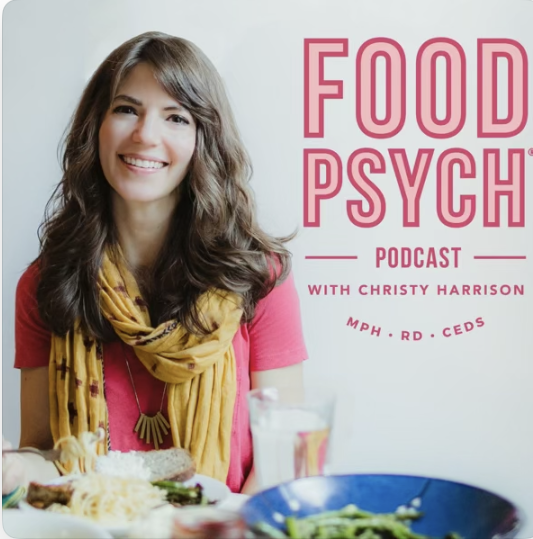
![Smiling woman in pink shirt with yellow scarf, sitting at table with food, next to text 'Food Psychology Podcast with Christy Harrison MPH, RD, CEDS' on white background.]()
Podcast: Food Psych with Christy Harrison
-
![Illustration of an apple and a pear with the words 'Maintenance Phase' above them.]()
Podcast: Maintenance Phase - Michael Hobbes and Aubrey Gordon debunk the junk science behind health and wellness fads




What People Are Saying