Ezer Psychotherapy, PLLC Blog
Virtual Therapy for children, adolescents, and young adults in Minnesota, Wisconsin, North Dakota, and Florida
Welcome to the Ezer Psychotherapy Blog!

The Ezer Psychotherapy Blog is a resource for individuals, parents, and families seeking trustworthy information about mental health, eating disorder recovery, and emotional well-being. Here, you’ll find thoughtful articles written by licensed therapist Hallie Orton, offering practical guidance, clinical insight, and compassionate encouragement for navigating life’s challenges.
At Ezer Psychotherapy, we specialize in supporting children, adolescents, young adults, and families facing concerns such as eating disorders, anxiety, depression, trauma, functional neurologic disorder, and the emotional impact of medical conditions. Our blog is designed to extend that support beyond therapy sessions by providing helpful tools, education, and evidence-based strategies you can use in everyday life.
You’ll find articles covering topics such as:
Eating disorder recovery and family support
Parenting guidance for teens and young adults
Mental health education and coping strategies
Functional Neurologic Disorder (FND) and related conditions
Anxiety, trauma, and emotional resilience
Faith-integrated mental health perspectives
Whether you’re a parent supporting a child, a young adult navigating life transitions, or someone seeking clarity about mental health, our goal is to provide clear, compassionate, and clinically grounded information that helps you feel less alone and more empowered.
Healing and growth are possible. We hope these articles offer insight, encouragement, and practical support as you move toward a healthier and more fulfilling life.

Starting Family-Based Treatment (FBT) for an Eating Disorder: What Parents Need to Know
Family-Based Treatment (FBT) is an evidence-based eating-disorder treatment that empowers parents and caregivers to actively help a child or adolescent interrupt eating-disorder behaviors, restore nutrition when needed, and gradually return age-appropriate independence as recovery progresses.

Does My Child Have an Eating Disorder? Signs to Watch For and How FBT Can Help
Maybe your child has started skipping meals. Foods they once enjoyed now cause arguments. Exercise seems less like something they enjoy and more like something they cannot miss.
Or perhaps your child has always been a selective eater, but their list of accepted foods keeps shrinking.
You may find yourself wondering: “Does my child have an eating disorder, or is this a phase?”
An eating disorder may be present when eating patterns, food avoidance, or concerns about weight and shape begin affecting your child’s health or daily life. Your child does not have to look underweight to need help. A professional assessment can clarify what is happening and what support is appropriate (Hornberger & Lane, 2021; National Institute of Mental Health [NIMH], 2024).
You do not need to figure out the diagnosis before reaching out. You can start with what you have noticed—and the concern that something has changed.

Emotion-Focused Family Therapy for Eating Disorders: How Ezer Psychotherapy Uses EFFT Alongside FBT
When a child, teenager, or young adult has an eating disorder, families are often asked to play an essential role in recovery. Parents may need to support meals, interrupt eating disorder behaviors, tolerate intense distress, and make difficult decisions—all while trying to protect their relationship with the person they love.

Why Does Eating Disorder Recovery Feel So Hard? Why Things Can Feel Worse Before They Feel Better
Why can eating disorder recovery feel worse before it feels better? Learn why food anxiety, body image distress, and eating disorder thoughts may intensify during treatment—and what can help.

Picky Eating vs. ARFID: How to Tell the Difference and When to Seek Help
Many children have strong food preferences. They may refuse vegetables, eat the same foods repeatedly, dislike foods with certain textures, or hesitate to try anything unfamiliar. For many families, this is simply picky eating.
For others, however, food restriction becomes severe enough to interfere with nutrition, growth, physical health, emotional well-being, or everyday life. In these cases, Avoidant/Restrictive Food Intake Disorder (ARFID) may need to be considered.
Although picky eating and ARFID can look similar, they are not the same. Understanding the difference can help parents and individuals recognize when selective eating may require professional treatment.

Virtual Eating Disorder Treatment for Children, Teens, and Young Adults: How Online Therapy Can Help Families Heal
Learn how virtual eating disorder treatment can help children, teens, young adults, and families access evidence-based care from home. Explore Ezer Psychotherapy’s interactive, family-centered approach.

Family-Based Treatment During the School Year: A Practical Guide for Parents
Starting Family-Based Treatment while a child or teenager is attending school can feel overwhelming.
Parents may wonder:
Who will supervise lunch?
Will my child need to miss class?
What should we tell the school?
How can we manage therapy, medical appointments, meals, homework, and activities?
Would it be easier to wait until summer?
Although treatment may disrupt familiar routines, an eating disorder should not be placed on hold for the school calendar. Early intervention matters, and delaying care can allow restrictive eating, bingeing, purging, compulsive exercise, and other eating disorder behaviors to become more established (Hornberger & Lane, 2021; Golden et al., 2022).
Family-Based Treatment, commonly called FBT, is an outpatient eating disorder treatment in which caregivers play an active role in helping their child recover. FBT has the strongest evidence base among outpatient psychological treatments for adolescents with anorexia nervosa and is also supported for adolescents with bulimia nervosa (Austin et al., 2024; Le Grange et al., 2015).
With a clear plan and appropriate support, families can often make FBT work during the academic year.

Back to School With an Eating Disorder: A Guide for Parents
Sending a child back to school while they are receiving treatment for an eating disorder can create understandable anxiety. Parents may be concerned about missed meals, academic pressure, social comparisons, physical education, sports, bathroom access, and conversations about weight or dieting.
Although returning to a familiar routine can be beneficial, school should not interfere with medical stabilization, nutritional rehabilitation, or psychological treatment. A successful return requires an individualized plan developed with the child’s treatment team and school personnel.

Goal Weights, Growth Charts, and Why Weight Restoration Matters in Eating Disorder Recovery
When a child or adolescent is being treated for an eating disorder, few topics create as much anxiety as goal weight.
Parents may wonder:
How is a goal weight determined?
Why can’t treatment stop once vital signs improve?
What if my child is already in a “normal” weight range?
Why does my child seem more rigid or distressed during early recovery?
Will clearer thinking return with nutrition and weight restoration?
These are important questions.
Weight restoration is not simply about reaching a number on a scale. It is the process of providing enough consistent nutrition to support the brain, heart, hormones, bones, growth, development, emotional regulation, and the ability to participate meaningfully in therapy.

Supporting a Child With ARFID: How to Make Food Exposures Safer and More Effective
When a child has avoidant/restrictive food intake disorder, commonly called ARFID, everyday meals can become a significant source of anxiety for the entire family.
Parents may spend hours planning meals, searching for foods their child will tolerate, preparing separate dishes, and worrying about whether their child is getting enough nutrition. Attempts to introduce a new food may lead to crying, gagging, panic, arguments, or complete refusal.
It is understandable for parents to feel frustrated, frightened, or unsure of what to do next. However, ARFID is not simply stubbornness, defiance, or ordinary picky eating. Children with ARFID may experience food as genuinely overwhelming, unpleasant, frightening, or physically uncomfortable.
Food exposures can be an important component of ARFID treatment. The goal is not to force a child to eat. Instead, exposure helps the child gradually build tolerance, flexibility, confidence, and new learning around food.

My Loved One Has an Eating Disorder but Refuses Treatment. What Should I Do?
When someone with an eating disorder refuses treatment, families often feel frightened and powerless. Learn how to approach the conversation, identify urgent warning signs, avoid reinforcing the illness, and take practical steps toward professional support.

Anosognosia in Eating Disorders: When Someone Cannot Recognize How Sick They Are
When someone with an eating disorder insists they are not sick, the response may reflect more than stubbornness or denial. Impaired insight—sometimes described as anosognosia—can affect how the brain interprets illness, body signals, and medical risk.

How to Support Someone With PNES: What to Do During and After a Functional Seizure
When someone you care about has psychogenic nonepileptic seizures, knowing how to respond can reduce fear, prevent injury, and support recovery. Learn what to do during an episode, what to avoid, and how to help without reinforcing disability.

Eating Disorders and OCD: Understanding the Connection, Symptoms, and Treatment
Eating disorders and obsessive-compulsive disorder, commonly called OCD, are separate mental health conditions. However, they often overlap in ways that can make symptoms difficult for individuals, families, and even clinicians to distinguish.
A child, teenager, or young adult may become highly rigid about meals, repeat certain movements while eating, check nutrition labels excessively, avoid foods that feel contaminated, or experience intense distress when routines change. Some of these behaviors may be driven primarily by an eating disorder. Others may reflect OCD. In some cases, both conditions are present.
Understanding what is driving the behavior matters because eating disorders and OCD require specialized—but sometimes coordinated—treatment.

Returning to Sport After an Eating Disorder: A Safe, Gradual Path Back for Athletes
For many athletes, sport is more than exercise. It can be a source of identity, friendship, structure, confidence, and belonging. When an eating disorder requires an athlete to reduce or temporarily stop training, the loss can feel overwhelming.
Athletes and families often ask:
When can I return to my sport?
Do I have to be completely recovered first?
How do we know whether exercise is medically safe?
What if returning to practice triggers eating-disorder thoughts?
Who should make the final decision?
There is no single timeline that applies to every athlete. Returning to sport after an eating disorder should be an individualized, gradual process based on medical stability, nutritional recovery, psychological readiness, injury risk, and the demands of the athlete’s specific sport.
The goal is not simply to get an athlete back into competition as quickly as possible. The goal is to help the athlete return in a way that protects long-term health, supports recovery, and allows sport to become sustainable again.
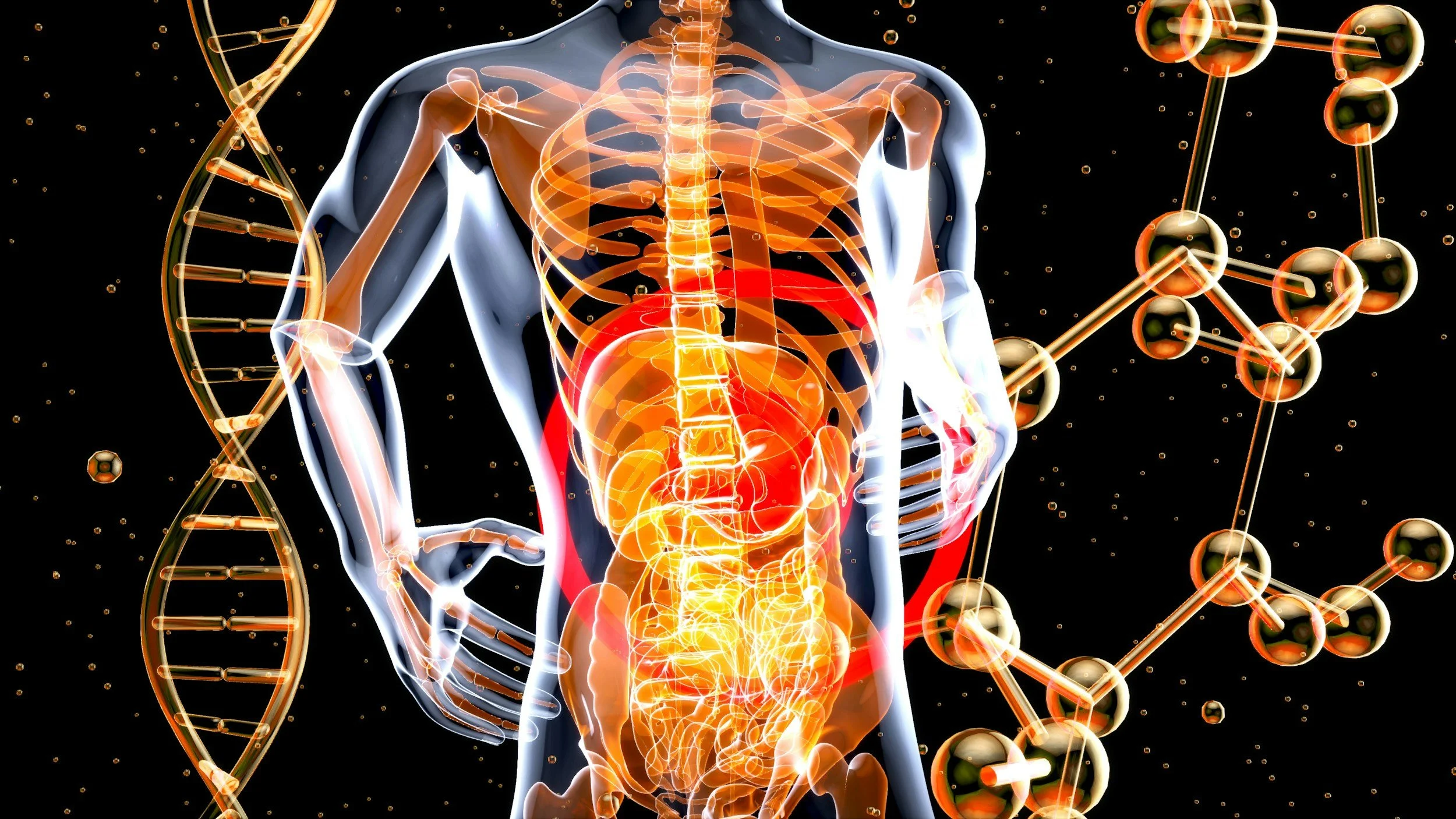
Hypermetabolism During Eating Disorder Recovery: Why the Body May Need More Nutrition During Refeeding
People recovering from an eating disorder sometimes notice something confusing: even after they begin eating more consistently, gaining weight may remain difficult or their rate of weight gain may slow.
This experience is often described as hypermetabolism—the idea that the body begins burning energy unusually quickly during refeeding. However, the scientific evidence is more nuanced.
Research consistently shows that metabolism changes during nutritional rehabilitation. Resting energy expenditure usually increases as the body emerges from starvation, repairs damaged tissues, restores organ function, and rebuilds lean body mass. A major 2024 review found that energy expenditure increased in most studies of people undergoing weight restoration, but generally returned toward an expected range rather than rising into a clearly hypermetabolic state (Reed et al., 2024).
In other words, increased nutritional needs during recovery are real. However, they may reflect a combination of normal metabolic recovery, physical repair, activity, incomplete intake, and individual variation—not necessarily a permanently “fast” or damaged metabolism.

What Medical Monitoring Is Needed During Eating Disorder Recovery?
Eating disorders can cause serious medical complications even when someone does not “look sick” or is not underweight. Adolescents and young adults with atypical anorexia, ARFID, bulimia, purging behaviors, or rapid weight loss may still experience bradycardia, orthostatic instability, electrolyte abnormalities, dehydration, delayed growth, menstrual changes, and cardiac risk (Society for Adolescent Health and Medicine [SAHM], 2022; NICE, 2020).
Medical monitoring is especially important when someone is beginning nutrition rehabilitation, increasing food intake, reducing purging, stopping laxatives or diuretics, or returning to activity. Recovery is not only about eating more; it is about restoring physical stability, growth, development, and overall functioning.

Why Siblings Matter in Family-Based Treatment (FBT) for Eating Disorders: Understanding Their Essential Role in Recovery
When a child develops an eating disorder, the entire family is affected—not just parents. Brothers and sisters often experience confusion, fear, frustration, guilt, and significant changes to everyday family life. For this reason, Family-Based Treatment (FBT), also known as the Maudsley Method, intentionally includes siblings whenever appropriate.
Many families wonder:
"Why does my healthy child need to attend therapy?"
"Will involving siblings make things worse?"
"Shouldn't we protect them from all of this?"
These are understandable questions.
Research consistently demonstrates that eating disorders are family illnesses—not because families cause them, but because they impact every member of the household (Lock & Le Grange, 2015). Involving siblings thoughtfully can improve family communication, reduce fear and misunderstanding, strengthen recovery, and ensure that siblings themselves receive the support they deserve.
At Ezer Psychotherapy, we believe siblings should never become forgotten members of the recovery team.

Why Meal Plans Are Used in Eating Disorder Treatment
Meal plans are not about dieting, punishment, or “perfect eating.” In eating disorder treatment, a meal plan is often used as a temporary recovery structure when hunger cues, fullness cues, food flexibility, and body trust have been disrupted.
For many people, the idea of a meal plan can feel scary. It may sound rigid or controlling. In reality, a recovery-focused meal plan is often designed to help someone eat enough, eat consistently, and eventually move toward food freedom.

When Is Eating Disorder Treatment Needed? Warning Signs Parents Should Not Ignore
Eating disorders can be difficult for parents to recognize. Many children, adolescents, and young adults do not directly say, “I need help.” Instead, parents may notice skipped meals, new food rules, increased anxiety around eating, excessive exercise, or a child who seems increasingly preoccupied with weight, body image, or “healthy” eating.
Eating disorders are serious mental and medical conditions that can affect physical health, emotional wellbeing, growth, development, and family life (Hornberger & Lane, 2021). They can occur across body sizes, genders, ages, and backgrounds, and a person does not need to appear underweight to be struggling (American Psychiatric Association, n.d.).