Anxiety & Depression Treatment for Children, Teens, & Young Adults

Specialized, Compassionate Treatment – Available in MN, WI, ND & FL (Virtual)
Feel like your mind never slows down—or that everything feels heavy and overwhelming? You’re not alone.
At Ezer Psychotherapy, we specialize in helping children, adolescents, and young adults break free from anxiety and depression with compassionate, evidence-based therapy—all from the comfort of home.
What Is an Anxiety Disorder?
Anxiety is a natural response to stress—but when it becomes persistent, intense, or overwhelming, it may develop into an anxiety disorder.
Anxiety disorders can impact:
Thoughts (constant worry, racing mind)
Emotions (fear, irritability, overwhelm)
Behaviors (avoidance, withdrawal, perfectionism)
Physical health (headaches, stomachaches, fatigue, sleep issues)
Without treatment, anxiety can interfere with school, work, relationships, and daily functioning—but with the right therapy, recovery is absolutely possible.
What is Depression
Depression isn’t just sadness—it affects how someone thinks, feels, and functions day-to-day.
Common symptoms of depression:
Persistent sadness or emotional numbness
Loss of interest in activities once enjoyed
Low energy or motivation
Changes in sleep or appetite
Difficulty concentrating
Feelings of worthlessness or hopelessness
In children and teens, depression often shows up as irritability, withdrawal, or declining performance—not just sadness.
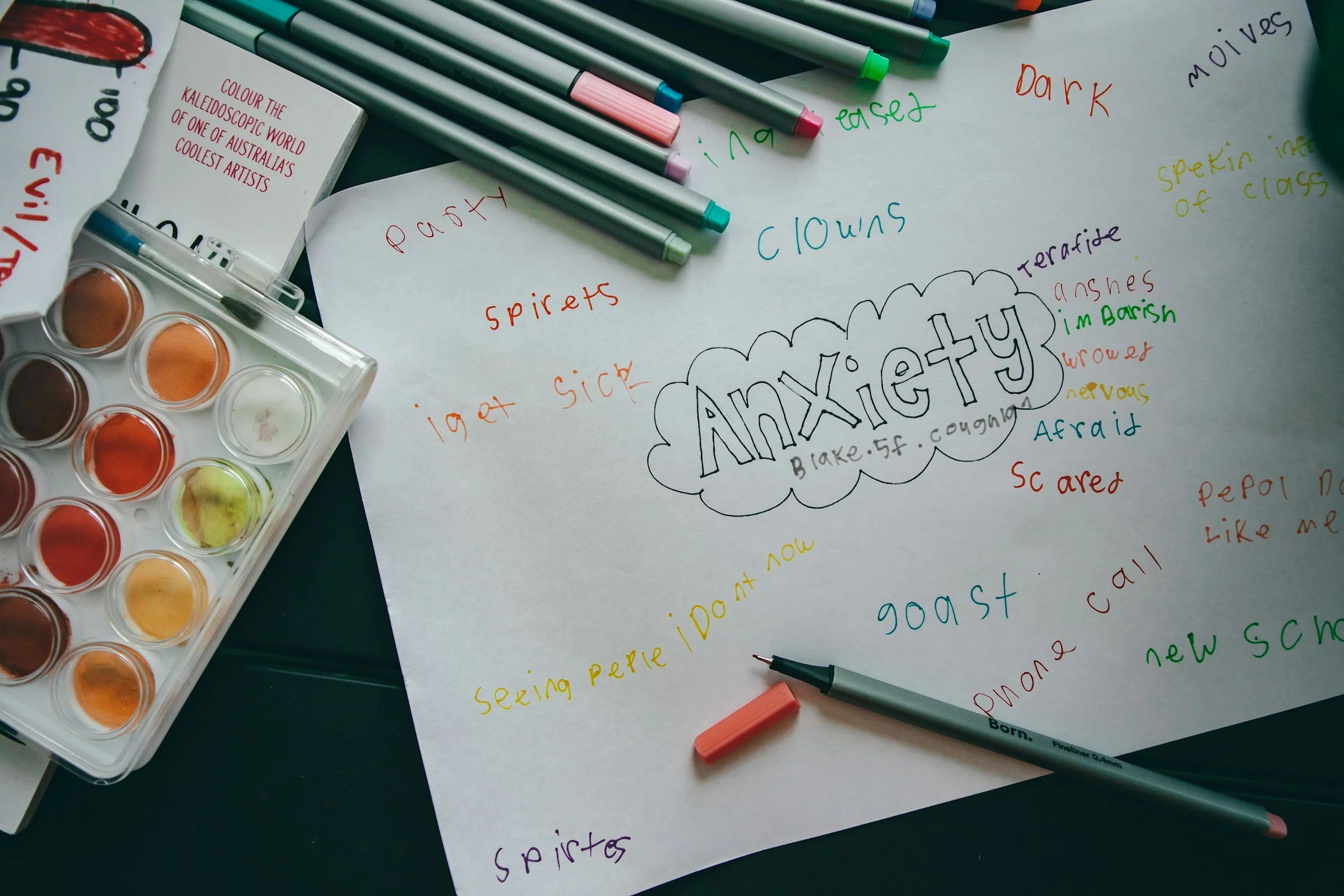
Signs You or Your Child or Teen May Be Struggling with Anxiety
Frequent worry or “what if” thinking
Panic attacks or sudden intense fear
Avoiding school, activities, or social situations
Difficulty sleeping or concentrating
Irritability or emotional outbursts
Physical complaints without clear medical cause
Perfectionism or fear of making mistakes
If you’re noticing these signs, therapy can help your child regain confidence and stability.
Many high-achieving kids, teens, and adults experience “high-functioning anxiety”—appearing successful while struggling internally.
Signs of Depression in Children, Teens, and Young Adults
Depression can look different depending on age—and many young people experience “high-functioning” depression, where they appear okay on the outside but struggle internally.
Common signs include:
Persistent sadness, emptiness, or irritability
Loss of interest in activities once enjoyed
Fatigue or low energy
Difficulty concentrating or making decisions
Changes in sleep (sleeping too much or too little)
Appetite changes
Feelings of worthlessness or excessive guilt
Social withdrawal or isolation
In children and teens, you may also notice:
Increased irritability or emotional outbursts
School avoidance or declining grades
Frequent physical complaints (headaches, stomachaches)
Sensitivity to criticism or failure
Recognizing these signs early can lead to faster, more effective support.

When Anxiety & Depression Become Debilitating
If anxiety or depression is interfering with daily life, relationships, school, or health, it may be time for professional support.
At Ezer Psychotherapy, we commonly help clients who:
Feel “stuck” in anxiety cycles or feel like they cant get out of bed
Experience panic attacks or shutdowns
Have anxiety linked to medical symptoms or conditions
Are struggling with school refusal or social withdrawal
Have been told “everything is normal,” but still feel very real physical symptoms such as stomachaches, headaches, fatigue, etc.
Struggle to cope with stress
Have increasing emotional or behavioral challenges
Are isolating themselves and no longer wish to engage in activities previously enjoyed

Common Anxiety & Depressive Disorders We Treat
We provide specialized treatment for:
Generalized Anxiety Disorder (GAD) — chronic, excessive worry
Social Anxiety Disorder — fear of judgment or embarrassment
Panic Disorder — sudden panic attacks and fear of recurrence
Separation Anxiety — difficulty being away from parents or caregivers
School Avoidance (School Refusal) — anxiety preventing school attendance
Health Anxiety — excessive worry about illness or symptoms
Specific Phobias — intense fear of specific objects or situations
Anxiety and/or Depression that co-occurs with an Eating Disorder
Major Depressive Disorder - lasting sadness, hopelessness, and anhedonia (loss of interest) lasting at least two weeks
Adjustment Disorder with Anxiety and/or Depression - Symptoms of anxiety and/or depression after a life change
Anxiety and/or Depression due to a Medical Condition
Our Approach to Anxiety & Depression Therapy
At Ezer Psychotherapy, we use personalized, evidence-based treatment tailored to each client’s needs and developmental stage.
Therapies We Use:
Cognitive Behavioral Therapy (CBT)
Helps identify and change anxious thinking patterns. Also helps identify and change negative thought patterns that contribute to depression.
Exposure Therapy
Gently and gradually reduces avoidance and fear.
Behavioral Activation
Encourages gradual re-engagement in meaningful activities to improve mood and motivation.
Emotion Regulation & Coping Skills
Teaches practical strategies to manage overwhelming emotions and stress.
Skills for Nervous System Regulation
Teaches your child how to calm their body and reduce physical symptoms of anxiety.
Parent Involvement & Coaching
We equip parents with tools to support progress at home and reduce anxiety-driven patterns.

What Makes Ezer Psychotherapy Different?
✔ Specialized focus on anxiety and depression in youth and young adults
✔ Evidence-based, results-driven therapy
✔ Warm, compassionate, and individualized care
✔ Parent collaboration to accelerate progress
✔ Optional faith-based (Christian) therapy integration
✔ Convenient virtual sessions
We help clients move beyond fear and avoidance—and toward confidence, independence, and resilience.
Get in Touch
Beginning therapy can feel overwhelming. My goal is to provide a supportive, nonjudgmental environment where you feel empowered throughout your therapeutic journey.
I'd welcome the chance to schedule a complimentary 15-minute phone consultation to see if we're a good fit and to answer any questions you have about the work we can do together.

Struggling to understand anxiety, depression, or how to support someone you love? Visit our blog for expert advice, real-world strategies, and support for every stage of recovery.
-
![Christian counselor
Christian therapist
faith based therapy
Christian counseling near me
Christian eating disorder therapist
Christian trauma therapy
therapy integrating faith
therapist who understands Christianity
mental health and faith
biblical]()
How to Help a Teen With Anxiety (Parent Guide)
-
![Christian counselor
Christian therapist
faith based therapy
Christian counseling near me
Christian eating disorder therapist
Christian trauma therapy
therapy integrating faith
therapist who understands Christianity
mental health and faith
biblical]()
Holding Anxiety to the Light
-
![Christian counselor
Christian therapist
faith based therapy
Christian counseling near me
Christian eating disorder therapist
Christian trauma therapy
therapy integrating faith
therapist who understands Christianity
mental health and faith
biblical]()
High-Functioning Anxiety in Children, Teens, and Young Adults: Signs, Symptoms, and Effective Treatment
-
![why do I hate my body
why am I never good enough
why do I feel guilty resting
why can’t I stop overthinking
why do I feel emotionally numb
why do I panic after eating
why do I need to be perfect
why do I overexercise
why do I feel anxious all the tim]()
High-Functioning Anxiety in High Performers: When Success Comes at a Cost
-
![A young woman sitting on a tiled floor with her back against a gray textured couch, wearing a brown beanie and an orange sweater. She appears to be deep in thought or resting, with her eyes closed and her hands on her chest. A guitar is leaning against the wall in the background, and there is a window with blinds behind her.]()
How to Tell if Anxiety Is Taking Over Your Life: 15 Signs You Shouldn’t Ignore