Eating Disorder Therapy for Children, Teens & Young Adults in Minneapolis/ St.Paul, Minnesota


Compassionate, Specialized Support for Healing Your Relationship with Food and Your Body
When a child or young person is struggling with an eating disorder, it affects everything—health, emotions, relationships, and the entire family. What may start as “picky eating,” dieting, or body image concerns can quickly become overwhelming, confusing, and frightening.
You may feel like you’re walking on eggshells.
Meals may turn into battles.
Your child may seem distant, anxious, or not like themselves anymore.
You are not alone—and effective help is available.
At Ezer Psychotherapy, we provide specialized, evidence-based therapy for eating disorders and disordered eating for children, adolescents, and young adults. Recovery is possible. With the right support, you or your loved one can build a healthier relationship with food, your body, and yourself/themself.
Signs of an Eating Disorder:
Eating disorders are complex medical and psychological conditions—not choices. They can affect individuals of any age, gender, body size, or background. Early recognition is one of the strongest predictors of successful recovery. If you notice these signs in yourself or someone you love, seeking support sooner rather than later can make all the difference.
-
Noticeable changes in weight (loss, gain, or rapid fluctuations)
Feeling dizzy, light-headed, or fainting
Fatigue or low energy
Gastrointestinal issues (bloating, constipation, stomach pain)
Feeling cold frequently or having poor circulation
Sleep disturbances
Hair thinning or loss; dry skin or brittle nails
Menstrual irregularities or loss of menstruation
Slowed heart rate, palpitations, or other medical concerns
-
Skipping meals or eating very small portions
Avoiding eating around others
Cutting out entire food groups without medical need
Excessive focus on “healthy,” “clean,” or “safe” foods
Eating in secret or hiding food
Rigid food rituals (cutting food into tiny pieces, extreme slowness, etc.)
Excessive or compulsive exercise, even when sick, injured, or exhausted
Repeated dieting or “detoxes”
Using the bathroom immediately after meals
Checking the body repeatedly in mirrors or avoiding mirrors completely
-
Intense fear of gaining weight or becoming “unhealthy”
Feeling guilt, shame, or anxiety around food
Believing you are “not sick enough” to seek help
Persistent negative thoughts about body shape or appearance
Irritability, mood swings, or withdrawal from relationships
Difficulty concentrating or feeling “foggy”
Strong need for control or perfectionism
Comparing your body or eating to others frequently
Feeling disconnected from hunger and fullness cues
-
Eating disorders in young people often look different. Parents and caregivers may notice:
Slowed growth or delayed puberty
Becoming unusually picky with foods previously enjoyed
Sudden fear of certain foods or textures
Increased irritability around mealtimes
Avoiding family meals
Declining performance in school or activities
Social withdrawal or increased secrecy
New interest in dieting, fitness, or calorie tracking
Anorexia Nervosa
Anorexia Nervosa is characterized by restriction of food intake, intense fear of gaining weight, and a distorted perception of body shape or size. Individuals may see themselves as “overweight” even when medically underweight.
Common signs include:
Severe restriction of calories or food groups
Skipping meals or making excuses not to eat
Intense anxiety around weight gain
Obsessive calorie counting or rigid food rules
Excessive or compulsive exercise
Physical symptoms such as fatigue, dizziness, hair thinning, or loss of menstrual cycle
Anorexia is not about vanity or control — it is a serious mental health condition often rooted in perfectionism, anxiety, trauma, or a deep need for safety. Early intervention significantly improves outcomes.
Specialized Eating Disorder Therapy for Every Stage of Development
At Ezer Psychotherapy, we provide expert treatment for children, adolescents, and young adults struggling with eating disorders, including:
Avoidant/Restrictive Food Intake Disorder (ARFID)
ARFID involves significant restriction of food intake, but unlike anorexia, it is not driven by body image concerns.
ARFID may stem from:
Sensory sensitivities (texture, smell, color)
Fear of choking or vomiting
Low appetite or lack of interest in food
Past traumatic experiences with eating
ARFID can lead to nutritional deficiencies, weight loss, or dependence on supplements. It is common in children but can persist into adolescence and adulthood. Treatment is supportive, gradual, and tailored to the individual's unique needs.
Bulimia Nervosa
Bulimia Nervosa involves recurrent episodes of binge eating followed by compensatory behaviors to prevent weight gain.
These behaviors may include:
Self-induced vomiting
Misuse of laxatives or diuretics
Fasting
Excessive exercise
Individuals often feel out of control during binge episodes and experience intense shame afterward.
Bulimia can lead to serious medical complications, including electrolyte imbalances, gastrointestinal issues, dental damage, and heart problems. With proper treatment, recovery is absolutely possible.
Other Specified Feeding or Eating Disorders (OSFED)
OSFED includes eating disorders that cause significant distress and impairment but do not meet full diagnostic criteria for anorexia, bulimia, or binge eating disorder.
Examples may include:
Atypical Anorexia (significant restriction without being underweight)
Purging disorder
Night eating syndrome
Sub-threshold bulimia or binge eating patterns
OSFED is just as serious as other eating disorders and deserves comprehensive treatment.
Binge Eating Disorder (BED)
Binge Eating Disorder (BED) is characterized by recurring episodes of eating large amounts of food accompanied by a feeling of loss of control — but without regular purging behaviors.
Common experiences include:
Eating rapidly or until uncomfortably full
Eating when not physically hungry
Eating alone due to embarrassment
Intense guilt, shame, or self-criticism afterward
Binge eating is often a coping strategy for managing stress, loneliness, trauma, or difficult emotions. Treatment focuses on building emotional regulation skills, stabilizing eating patterns, and reducing shame.
Relative Energy Deficiency in Sport (RED-S)
Relative Energy Deficiency in Sport (RED-S) occurs when athletes do not consume enough energy (calories) to support both their training demands and basic body functions.
RED-S can affect:
Hormonal health
Bone density
Menstrual cycles
Mood and concentration
Performance and recovery
It can occur unintentionally due to lack of nutrition knowledge — or alongside disordered eating patterns. Treatment focuses on restoring adequate nutrition, addressing performance pressures, and supporting both mental and physical recovery.
We understand that eating disorders look different at every age. Our approach is tailored to meet your child or loved one exactly where they are—developmentally, emotionally, and medically.

Eating disorders are not about food—they are about pain, control, fear, and identity.
You, your child, or loved one may be:
Constantly thinking about food, weight, or body image
Avoiding meals or eating in secret
Feeling intense guilt, shame, or anxiety around eating
Struggling with perfectionism, anxiety, or low self-worth
Withdrawing from friends, family, or activities they once loved
For families, this often brings:
Fear for your child’s health and safety
Confusion about how to help
Conflict around meals
Exhaustion and helplessness
Healing is possible—and it doesn’t have to look like this forever.
What Eating Disorders Really Feel Like
We use proven, research-supported therapies to help clients recover while supporting families every step of the way:
Evidence-Based Eating Disorder Treatment That Works:

Treatment focuses on:
Restoring regular, adequate nutrition
Reducing eating disorder behaviors
Addressing any underlying anxiety, perfectionism, and emotional struggles
Rebuilding identity, confidence, and trust in the body
Family-Centered Care: You Are Part of the Healing
Parents and caregivers are not the problem—they are a critical part of the solution.
At Ezer Psychotherapy, we actively involve families in treatment, helping you:
Feel confident supporting your child through meals
Understand the eating disorder and how it operates
Reduce conflict and increase connection
Navigate recovery with clarity and support
You don’t have to figure this out alone.
Why Choose Ezer Psychotherapy for Eating Disorder Treatment:
-
Treatment tailored for children, adolescents, and young adults with eating disorders
Experience treating anorexia, bulimia, binge eating disorder, ARFID, and disordered eating patterns
Focus on both behavioral recovery and underlying emotional healing
-
Uses proven approaches like CBT, FBT (Family-Based Therapy), and DBT-informed care
Therapy that addresses food behaviors, body image, anxiety, and perfectionism
Balanced approach: structured + individualized + compassionate
-
Parents are guided on how to support recovery at home
Clear strategies to reduce mealtime stress and power struggles
Ongoing collaboration so families feel confident and supported—not alone
-
No one-size-fits-all approach
Treatment is tailored to your:
Age and developmental stage
Type and severity of eating disorder
Emotional and family needs
Flexible pacing to support sustainable, long-term recovery
-
Accessible eating disorder therapy in:
Minnesota (MN)
Wisconsin (WI)
North Dakota (ND)
Florida (FL)
Secure, convenient telehealth sessions from home
-
Goes beyond food to address:
Anxiety
Identity and self-worth
Emotional regulation
Life transitions
Helps clients build a healthy relationship with food, body, and self
-
At Ezer Psychotherapy, we work alongside:
Dietitians
Medical providers
Higher levels of care when needed
This ensures consistent, aligned treatment
-
Early intervention for those “just starting to worry” about eating
Ongoing support for those already in recovery
Relapse prevention and long-term maintenance planning
-
Clients feel heard, understood, and respected
Therapy that reduces shame and builds trust
Focus on progress—not perfection
-
Ezer Psychotherapy offers the option to thoughtfully integrate Christian faith into the therapy process for clients who desire it. This may include incorporating prayer, Scripture, and faith-based perspectives alongside evidence-based clinical approaches. Care is always individualized, respecting each client’s beliefs, values, and preferences, with no expectation or requirement to include faith in treatment.
Learn more about optional faith-based (Christian) therapy integration
Start Eating Disorder Recovery Today
Beginning therapy can feel overwhelming. My goal is to provide a supportive, nonjudgmental environment where you feel empowered throughout your therapeutic journey. If you’re noticing signs of an eating disorder, early support can make a life-changing difference. You don’t have to wait until things get worse. You don’t have to manage this alone.
Reach out today to schedule a consultation and take the first step toward healing.

Struggling to understand eating disorders or how to help someone you love? Visit our blog for expert advice, real-world strategies, and support for every stage of recovery.
-
![Christian eating disorder treatment and therapy, Minnesota, Wisconsin, North Dakota, Florida, child, teens, adolescents, young adults, college students, anorexia, bulimia, ARFID, binge eating disorder, Hallie Orton, Ezer Psychotherapy. Virtual]()
Does My Child (or do I) Have an Eating Disorder? Signs Not to Ignore
-
![Christian eating disorder treatment and therapy, Minnesota, Wisconsin, North Dakota, Florida, child, teens, adolescents, young adults, college students, anorexia, bulimia, ARFID, binge eating disorder, Hallie Orton, Ezer Psychotherapy. Virtual.]()
What to Expect in Outpatient Eating Disorder Therapy: A Complete Guide for Recovery
-
![Christian eating disorder treatment and therapy, Minnesota, Wisconsin, North Dakota, Florida, child, teens, adolescents, young adults, college students, anorexia, bulimia, ARFID, binge eating disorder, Hallie Orton, Ezer Psychotherapy. Virtual.]()
Common Co-Occurring Diagnoses in People With Eating Disorders and How Ezer Psychotherapy Treats Them
-
![Christian eating disorder treatment and therapy, Minnesota, Wisconsin, North Dakota, Florida, child, teens, adolescents, young adults, college students, anorexia, bulimia, ARFID, binge eating disorder, Hallie Orton, Ezer Psychotherapy. Virtual.]()
How to Provide Meal Support for People with Eating Disorders
-
![Christian eating disorder treatment and therapy, Minnesota, Wisconsin, North Dakota, Florida, child, teens, adolescents, young adults, college students, anorexia, bulimia, ARFID, binge eating disorder, Hallie Orton, Ezer Psychotherapy. Virtual.]()
What to Do if Your Child or Teen Refuses to Eat
-
![What to do if your child refuses to eat, does my child have an eating disorder, what are symptoms of an eating disorder, malnutrition, eating disorder treatment and therapy Minneapolis, St. Paul, Minnesota, Wisconsin, North Dakota, Florida]()
Healing the Mirror: Supporting Your Child’s Journey to Body Acceptance
-
![Christian eating disorder treatment and therapy, Minnesota, Wisconsin, North Dakota, Florida, child, teens, adolescents, young adults, college students, anorexia, bulimia, ARFID, binge eating disorder, Hallie Orton, Ezer Psychotherapy. Virtual.]()
Common Myths About Eating Disorders Debunked: What Every Parent, Teen, and Adult Needs to Know
-
![Christian eating disorder treatment and therapy, Minnesota, Wisconsin, North Dakota, Florida, child, teens, adolescents, young adults, college students, anorexia, bulimia, ARFID, binge eating disorder, Hallie Orton, Ezer Psychotherapy. Virtual.]()
Parent Survival Guide: Navigating Family-Based Treatment (FBT) for Your Child’s Eating Disorder
-
![A blurry, black and white photograph of a person pressing their hands against a foggy or frosted glass surface, with their face and body obscured behind the glass.]()
Brain Fog and Eating Disorders: Why You Can’t Think Clearly (and How to Fix It)
-
![Two hands reaching towards each other with one hand extended and the other hand slightly curled, in front of a concrete wall with vertical lines.]()
How to Support Someone with an Eating Disorder: A Guide for Friends and Family
-
![Athlete in starting position on a red track, holding a baton, ready to race.]()
Eating Disorders & Athletes: When Performance and Health Collide
-
![A person wearing a denim jacket and holding a stack of notebooks while walking outdoors, with earphones in and a backpack on their shoulder.]()
Eating Disorders in College Students: You Don’t Have to Navigate This Alone
-
![]()
When You’re Worried About Your Child’s Eating: A Guide for Parents
-
![]()
Does My Child Have ARFID? Signs Parents Should Not Ignore and What to Do
-
![]()
Christian-Based Eating Disorder Therapy: Integrating Faith and Healing in Recovery
-
![]()
How Malnutrition Changes Your Brain, Affects Mental Health, (And Why Recovery Feels So Hard)
-
![]()
Why Eating Disorder Recovery Feels So Hard (Even When You're Trying)
-
![]()
Refeeding and Mental Health Symptoms: Why You Feel Worse Before You Feel Better in Eating Disorder Recovery
-
![]()
Picky Eating vs. Eating Disorder: How to Tell the Difference (and When to Seek Help)
-
![]()
Aggression and Anger Outbursts During Eating Disorder Treatment: A Guide for Parents Using Family-Based Treatment (FBT)
-
![]()
How to Support a College Student with an Eating Disorder (Without Making Things Worse)
-
![]()
Parents: What to Do When Your Teen Refuses Help for Their Eating Disorder
-
![]()
How Starvation Affects Mental Health: What Happens to Your Brain During an Eating Disorder
-
![]()
How to Support a Loved One with an Eating Disorder During the Holidays
-
![]()
The Hidden Cost of Untreated Eating Disorders: Academic Dreams Deferred
-
![]()
Anorexia vs. Orthorexia: What’s the Difference (and Why It Matters)

























Literature, Podcasts, & Professional Organizations for Additional Information & Support:
-
![]()
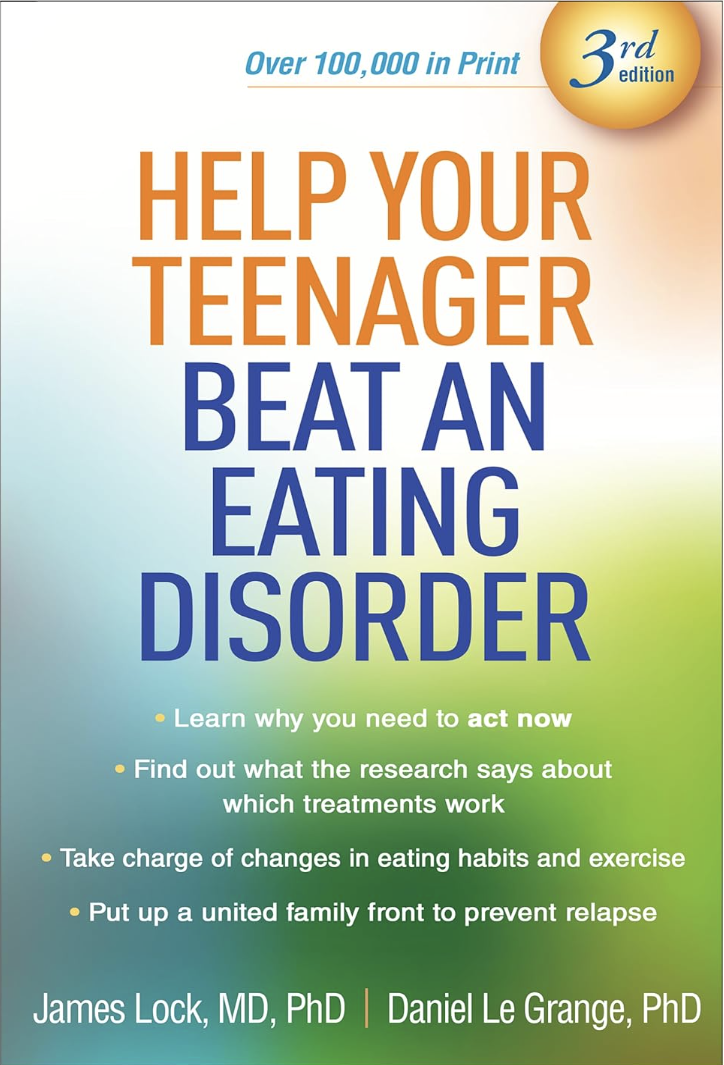
Help Your Child Beat An Eating Disorder
-
![]()
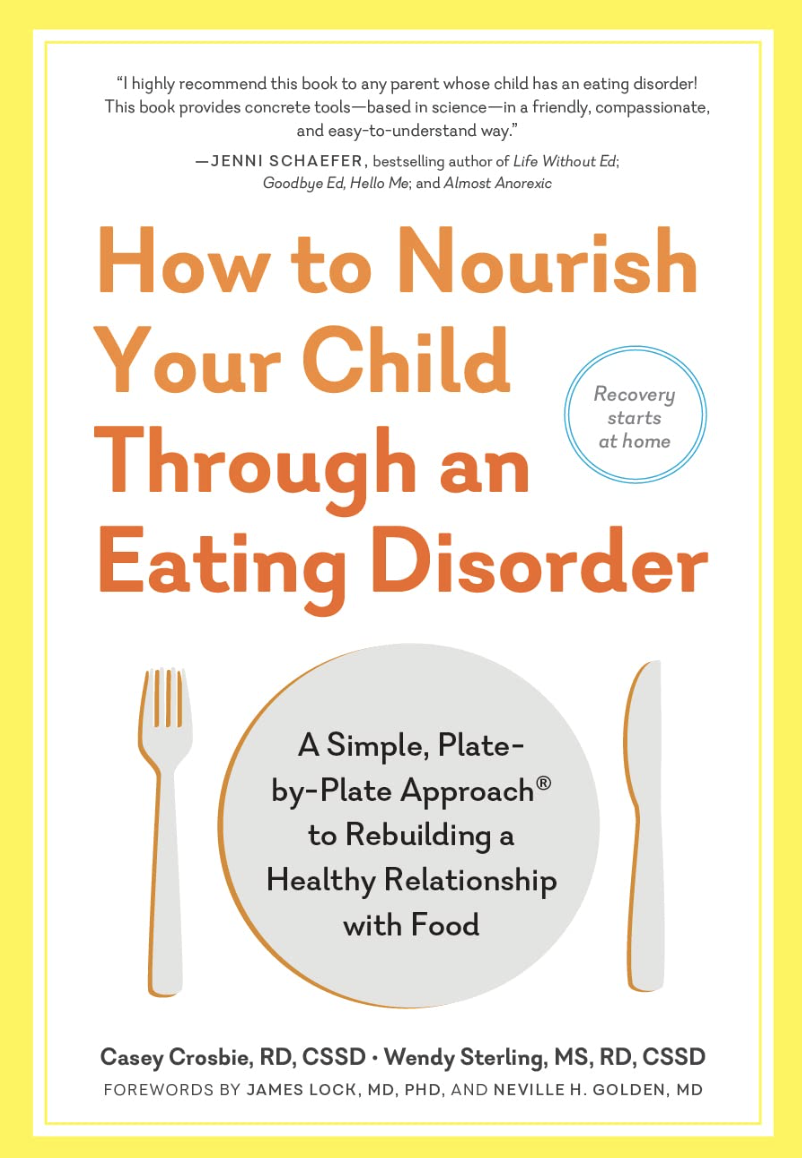
How to Nourish Your Child Through an Eating Disorder: A Simple, Plate-by-Plate Approach® to Rebuilding a Healthy Relationship with Food
-
![]()
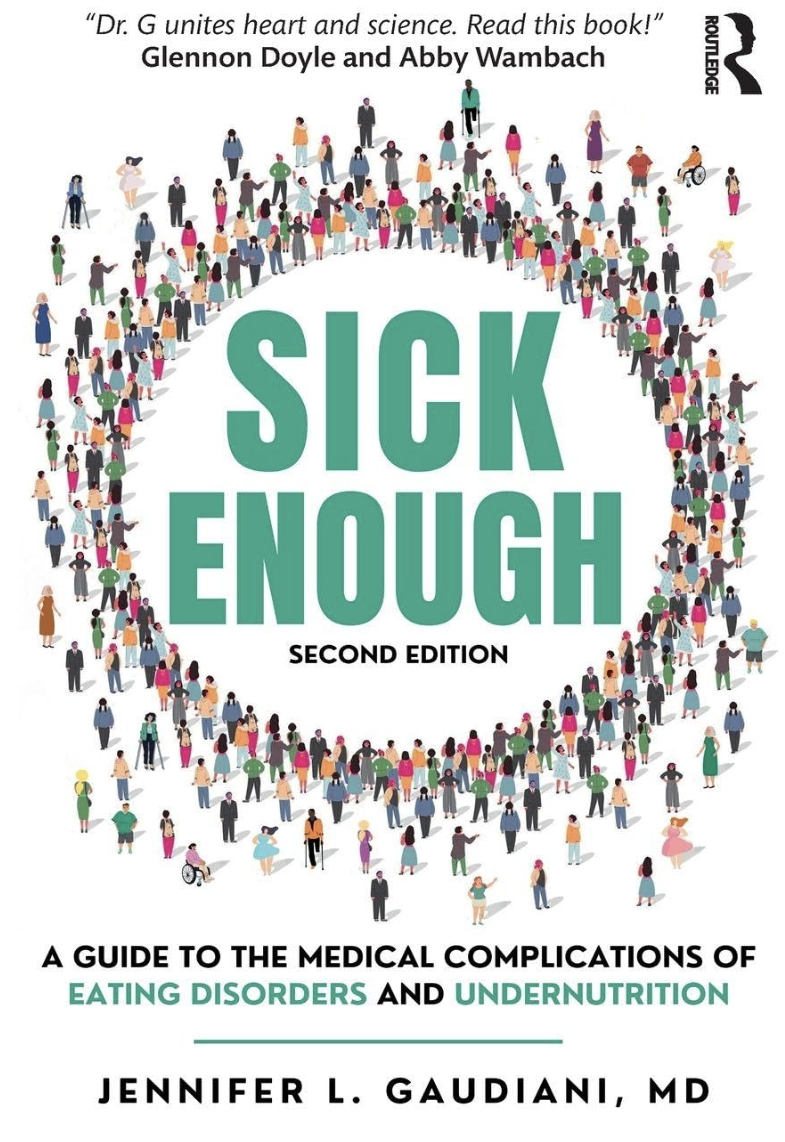
Sick Enough: A Guide to the Medical Complications of Eating Disorders and Undernutrition
-
![]()
Cognitive-Behavioral Therapy for Avoidant/Restrictive Food Intake Disorder
-
![]()
The Picky Eater's Recovery Book: Overcoming Avoidant/Restrictive Food Intake Disorder
-
![]()
Overcoming Binge Eating: The Proven Program to Learn Why You Binge and How You Can Stop
-
![]()
Intuitive Eating: A Revolutionary Anti-Diet Approach
-
![]()
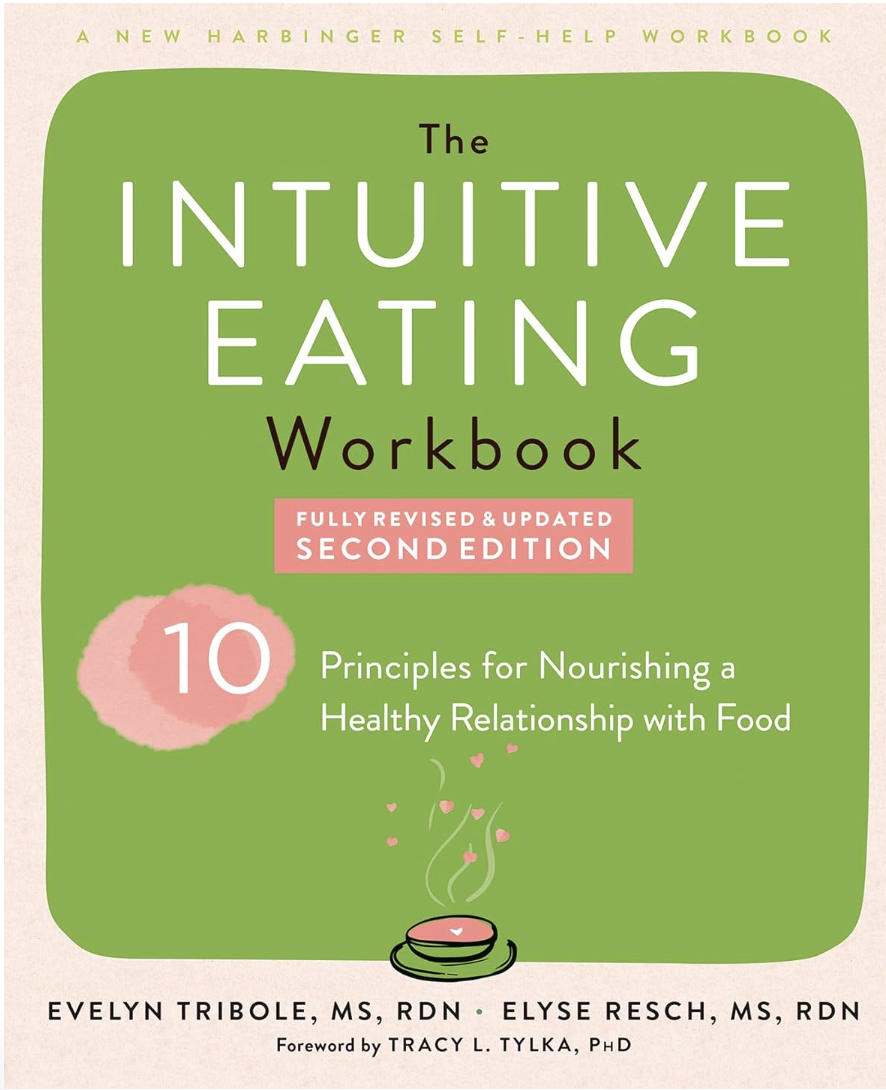
The Intuitive Eating Workbook: Ten Principles for Nourishing a Healthy Relationship with Food
-
![]()
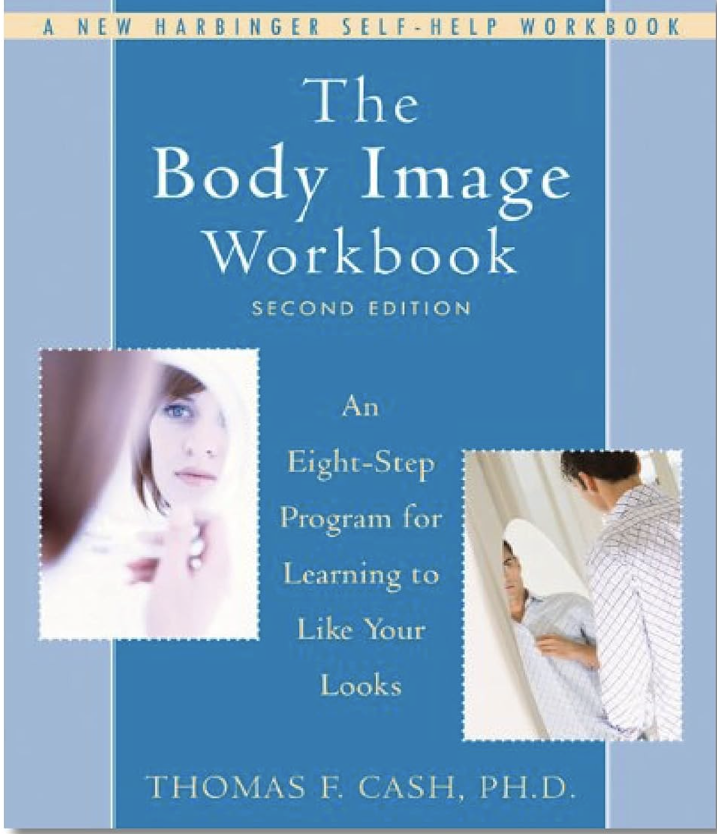
The Body Image Workbook: An Eight-Step Program for Learning to Like Your Looks
-
![]()
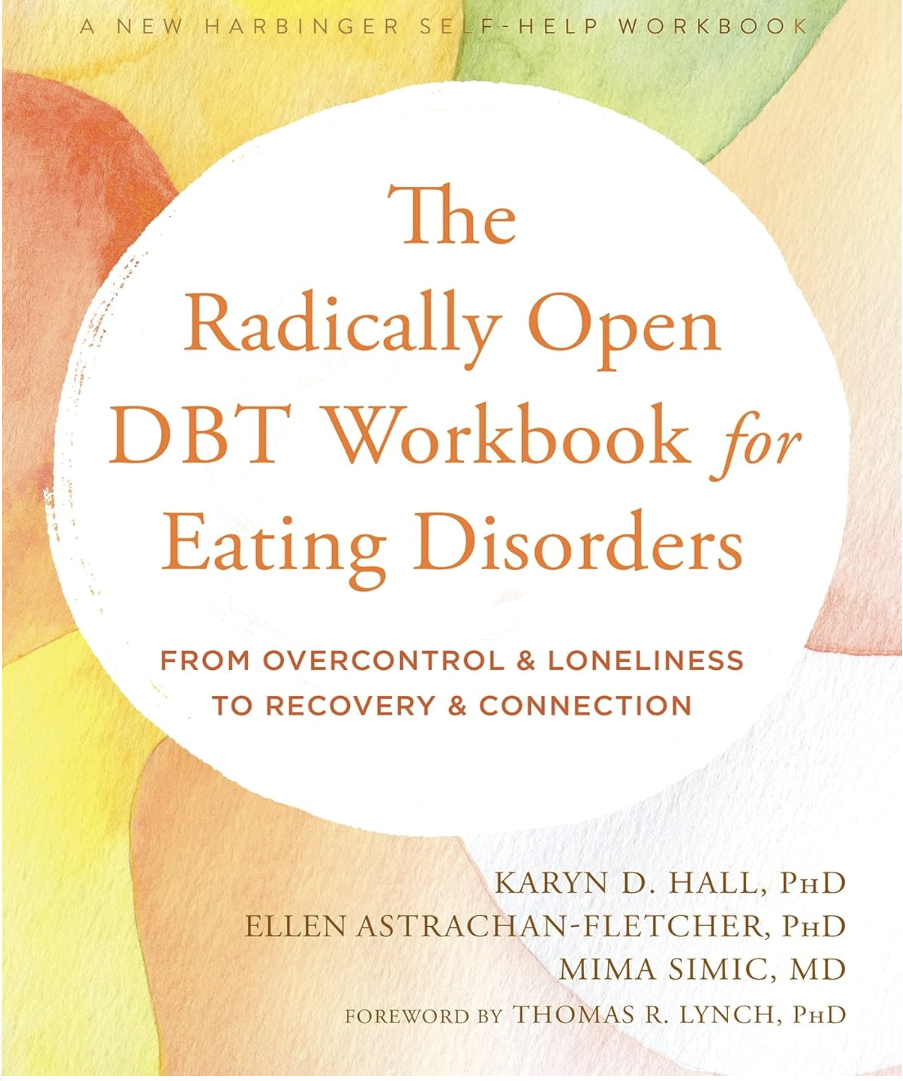
The Radically Open DBT Workbook for Eating Disorders: From Overcontrol and Loneliness to Recovery and Connection
-
![]()
More Than A Body
-
![]()
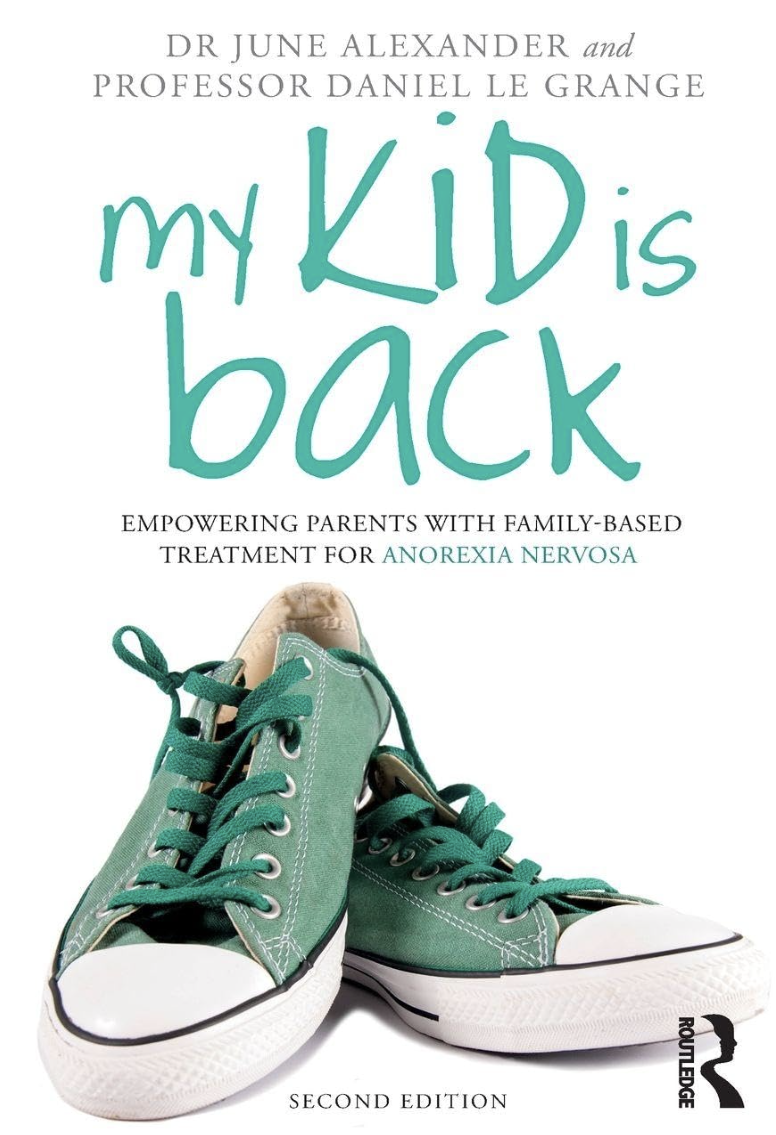
My Kid is Back: Empowering Parents with Family-Based Treatment for Anorexia Nervosa
-
![]()
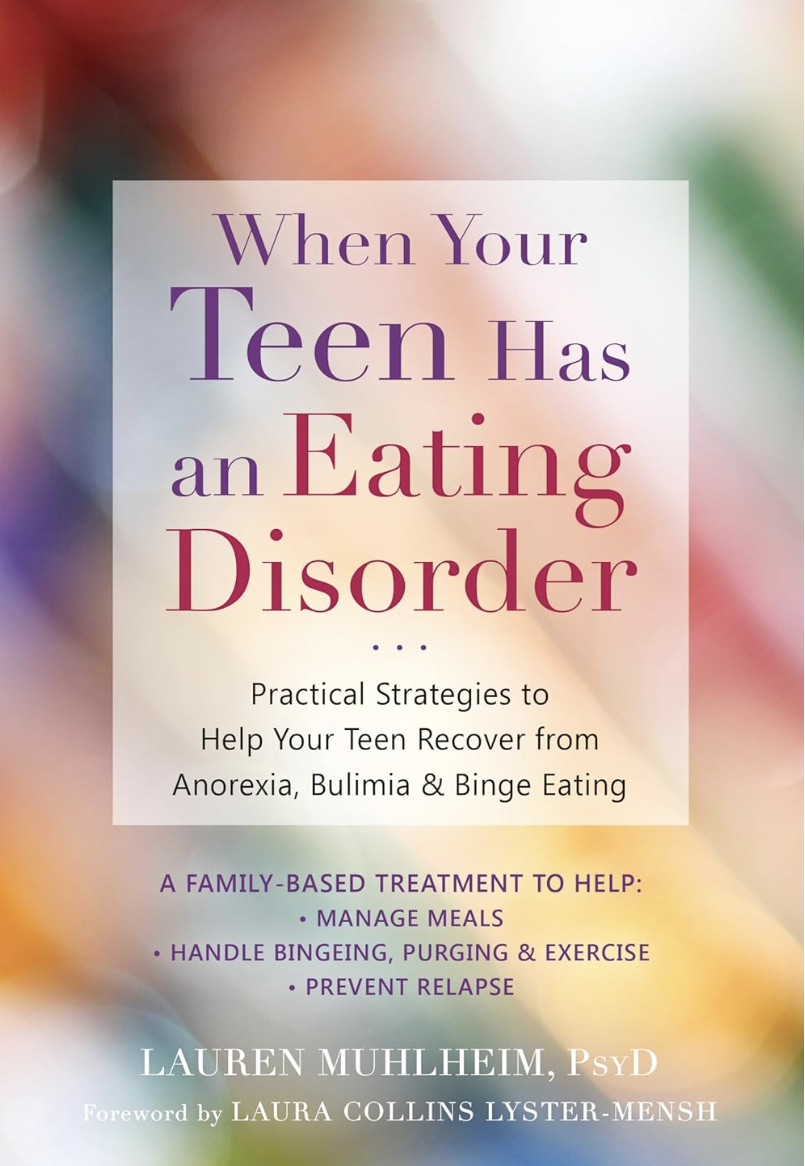
When Your Teen Has an Eating Disorder: Practical Strategies to Help Your Teen Recover from Anorexia, Bulimia, and Binge Eating
-
![]()
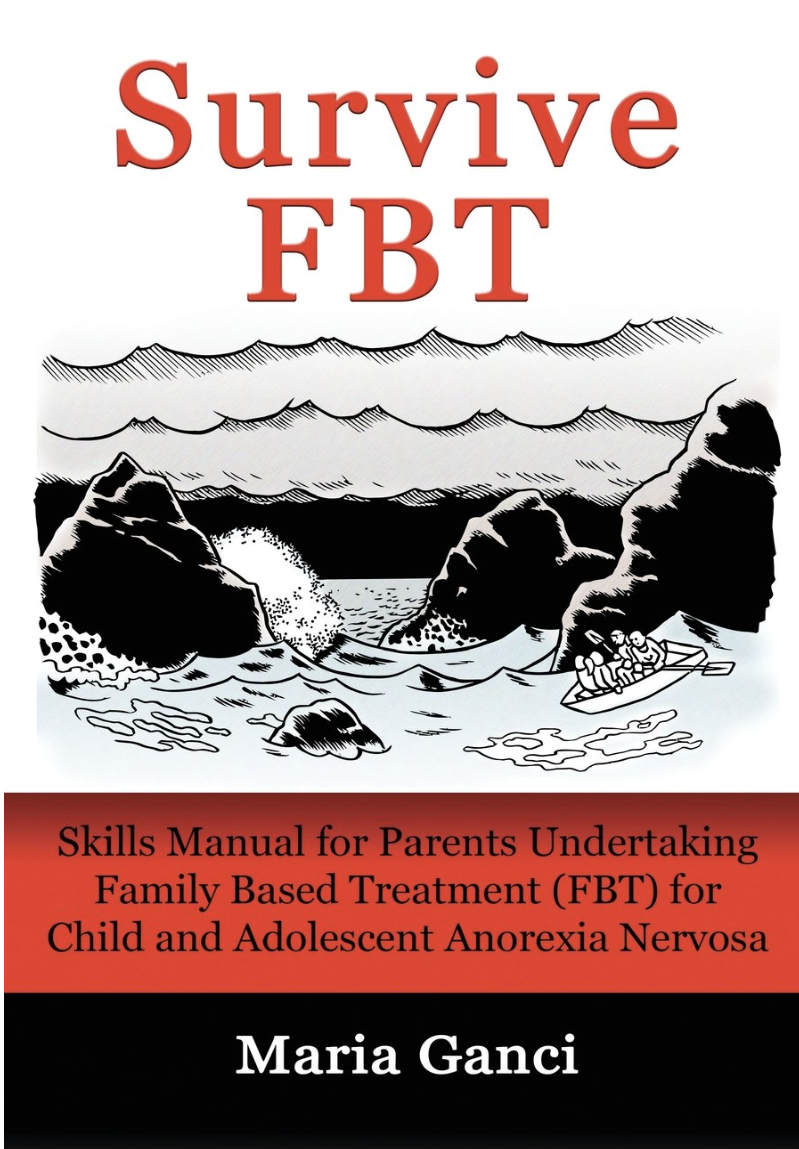
Survive FBT: Skills Manual for Parents Undertaking Family Based Treatment (FBT) for Child and Adolescent Anorexia Nervosa
-
![]()
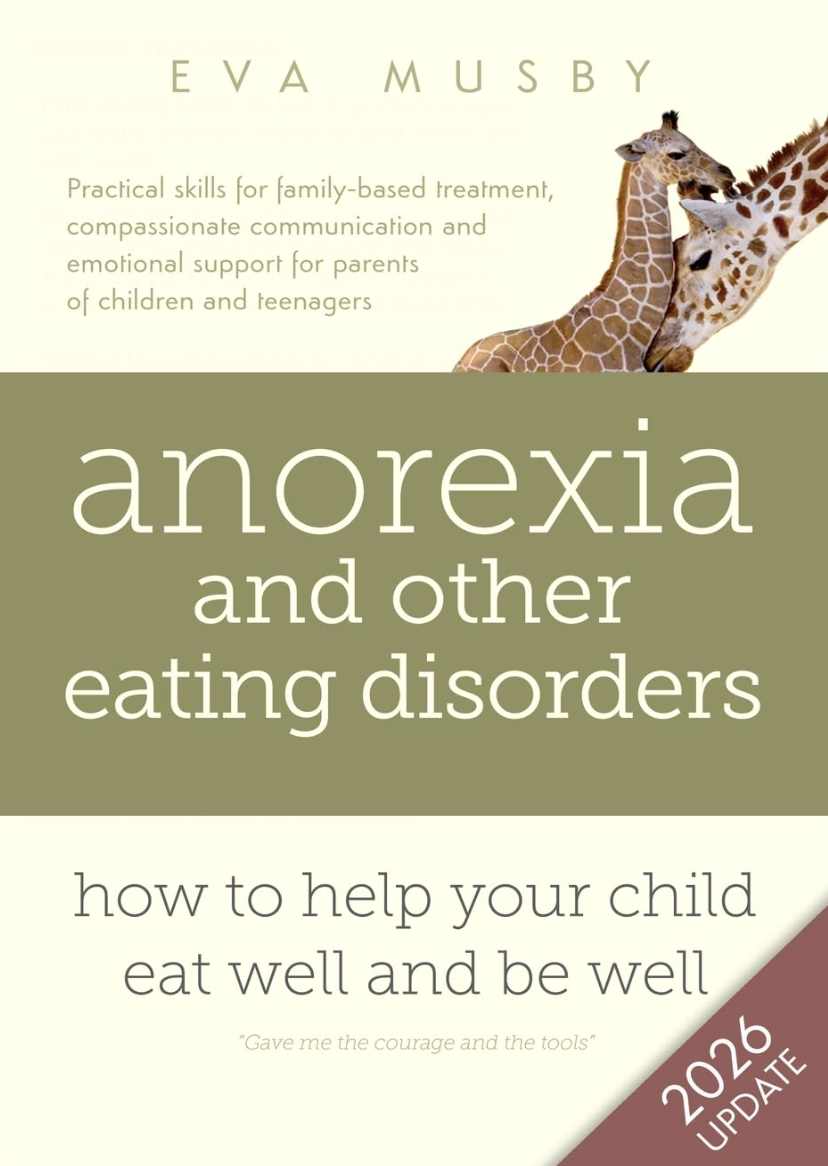
Anorexia and other Eating Disorders: How to Help Your Child Eat Well and Be Well: Practical Solutions, Compassionate Communication Tools and Emotional Support for Parents of Children and Teenagers
-
![]()
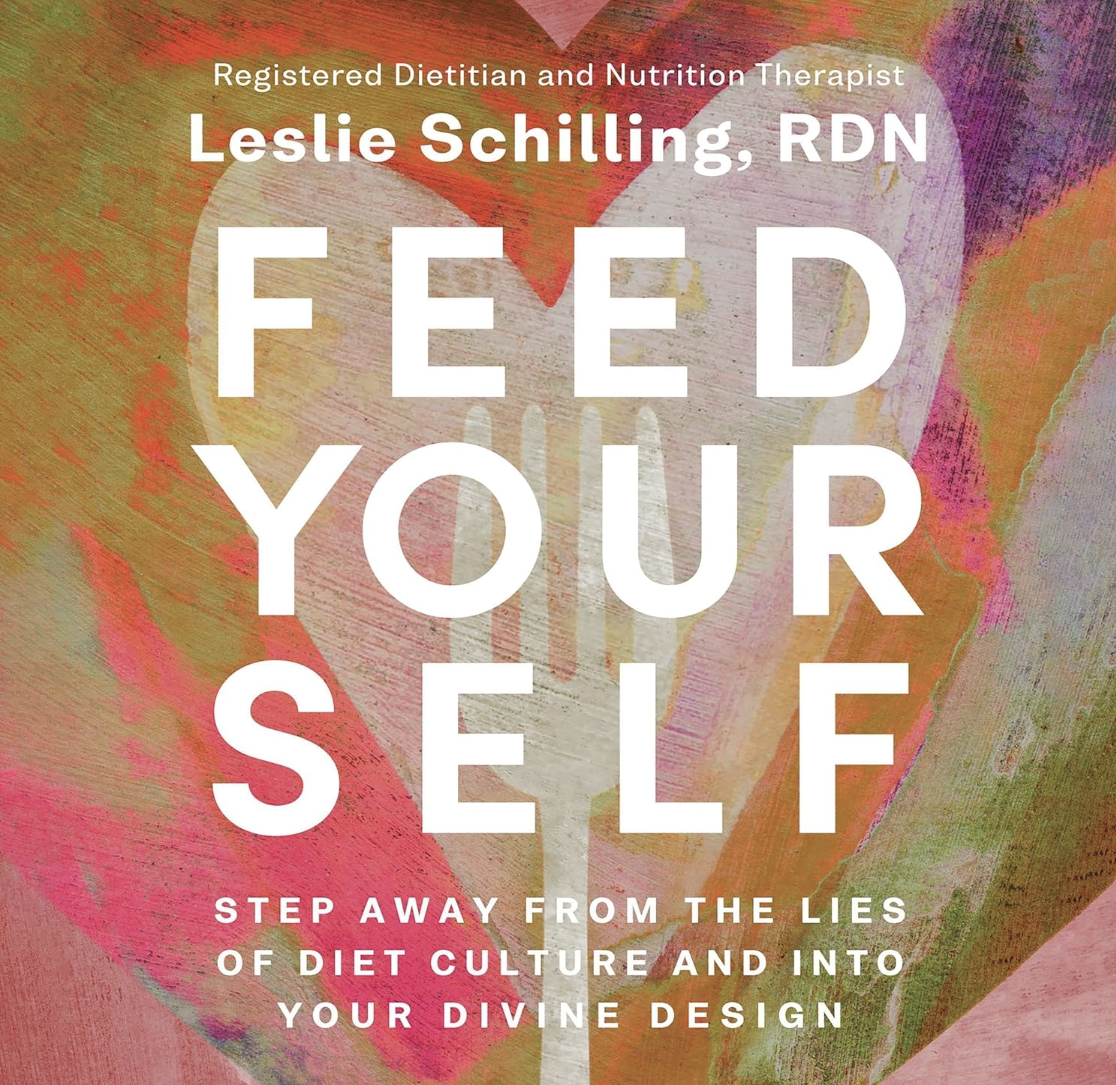
Feed Yourself: Step Away from the Lies of Diet Culture and into Your Divine Design
-
![]()
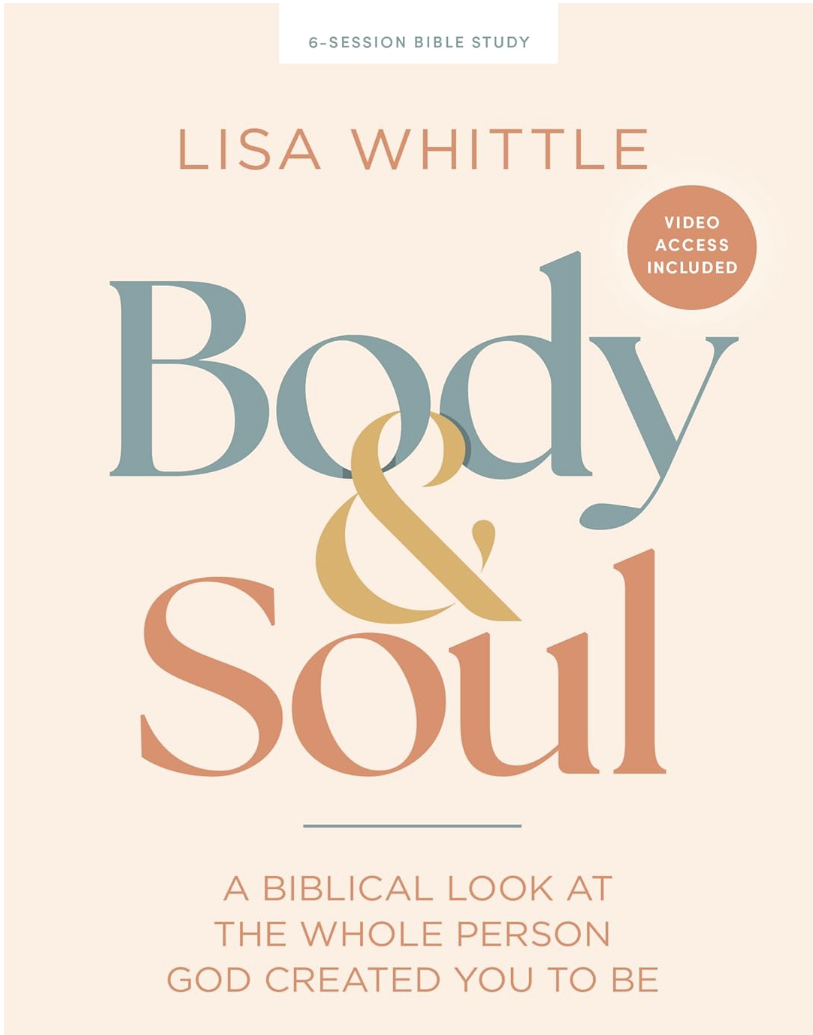
Body and Soul - Bible Study for Women with Video Access: A Biblical Look at the Whole Person God Created You to Be
-
![]()
F.E.A.S.T. (Families Empowered and Supporting Treatment of Eating Disorders) – A Global Organization Which is Dedicated to Providing Support to Parents/Carers of Individuals with Eating Disorders
-
![]()
National Eating Disorders Association (NEDA) - Provides Information and Support to Patients and Carers
-
![]()
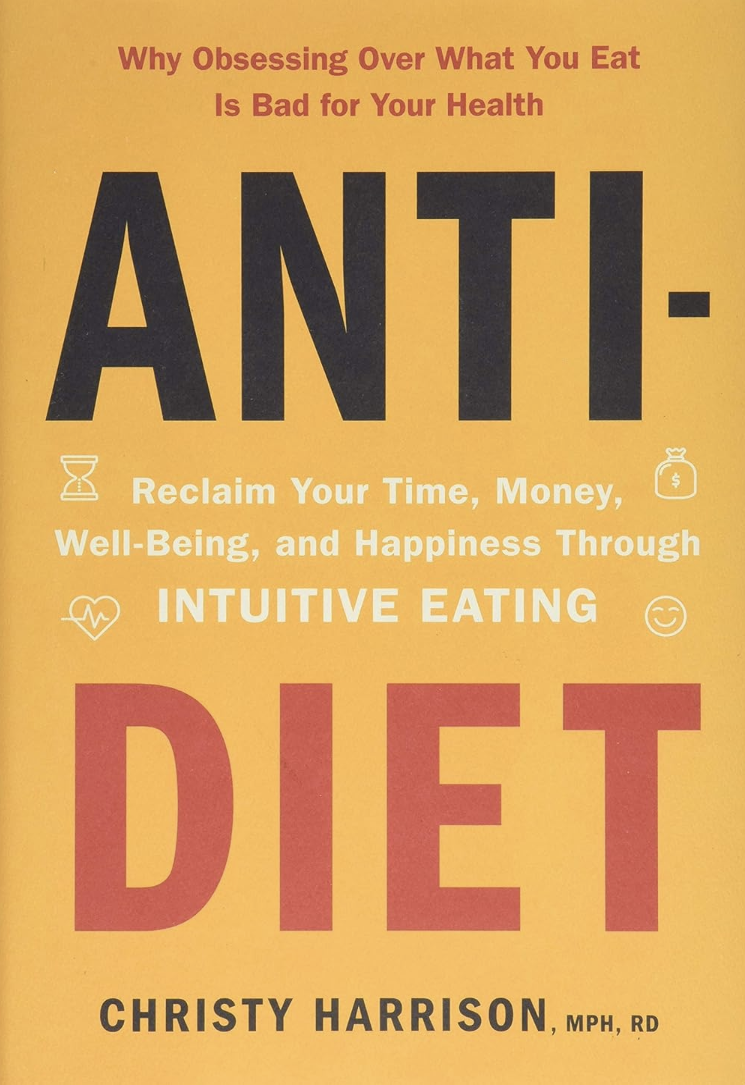
Anti-Diet: Reclaim Your Time, Money, Well-Being, and Happiness Through Intuitive Eating
-
![]()
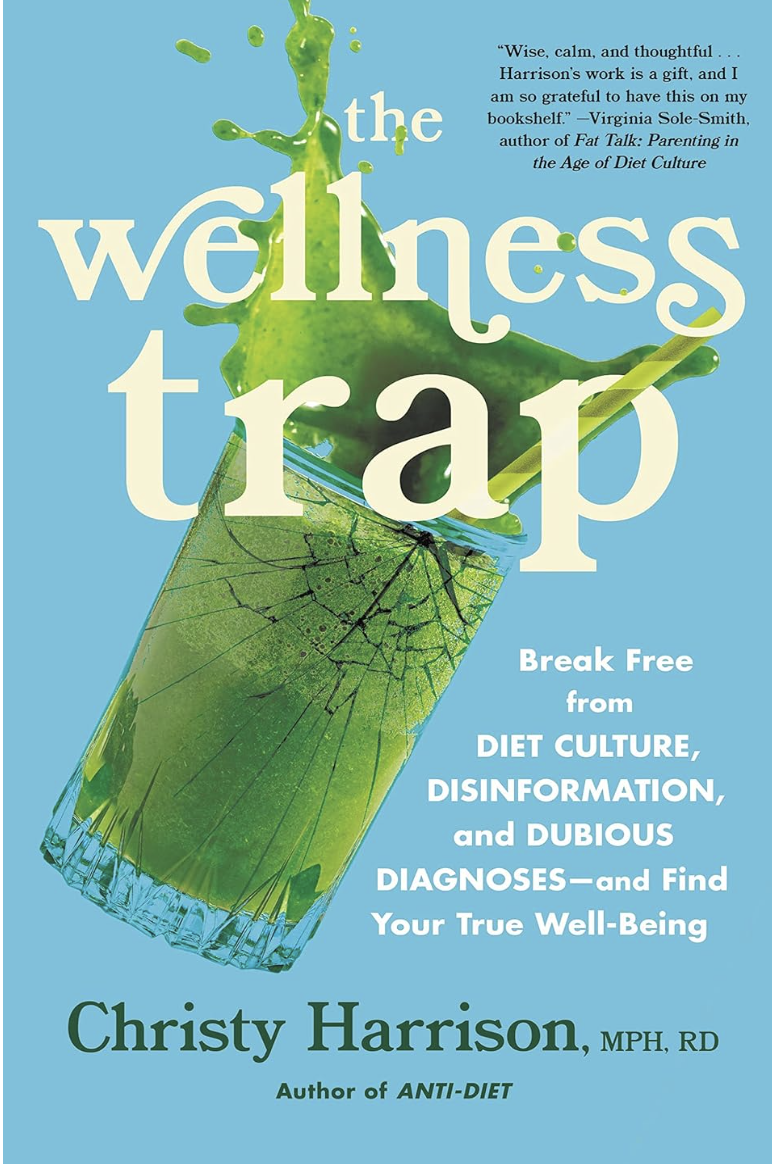
The Wellness Trap: Break Free from Diet Culture, Disinformation, and Dubious Diagnoses, and Find Your True Well-Being
-
![]()
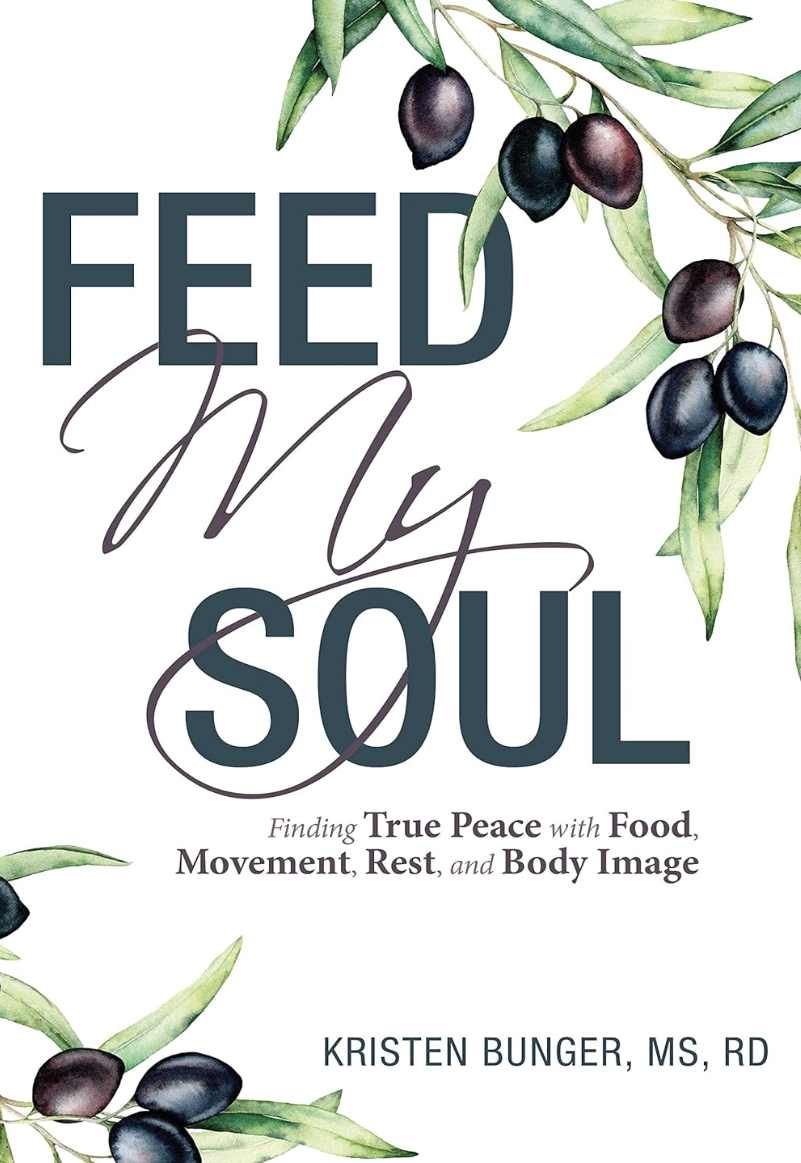
Feed My Soul: Finding True Peace with Food, Movement, Rest, and Body Image
-
![]()
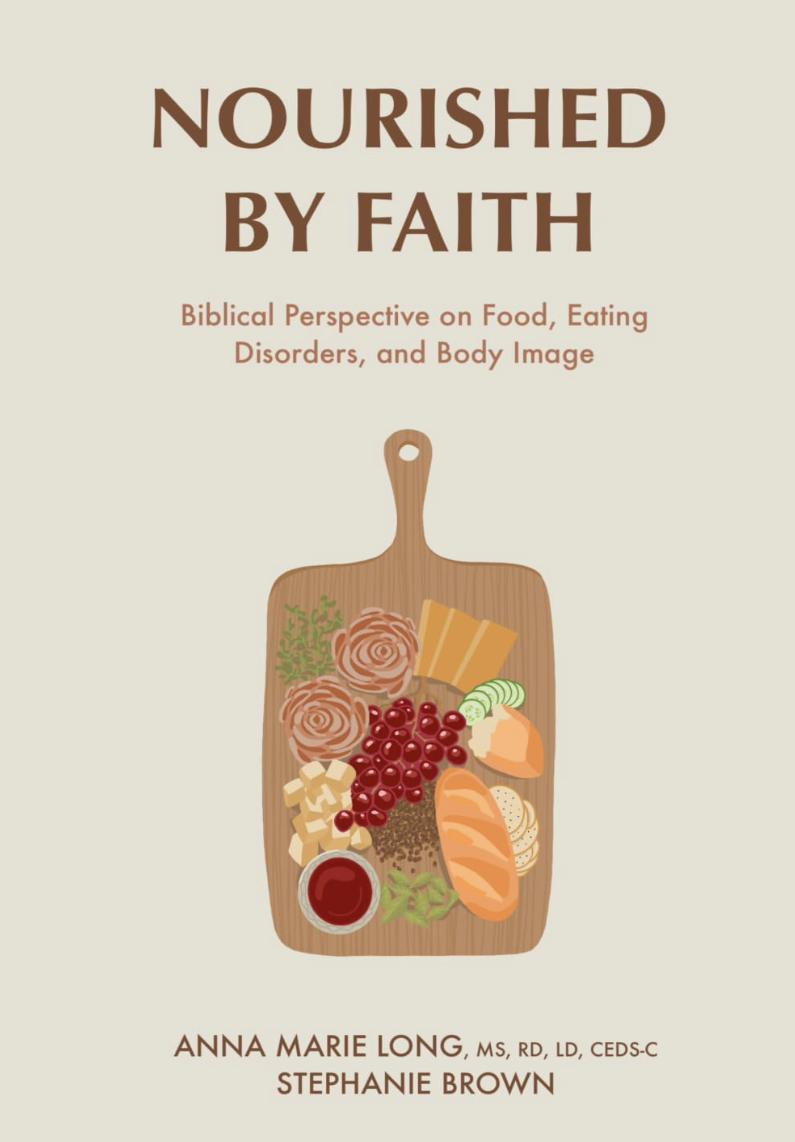
Nourished by Faith: Biblical Perspective on Food, Eating Disorders, and Body Image
-
![]()
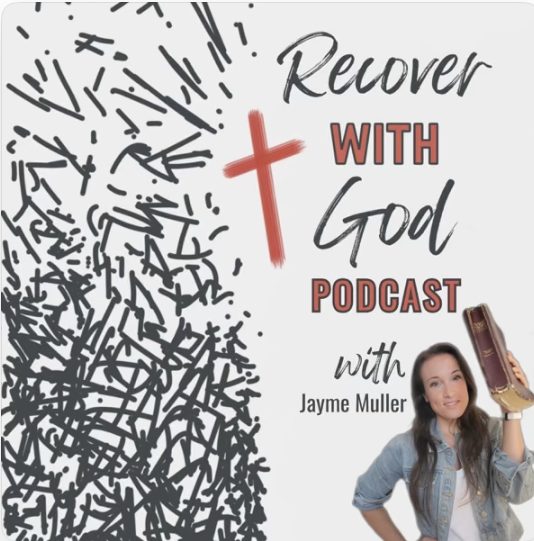
Podcast: Recover with God
-
![]()
Podcast: Faith Filled Food Freedom with Brittany Braswell, RD
-
![]()
Podcast: Food Psych with Christy Harrison
-
![]()
Podcast: Maintenance Phase - Michael Hobbes and Aubrey Gordon debunk the junk science behind health and wellness fads

What People Are Saying