Family-Based Treatment for Eating Disorders
FBT and FBT-TAY therapy for children, teens, and young adults in Minnesota, Wisconsin, North Dakota, and Florida
Eating disorders can affect children, adolescents, and young adults of any body size, gender, or background. At Ezer Psychotherapy, we provide specialized therapy for anorexia, bulimia, binge eating, ARFID, OSFED, disordered eating, and body image concerns.
We offer Family-Based Treatment (FBT) for children and adolescents and FBT-TAY for transition-age youth and young adults who would benefit from family or support-person involvement.
Schedule a consultation today to discuss therapy options for eating disorder recovery.
What is FBT?
Family-Based Treatment, sometimes called the Maudsley approach, is an evidence-based outpatient therapy model for adolescents with eating disorders. FBT helps parents and caregivers take an active, compassionate role in interrupting eating disorder behaviors and supporting recovery at home. FBT is widely recommended as a first-line outpatient treatment for adolescents with anorexia nervosa and is also used for other eating disorders, including bulimia nervosa and restrictive eating disorders.
FBT focuses on:
Restoring regular eating patterns
Reducing restriction, bingeing, purging, overexercise, and avoidance
Separating the young person from the eating disorder
Empowering caregivers without blame
Supporting the child or teen’s return to age-appropriate independence
What is FBT-TAY?
FBT-TAY stands for Family-Based Treatment for Transition-Age Youth. It adapts FBT for older teens and young adults, typically ages 16–25, who may be navigating college, work, independence, relationships, or living away from home.
FBT-TAY is more collaborative than traditional FBT. The young adult helps identify which family members, partners, friends, or support people should be involved. Research on FBT-TAY is promising but still developing, so treatment is individualized to the client’s age, autonomy, medical needs, and support system.
Three Phases of Family Based Treatment for Eating Disorders
Phase 1: Parents and caregivers take the lead
The first phase focuses on interrupting eating disorder behaviors and restoring regular eating. Parents or caregivers are coached to provide strong meal support, reduce restriction, purging, overexercise, bingeing, or avoidance, and help their child move toward medical and emotional stability.
Phase 2: Gradual return of independence
As symptoms improve, eating becomes more consistent, and health stabilizes, responsibility is gradually returned to the child or teen in age-appropriate ways. Parents remain supportive while the young person practices flexibility, confidence, and independence with food.
Phase 3: Recovery, identity, and development
The final phase focuses on relapse prevention, body image, emotional development, relationships, school, sports, faith, and normal adolescent growth beyond the eating disorder.
Step 1: Reach Out and Get Started
The first step is contacting Hallie to discuss your concerns and determine whether Ezer Psychotherapy is a good fit for your needs.
You may choose to:
Schedule an initial appointment directly, or
Schedule a free 15-minute consultation call to ask questions and learn more about treatment
Once your appointment is scheduled, you will receive intake paperwork to complete prior to your first session. These forms provide important background information and help ensure that your first appointment can focus on understanding your concerns and developing a treatment plan.
If you plan to use health insurance, Hallie can verify your insurance benefits before treatment begins. This process helps you understand your coverage, expected costs, and any requirements associated with your plan so there are no surprises when services begin.
What to Expect When Starting Eating Disorder Treatment at Ezer Psychotherapy
Beginning treatment can feel overwhelming, especially when you or your child are struggling with an eating disorder. At Ezer Psychotherapy, our goal is to make the process clear, collaborative, and supportive from the very first contact.
Step 2: The Diagnostic Assessment
Your first clinical appointment will be a comprehensive Diagnostic Assessment (DA). This is an in-depth evaluation designed to help us understand your unique concerns, symptoms, strengths, and treatment needs.
During this appointment, Hallie will gather information about:
Current eating disorder symptoms and behaviors
Eating patterns, food-related fears, and nutritional concerns
Weight and growth history (when applicable)
Medical history and current health concerns
Mental health symptoms such as anxiety, depression, OCD, or perfectionism
Family dynamics and support systems
School, work, social, and daily functioning
Previous treatment experiences
For children and adolescents, parents or caregivers are typically involved in portions of the assessment to provide additional information and discuss concerns. Young adults may choose how much family involvement feels appropriate for their treatment.
The purpose of the Diagnostic Assessment is not simply to assign a diagnosis—it is to develop a comprehensive understanding of what is happening, identify factors contributing to the eating disorder, and determine the most effective path forward.
Step 4: Personalized Treatment Recommendations
Based on the information gathered during the Diagnostic Assessment, Hallie will provide individualized recommendations regarding the most appropriate treatment approach.
Recommendations may include:
Family-Based Treatment (FBT)
Family-Based Treatment for Transition-Age Youth (FBT-TAY)
Enhanced Cognitive Behavioral Therapy (CBT-E)
Exposure and Response Prevention (ERP) for co-occurring OCD symptoms
Parent support and coaching
Coordination with medical providers, dietitians, psychiatrists, or other members of your treatment team
Recommendations for a higher level of care when clinically indicated
Every recommendation is made with the goal of providing the safest, most effective, and most evidence-based treatment for long-term recovery.
Step 3: Developing Treatment Goals
Following the assessment, Hallie will work collaboratively with you and your family to identify meaningful treatment goals and priorities for treatment.
Goals may include:
Restoring adequate nutrition and eating regularly
Reducing eating disorder thoughts and behaviors
Improving body image and self-esteem
Decreasing anxiety around food, weight, or eating
Increasing flexibility with food choices
Strengthening coping skills
Supporting healthy adolescent or young adult development
Improving family communication and support
Treatment goals are individualized and tailored to each client's specific needs, circumstances, and stage of recovery.
Step 5: Begin Your Recovery Journey
Once recommendations have been reviewed, we will schedule ongoing appointments and begin treatment.
Sessions are tailored to the unique needs of each child, adolescent, young adult, and family. Throughout treatment, Hallie will provide education, support, accountability, and evidence-based interventions to help clients make meaningful progress toward recovery.
Recovery from an eating disorder is possible. Whether you are seeking support for a child, adolescent, or young adult, Ezer Psychotherapy is committed to providing compassionate, specialized care every step of the way.
Family-Centered Care: You Are Part of the Healing
Parents and caregivers are not the problem—they are a critical part of the solution.
At Ezer Psychotherapy, we actively involve families in treatment, helping you:
Feel confident supporting your child through meals
Understand the eating disorder and how it operates
Reduce conflict and increase connection
Navigate recovery with clarity and support
You don’t have to figure this out alone.
Struggling to understand eating disorders or how to help someone you love? Visit our blog for expert advice, real-world strategies, and support for every stage of recovery.
-
![Christian eating disorder treatment and therapy, Minnesota, Wisconsin, North Dakota, Florida, child, teens, adolescents, young adults, college students, anorexia, bulimia, ARFID, binge eating disorder, Hallie Orton, Ezer Psychotherapy. Virtual]()
Does My Child (or do I) Have an Eating Disorder? Signs Not to Ignore
-
![Christian eating disorder treatment and therapy, Minnesota, Wisconsin, North Dakota, Florida, child, teens, adolescents, young adults, college students, anorexia, bulimia, ARFID, binge eating disorder, Hallie Orton, Ezer Psychotherapy. Virtual.]()
What to Expect in Outpatient Eating Disorder Therapy: A Complete Guide for Recovery
-
![Christian eating disorder treatment and therapy, Minnesota, Wisconsin, North Dakota, Florida, child, teens, adolescents, young adults, college students, anorexia, bulimia, ARFID, binge eating disorder, Hallie Orton, Ezer Psychotherapy. Virtual.]()
Common Co-Occurring Diagnoses in People With Eating Disorders and How Ezer Psychotherapy Treats Them
-
![Christian eating disorder treatment and therapy, Minnesota, Wisconsin, North Dakota, Florida, child, teens, adolescents, young adults, college students, anorexia, bulimia, ARFID, binge eating disorder, Hallie Orton, Ezer Psychotherapy. Virtual.]()
How to Provide Meal Support for People with Eating Disorders
-
![Christian eating disorder treatment and therapy, Minnesota, Wisconsin, North Dakota, Florida, child, teens, adolescents, young adults, college students, anorexia, bulimia, ARFID, binge eating disorder, Hallie Orton, Ezer Psychotherapy. Virtual.]()
What to Do if Your Child or Teen Refuses to Eat
-
![What to do if your child refuses to eat, does my child have an eating disorder, what are symptoms of an eating disorder, malnutrition, eating disorder treatment and therapy Minneapolis, St. Paul, Minnesota, Wisconsin, North Dakota, Florida]()
Healing the Mirror: Supporting Your Child’s Journey to Body Acceptance
-
![Christian eating disorder treatment and therapy, Minnesota, Wisconsin, North Dakota, Florida, child, teens, adolescents, young adults, college students, anorexia, bulimia, ARFID, binge eating disorder, Hallie Orton, Ezer Psychotherapy. Virtual.]()
Common Myths About Eating Disorders Debunked: What Every Parent, Teen, and Adult Needs to Know
-
![Christian eating disorder treatment and therapy, Minnesota, Wisconsin, North Dakota, Florida, child, teens, adolescents, young adults, college students, anorexia, bulimia, ARFID, binge eating disorder, Hallie Orton, Ezer Psychotherapy. Virtual.]()
Parent Survival Guide: Navigating Family-Based Treatment (FBT) for Your Child’s Eating Disorder
-
![A blurry, black and white photograph of a person pressing their hands against a foggy or frosted glass surface, with their face and body obscured behind the glass.]()
Brain Fog and Eating Disorders: Why You Can’t Think Clearly (and How to Fix It)
-
![Two hands reaching towards each other with one hand extended and the other hand slightly curled, in front of a concrete wall with vertical lines.]()
How to Support Someone with an Eating Disorder: A Guide for Friends and Family
-
![Athlete in starting position on a red track, holding a baton, ready to race.]()
Eating Disorders & Athletes: When Performance and Health Collide
-
![A person wearing a denim jacket and holding a stack of notebooks while walking outdoors, with earphones in and a backpack on their shoulder.]()
Eating Disorders in College Students: You Don’t Have to Navigate This Alone
-
![]()
When You’re Worried About Your Child’s Eating: A Guide for Parents
-
![]()
Does My Child Have ARFID? Signs Parents Should Not Ignore and What to Do
-
![]()
Christian-Based Eating Disorder Therapy: Integrating Faith and Healing in Recovery
-
![]()
How Malnutrition Changes Your Brain, Affects Mental Health, (And Why Recovery Feels So Hard)
-
![]()
Why Eating Disorder Recovery Feels So Hard (Even When You're Trying)
-
![]()
Refeeding and Mental Health Symptoms: Why You Feel Worse Before You Feel Better in Eating Disorder Recovery
-
![]()
Picky Eating vs. Eating Disorder: How to Tell the Difference (and When to Seek Help)
-
![]()
Aggression and Anger Outbursts During Eating Disorder Treatment: A Guide for Parents Using Family-Based Treatment (FBT)
-
![]()
How to Support a College Student with an Eating Disorder (Without Making Things Worse)
-
![]()
Parents: What to Do When Your Teen Refuses Help for Their Eating Disorder
-
![]()
How Starvation Affects Mental Health: What Happens to Your Brain During an Eating Disorder
-
![]()
How to Support a Loved One with an Eating Disorder During the Holidays
-
![]()
The Hidden Cost of Untreated Eating Disorders: Academic Dreams Deferred
-
![]()
Anorexia vs. Orthorexia: What’s the Difference (and Why It Matters)

























Literature, Podcasts, & Professional Organizations for Additional Information & Support:
-
![]()
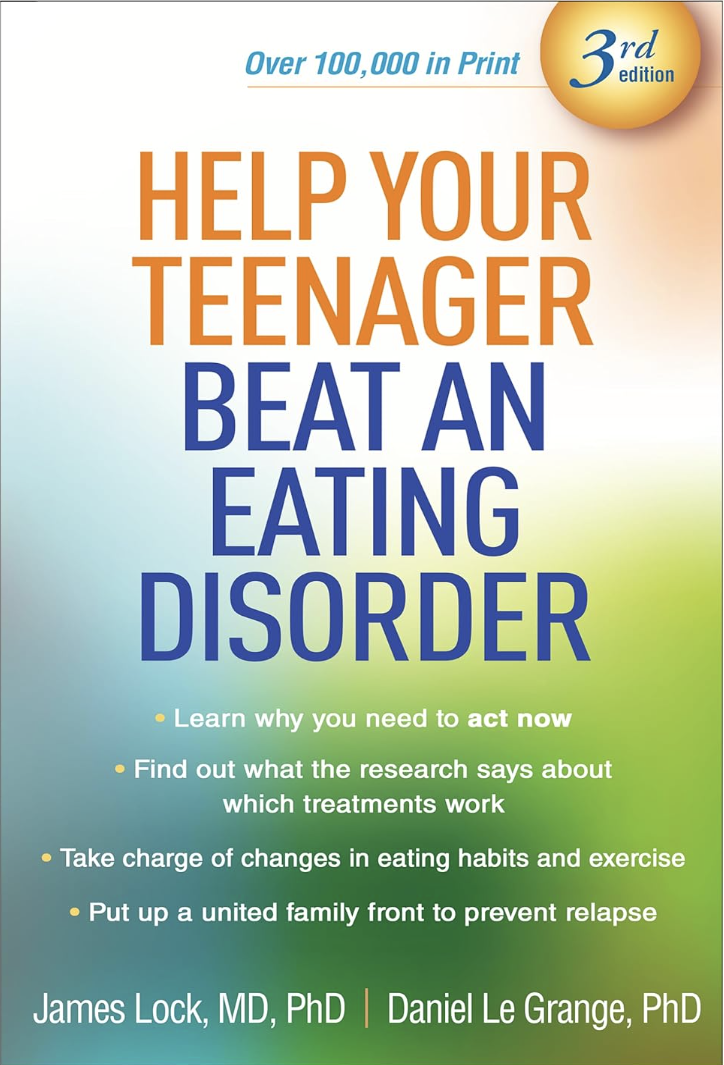
Help Your Child Beat An Eating Disorder
-
![]()
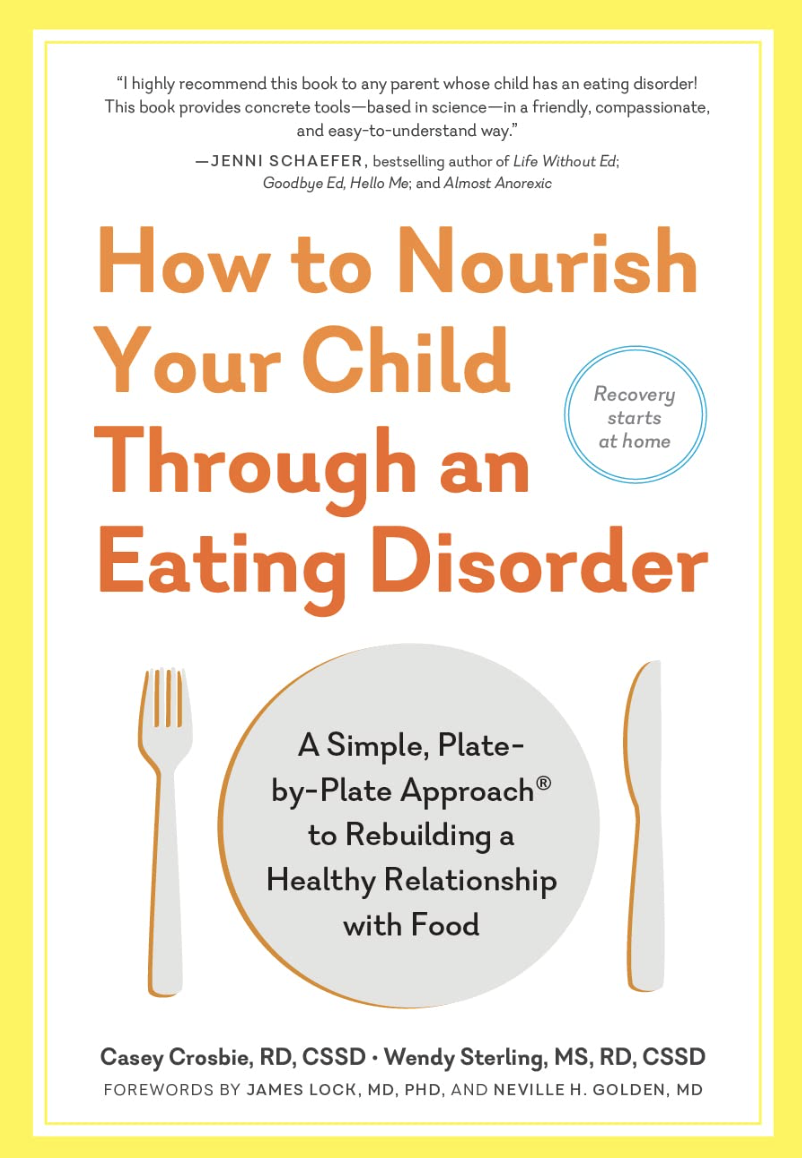
How to Nourish Your Child Through an Eating Disorder: A Simple, Plate-by-Plate Approach® to Rebuilding a Healthy Relationship with Food
-
![]()
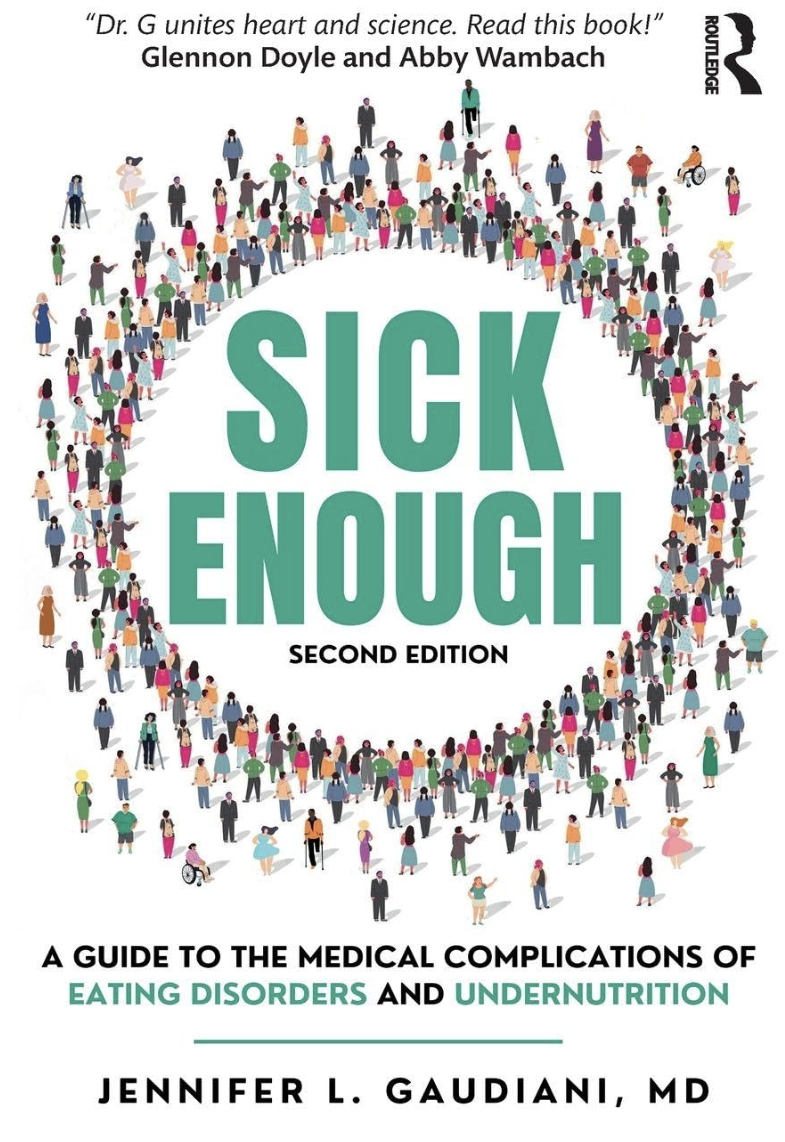
Sick Enough: A Guide to the Medical Complications of Eating Disorders and Undernutrition
-
![]()
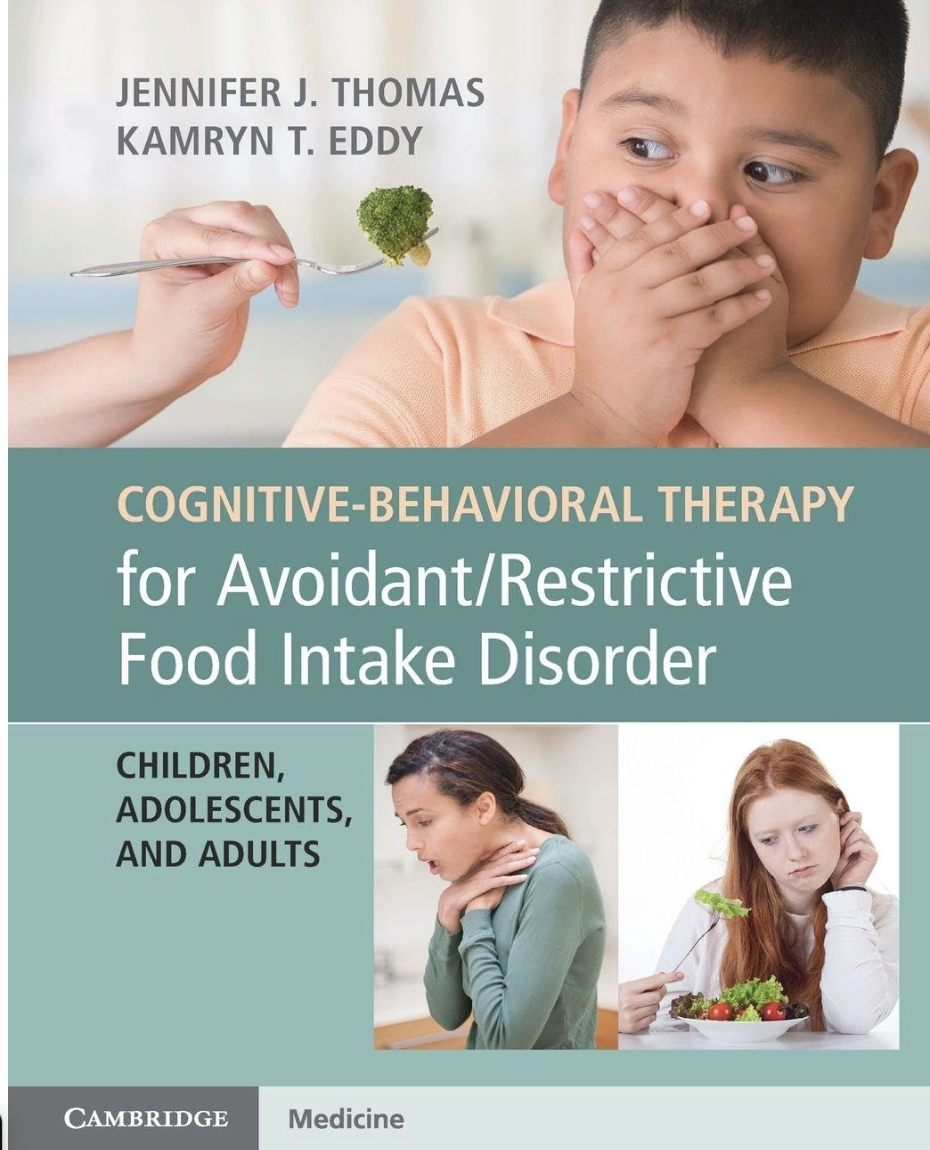
Cognitive-Behavioral Therapy for Avoidant/Restrictive Food Intake Disorder
-
![]()
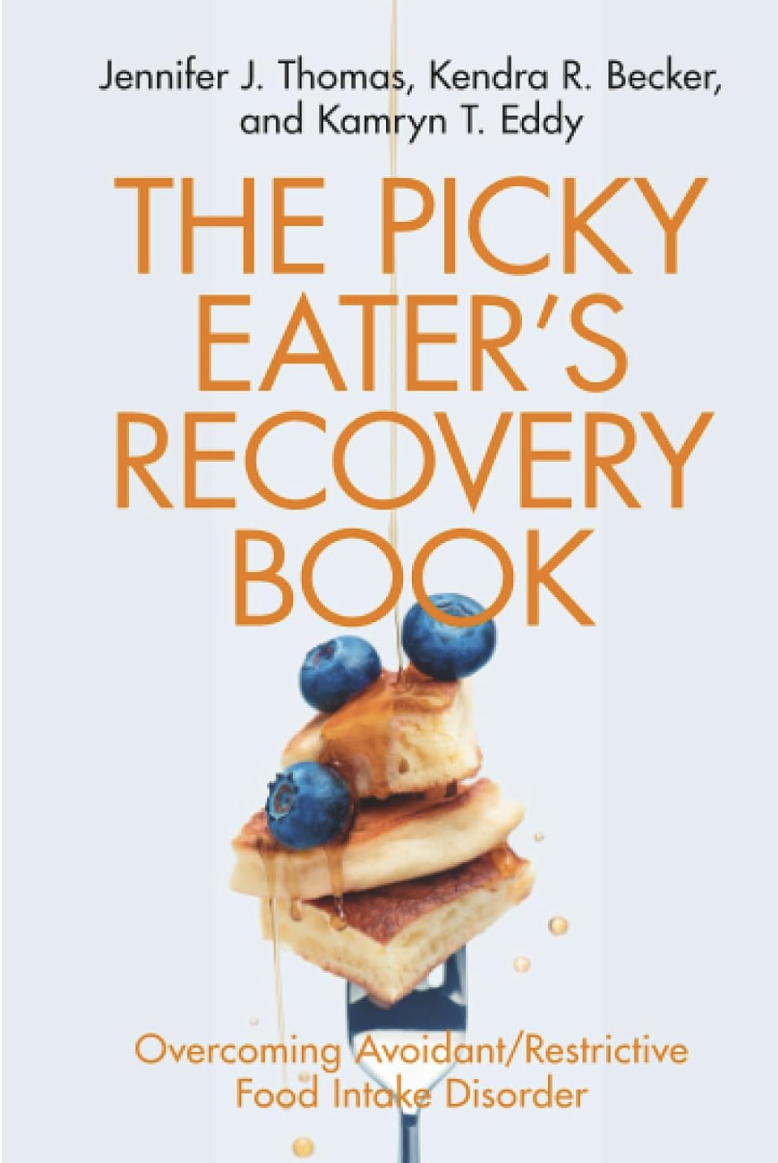
The Picky Eater's Recovery Book: Overcoming Avoidant/Restrictive Food Intake Disorder
-
![]()
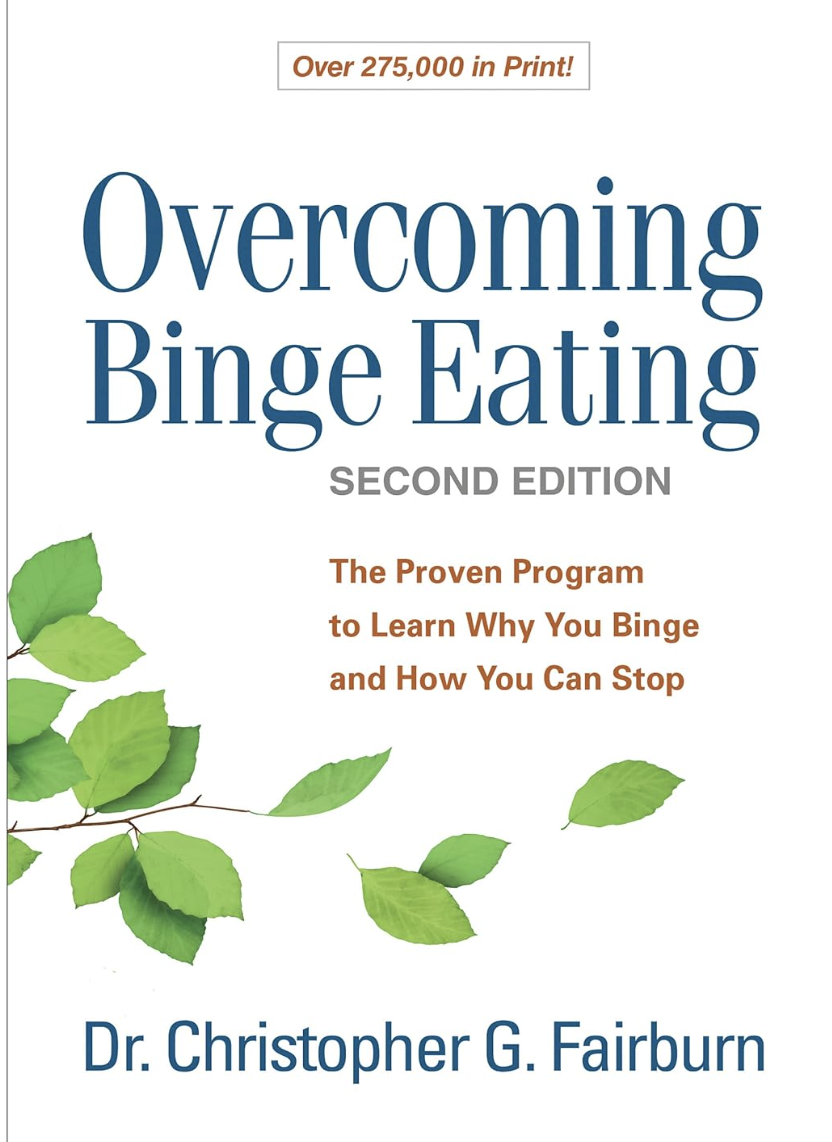
Overcoming Binge Eating: The Proven Program to Learn Why You Binge and How You Can Stop
-
![]()
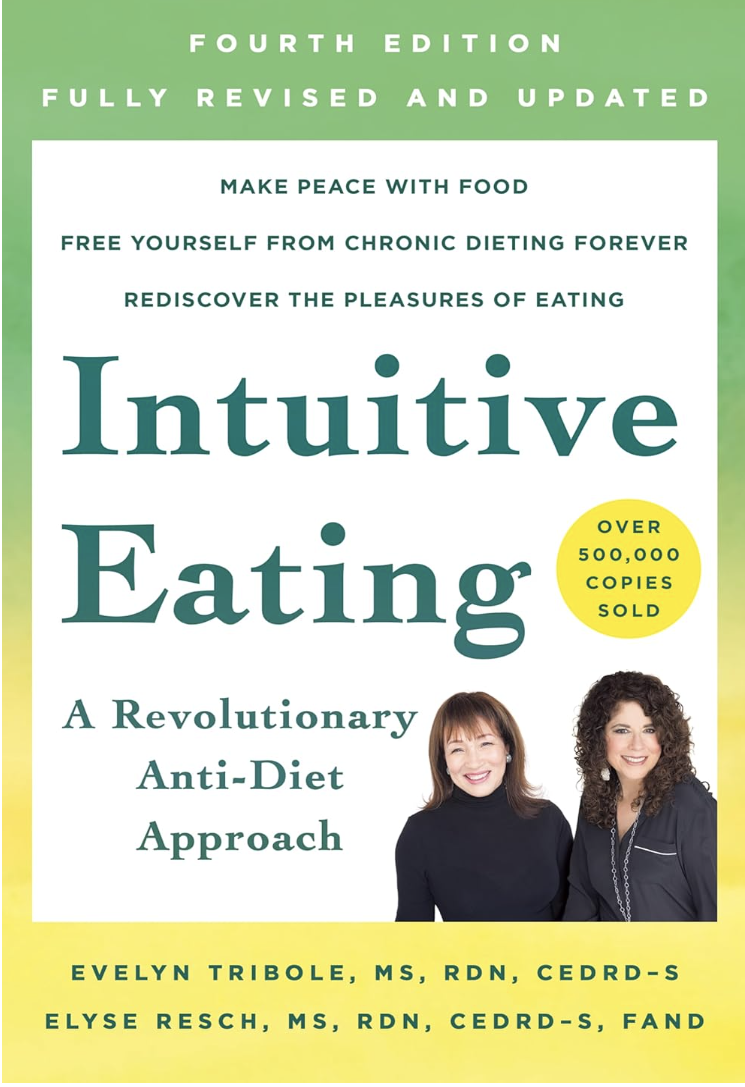
Intuitive Eating: A Revolutionary Anti-Diet Approach
-
![]()
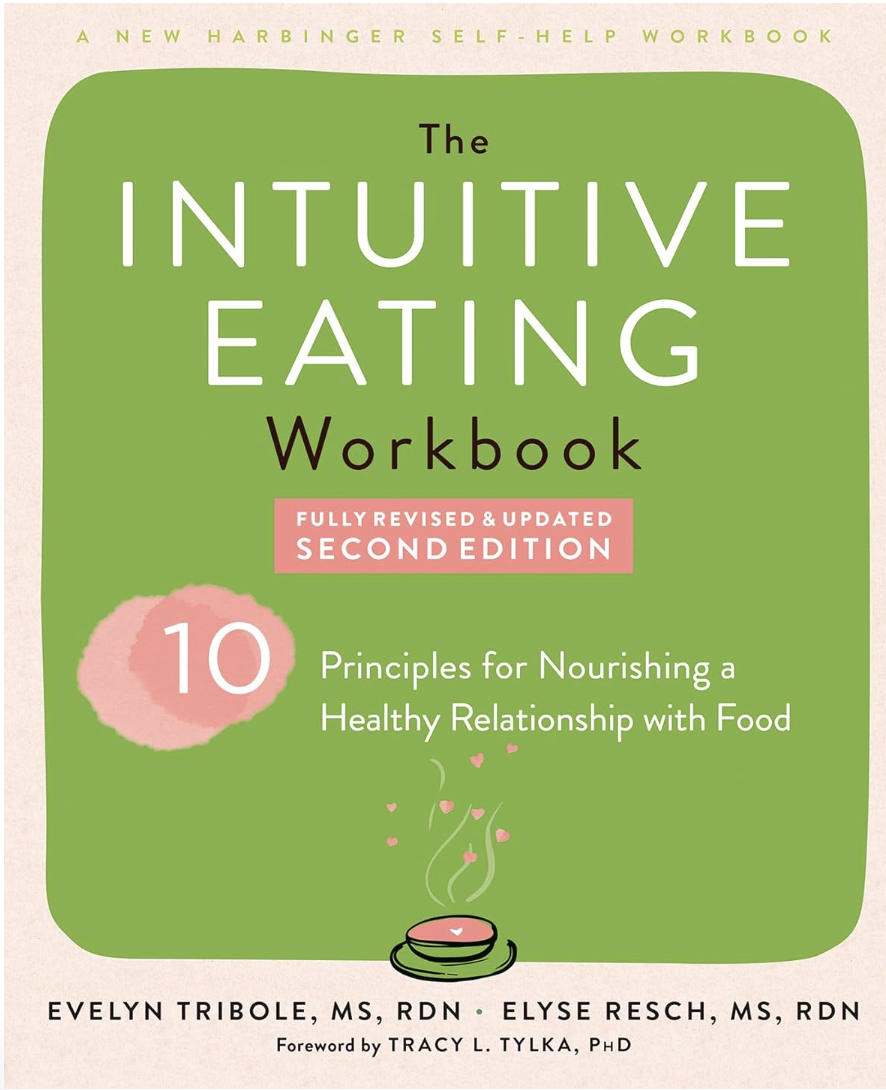
The Intuitive Eating Workbook: Ten Principles for Nourishing a Healthy Relationship with Food
-
![]()
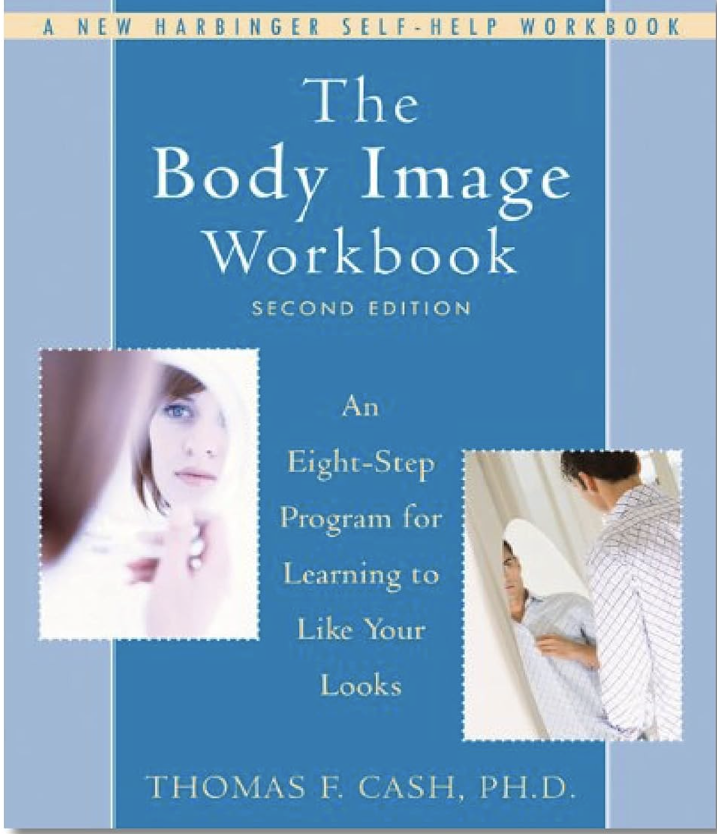
The Body Image Workbook: An Eight-Step Program for Learning to Like Your Looks
-
![]()
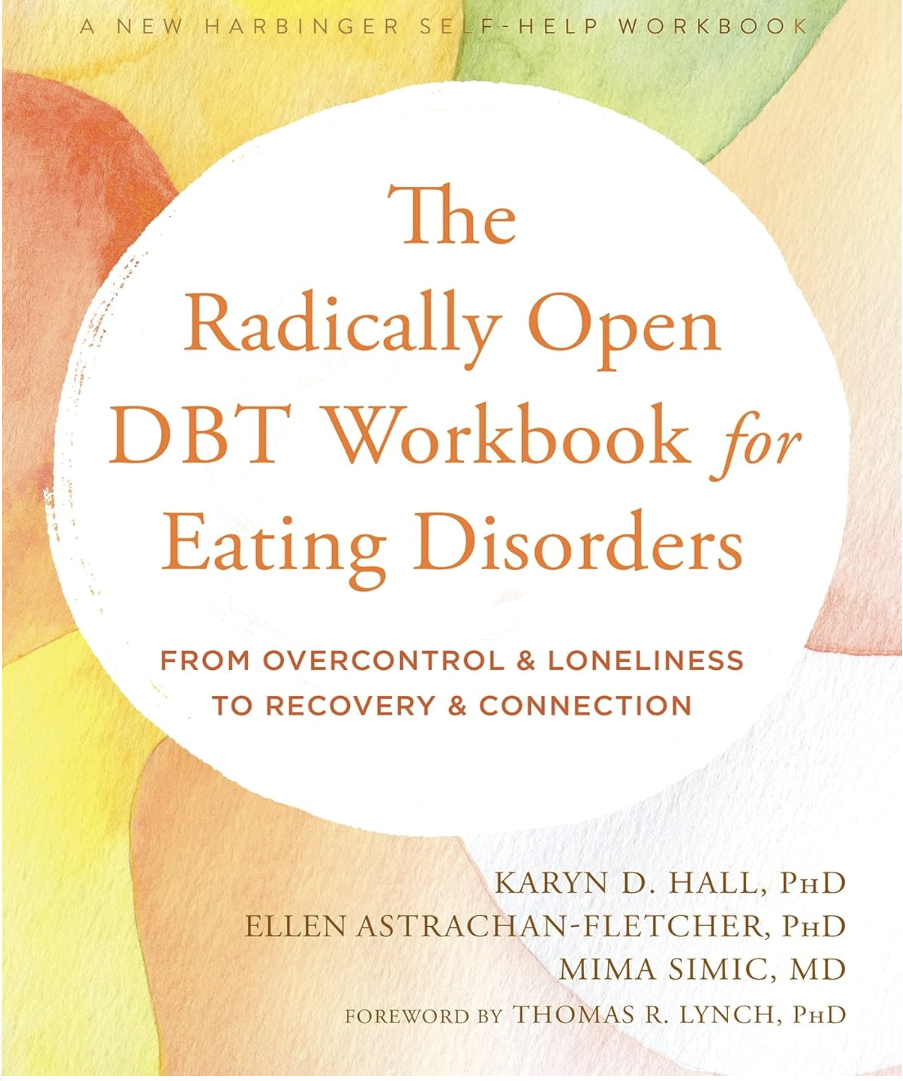
The Radically Open DBT Workbook for Eating Disorders: From Overcontrol and Loneliness to Recovery and Connection
-
![]()
More Than A Body
-
![]()
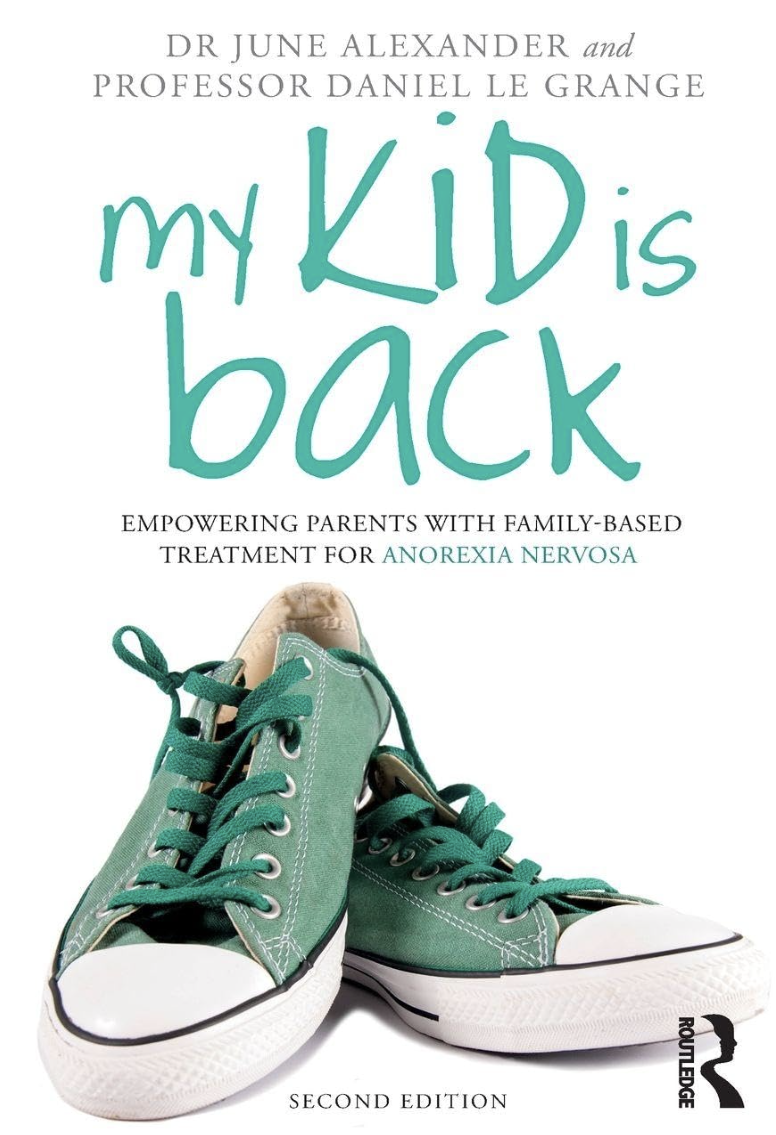
My Kid is Back: Empowering Parents with Family-Based Treatment for Anorexia Nervosa
-
![]()
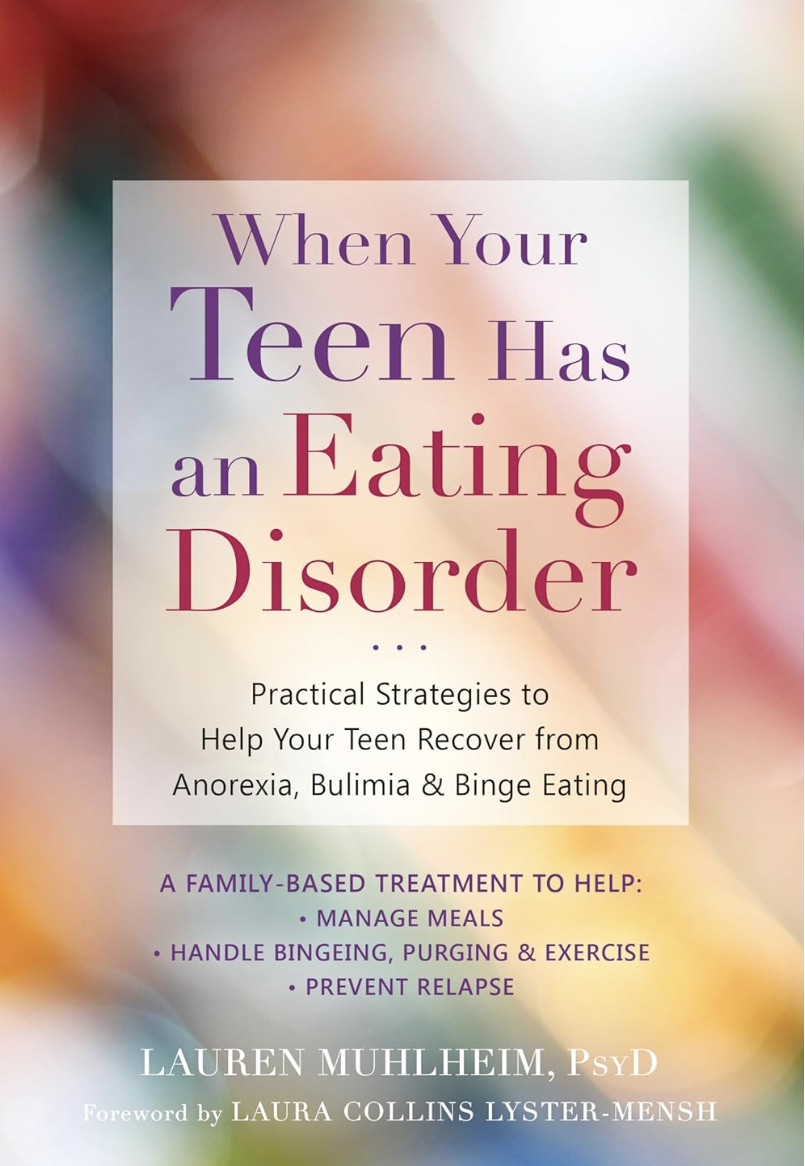
When Your Teen Has an Eating Disorder: Practical Strategies to Help Your Teen Recover from Anorexia, Bulimia, and Binge Eating
-
![]()
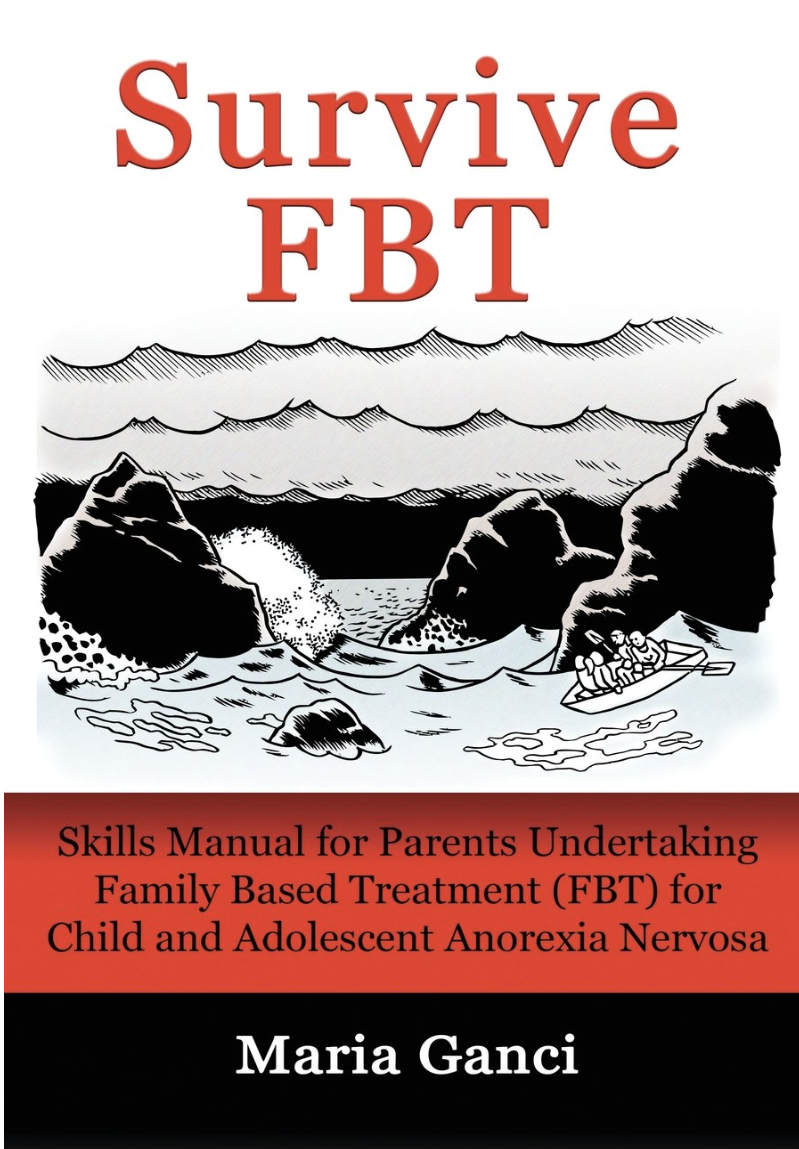
Survive FBT: Skills Manual for Parents Undertaking Family Based Treatment (FBT) for Child and Adolescent Anorexia Nervosa
-
![]()
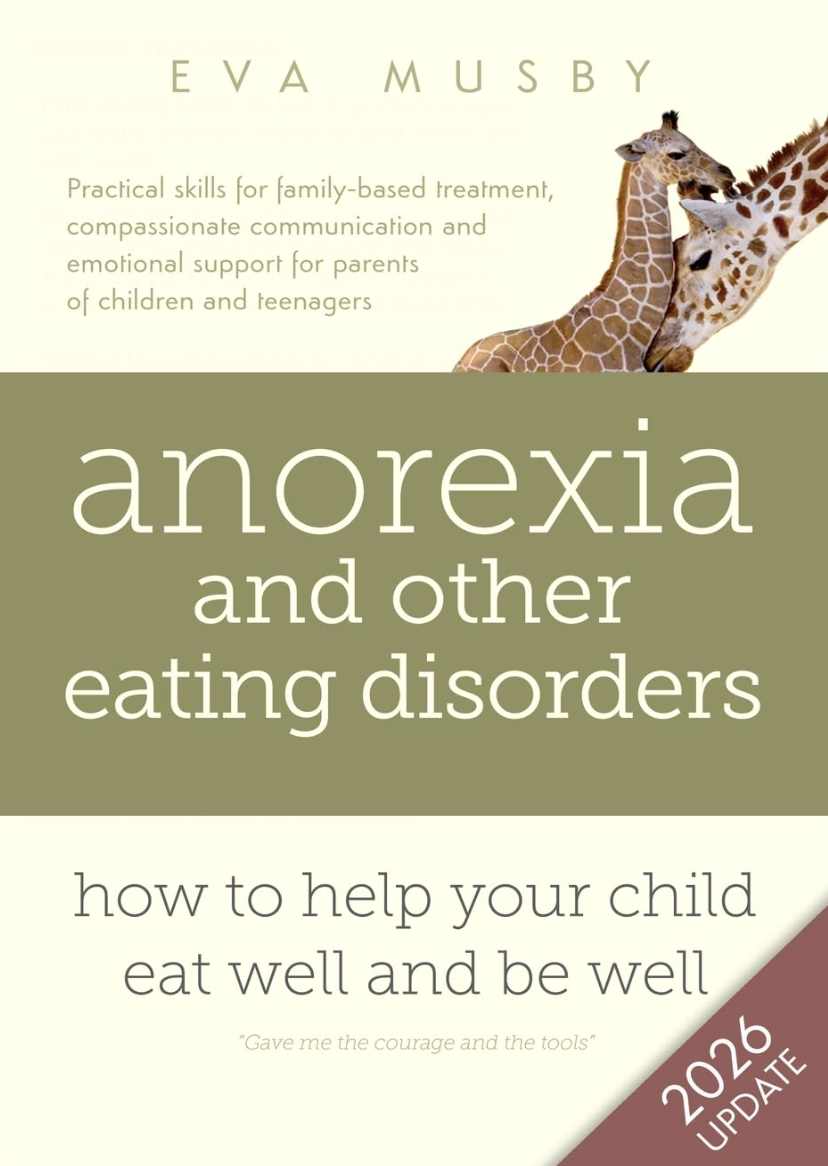
Anorexia and other Eating Disorders: How to Help Your Child Eat Well and Be Well: Practical Solutions, Compassionate Communication Tools and Emotional Support for Parents of Children and Teenagers
-
![]()
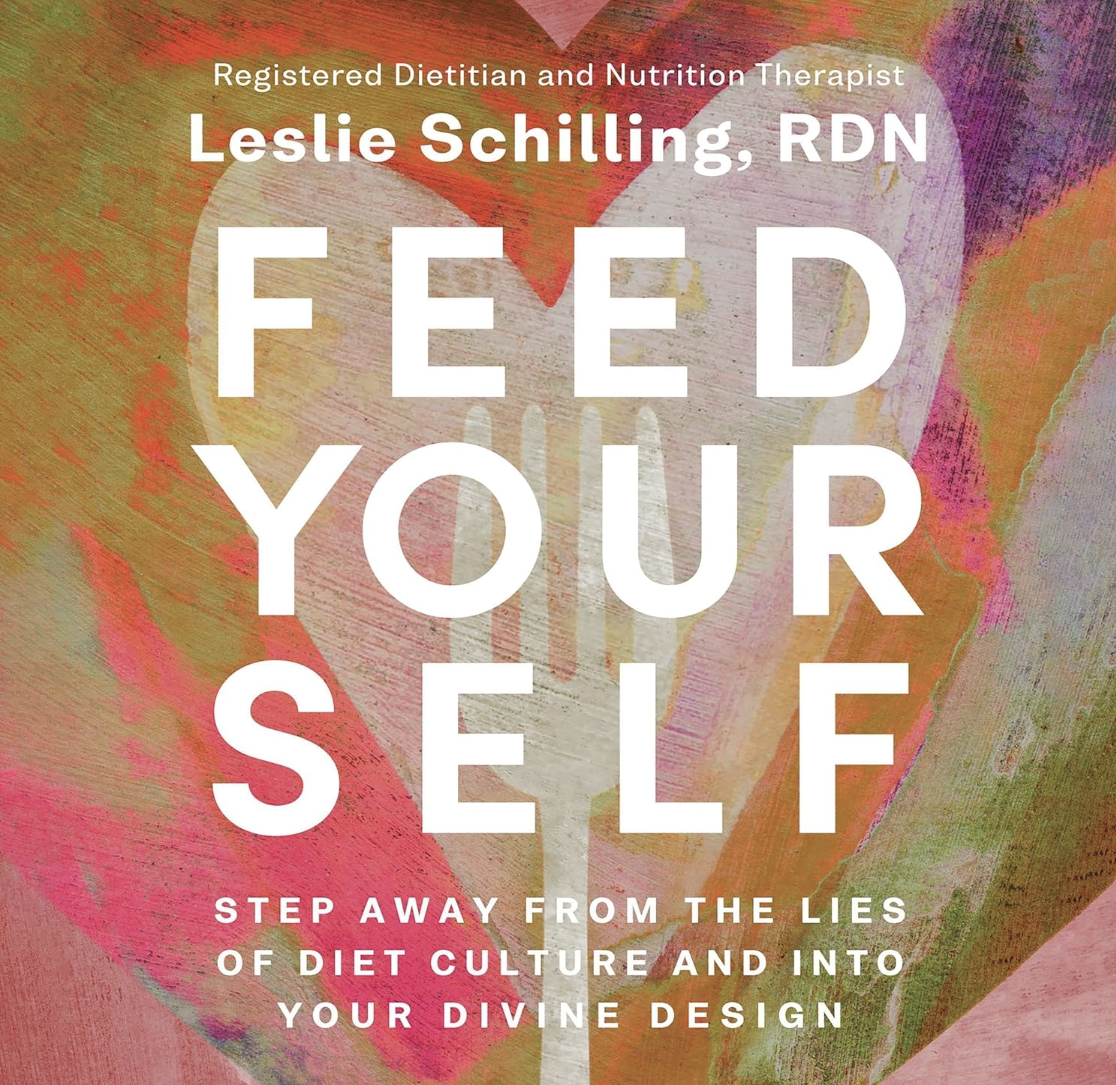
Feed Yourself: Step Away from the Lies of Diet Culture and into Your Divine Design
-
![]()
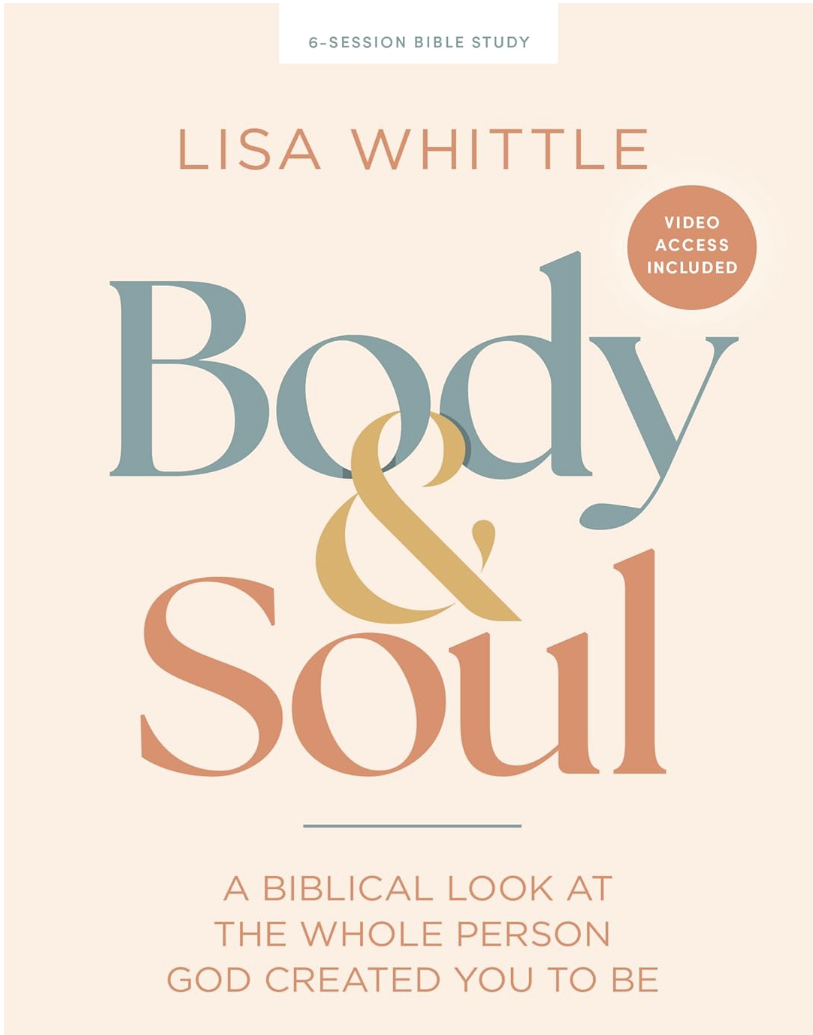
Body and Soul - Bible Study for Women with Video Access: A Biblical Look at the Whole Person God Created You to Be
-
![]()
F.E.A.S.T. (Families Empowered and Supporting Treatment of Eating Disorders) – A Global Organization Which is Dedicated to Providing Support to Parents/Carers of Individuals with Eating Disorders
-
![]()
National Eating Disorders Association (NEDA) - Provides Information and Support to Patients and Carers
-
![]()
Anti-Diet: Reclaim Your Time, Money, Well-Being, and Happiness Through Intuitive Eating
-
![]()
The Wellness Trap: Break Free from Diet Culture, Disinformation, and Dubious Diagnoses, and Find Your True Well-Being
-
![]()
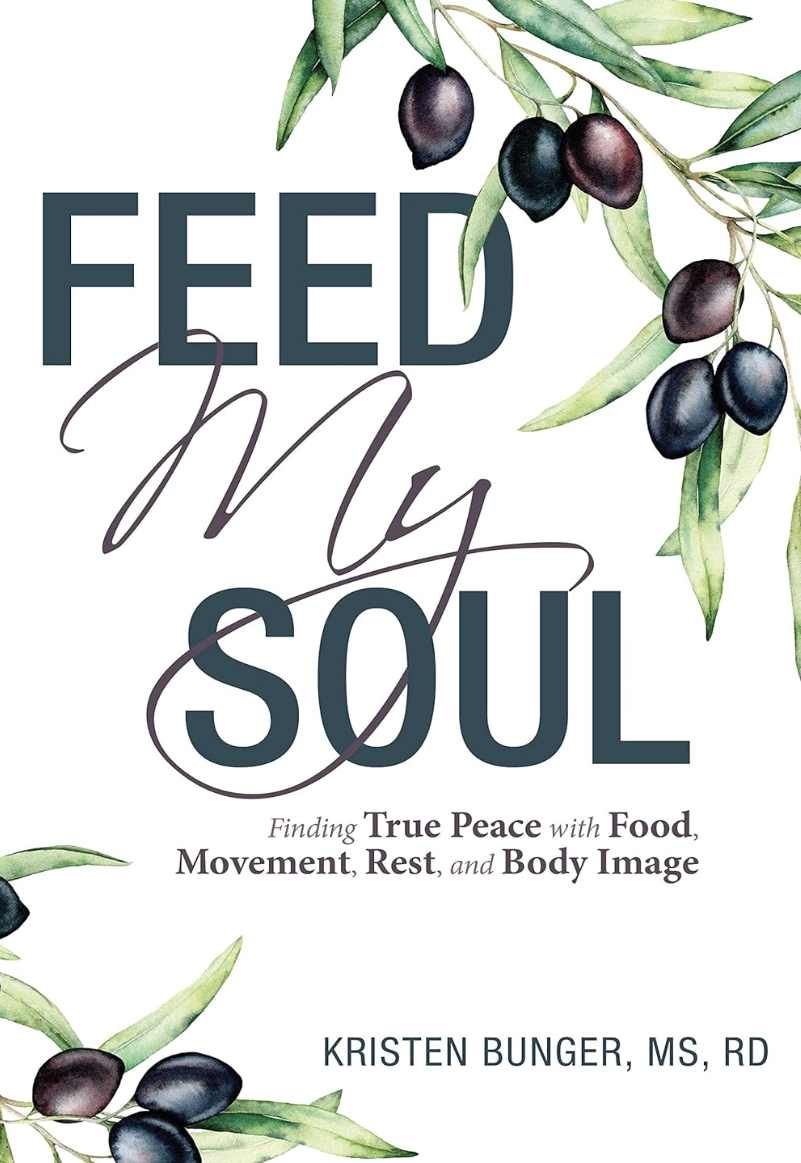
Feed My Soul: Finding True Peace with Food, Movement, Rest, and Body Image
-
![]()
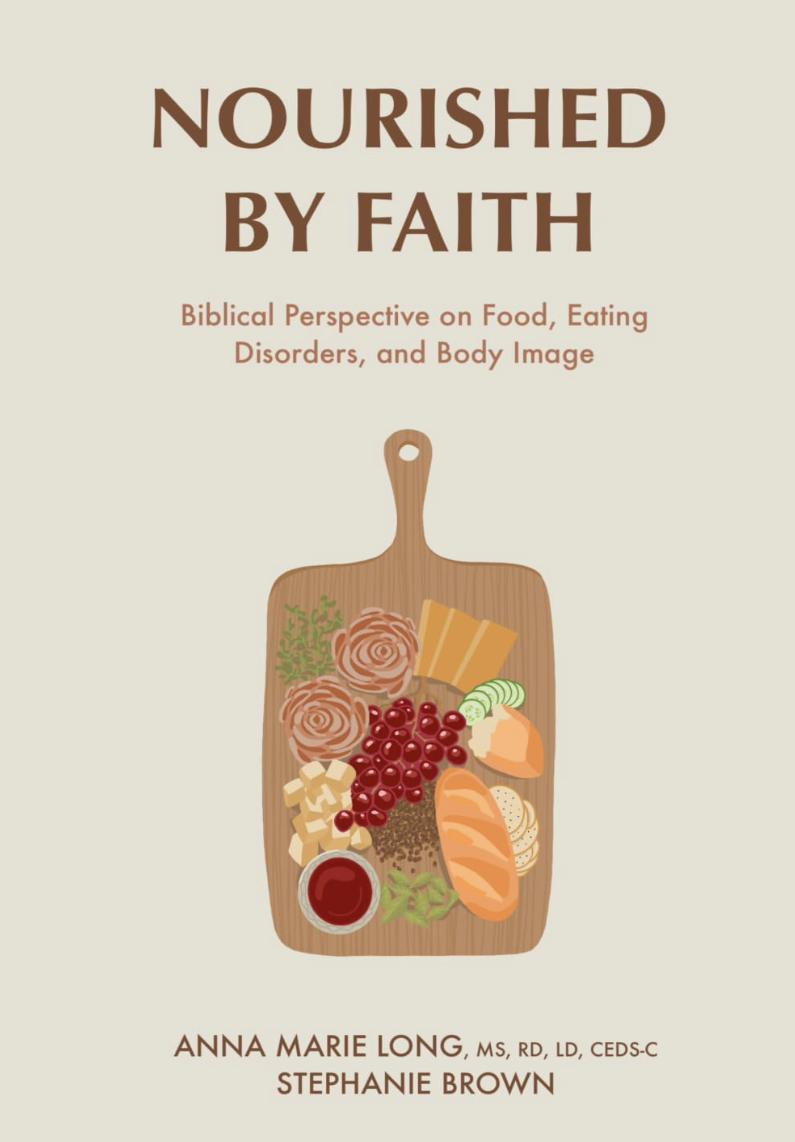
Nourished by Faith: Biblical Perspective on Food, Eating Disorders, and Body Image
-
![]()
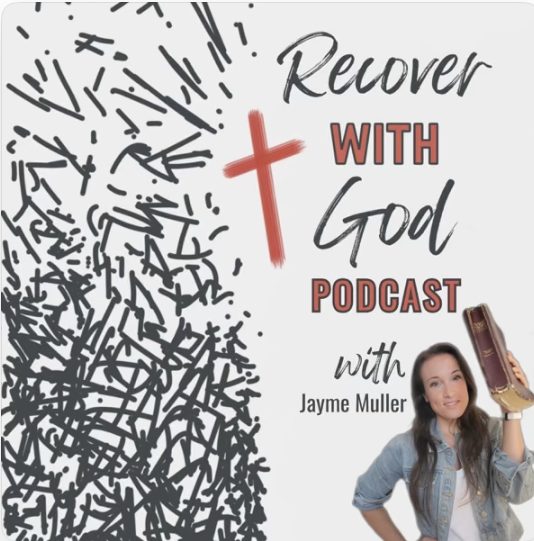
Podcast: Recover with God
-
![]()
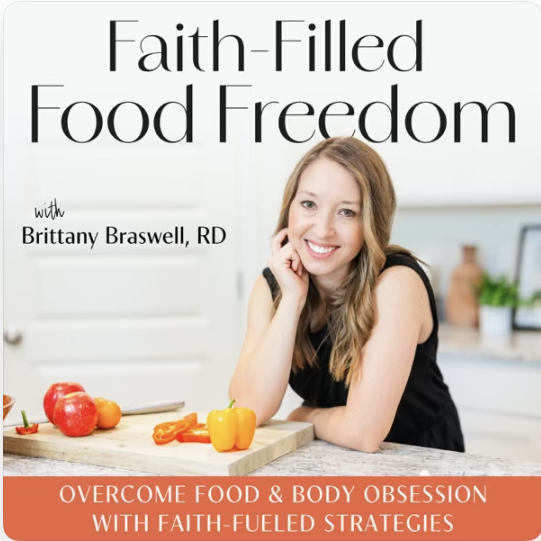
Podcast: Faith Filled Food Freedom with Brittany Braswell, RD
-
![]()
Podcast: Food Psych with Christy Harrison
-
![]()
Podcast: Maintenance Phase - Michael Hobbes and Aubrey Gordon debunk the junk science behind health and wellness fads