Anxiety Disorders and Perfectionism Therapy

Specialized, Compassionate Treatment – Available in MN, WI, ND & FL (Virtual)

When Worry and the Pressure to Get Everything Right Take Over
When anxiety begins controlling decisions, relationships, school, activities, or daily routines, it can become difficult for a young person to feel confident and fully present.
Some children and teens express anxiety openly. Others appear responsible, driven, quiet, or highly successful while privately feeling overwhelmed by worry, self-doubt, physical tension, and the fear of making mistakes.
At Ezer Psychotherapy, we provide specialized therapy for children, adolescents, and young adults experiencing anxiety disorders, health anxiety, school anxiety, panic, and perfectionism.
Our goal is not to eliminate every uncomfortable feeling. We help clients understand anxiety, face challenges gradually, become more flexible, and build confidence in their ability to manage uncertainty.
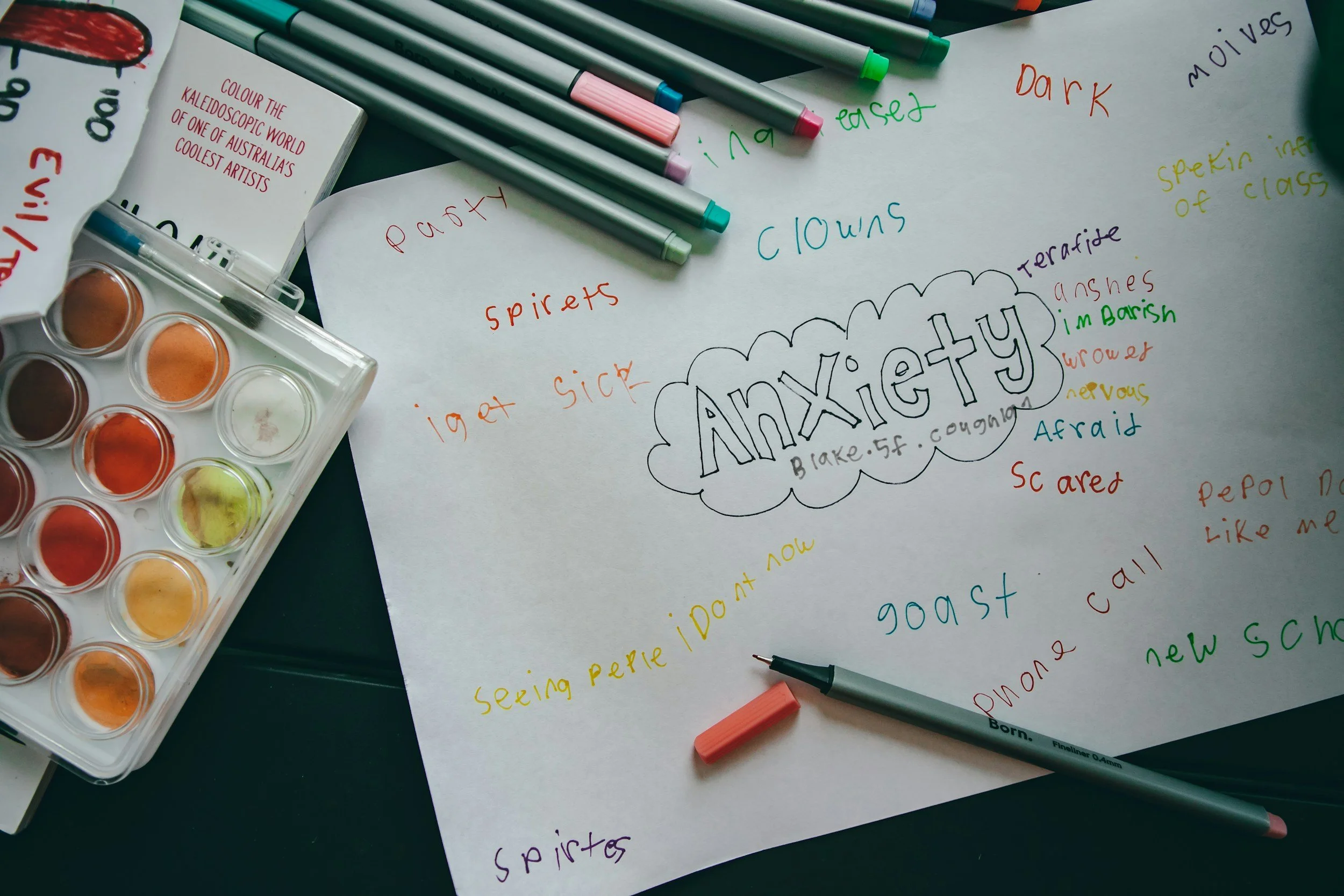
What Does Anxiety Look Like in Young People?
Anxiety may involve more than visible nervousness. It can also appear as:
Frequent worry or repeated “what if” questions
Avoiding school, activities, people, or unfamiliar situations
Stomachaches, headaches, nausea, dizziness, or a racing heart
Irritability, tearfulness, anger, or emotional shutdown
Difficulty sleeping or needing repeated reassurance at night
Fear of mistakes, criticism, embarrassment, or disappointing others
Procrastination because a task feels overwhelming
Repeated reassurance seeking
Difficulty making decisions
Refusing to participate unless success feels guaranteed
Becoming distressed when plans change
Overpreparing, rewriting, rechecking, or restarting work
Anxiety becomes clinically concerning when it is persistent, difficult to control, or begins interfering with school, relationships, health care, activities, independence, or family life.
Anxiety Disorders We Treat:
Generalized Anxiety Disorder
Generalized anxiety involves persistent and difficult-to-control worry across multiple areas of life.
A young person may worry about:
Grades or performance
Health and safety
Family members
Friendships or relationships
The future
World events
Making the wrong choice
Whether they have forgotten something
Whether something bad might happen
They may repeatedly ask “what if” questions, seek reassurance, overprepare, avoid decisions, or become overwhelmed by situations that do not have a clear answer.
Specific Phobias
Specific phobias involve intense fear of a particular object or situation, such as:
Vomiting
Needles or medical procedures
Blood or injuries
Animals or insects
Storms or severe weather
Driving
Flying
Elevators
Heights
Enclosed spaces
Avoidance may reduce anxiety temporarily, but it often strengthens the fear over time. Therapy uses gradual, carefully planned exposure to help clients build confidence and increase flexibility.
Social Anxiety Disorder
Social anxiety is more than shyness. It involves an intense fear of embarrassment, rejection, criticism, or being negatively evaluated by others.
Social anxiety may interfere with:
Attending school
Speaking in class
Meeting new people
Joining activities
Ordering food
Eating in front of others
Performing or competing
Making phone calls
Participating in interviews
Attending parties or social events
Developing friendships or romantic relationships
A socially anxious young person may spend hours replaying conversations, worrying about how they appeared, or avoiding situations where they might make a mistake.
Therapy helps clients gradually enter feared social situations while reducing avoidance, self-criticism, and unhelpful safety behaviors.
School Anxiety and School Avoidance
Anxiety may cause:
Frequent absences
Late arrivals
Physical complaints before school
Repeated visits to the school nurse
Difficulty completing assignments
Distress during transitions
Refusal to enter or remain at school
Avoidance of tests, presentations, or group work
School avoidance may be connected to social anxiety, separation anxiety, panic, perfectionism, bullying, academic pressure, learning difficulties, OCD, or fear of becoming sick.
Treatment focuses on understanding what is driving the avoidance and developing a realistic plan for restoring participation.
Separation Anxiety
Children and teenagers with separation anxiety experience intense distress when away from a parent, caregiver, home, or another attachment figure.
This may lead to:
School refusal
Difficulty sleeping independently
Repeated calls or messages
Fear that something terrible will happen
Difficulty participating in activities without a caregiver nearby
Avoidance of sleepovers, camps, travel, or extracurricular activities
Health Anxiety
Health anxiety involves persistent fear of having, developing, or overlooking a serious medical condition.
Children, teens, and young adults may become highly focused on normal body sensations and struggle to trust reassuring information.
Health anxiety may involve:
Repeatedly checking the body for symptoms
Searching illnesses online
Seeking frequent reassurance
Worrying that ordinary sensations mean something serious
Repeatedly reviewing test results
Avoiding medical information or appointments
Difficulty believing that a medical evaluation was reassuring
Avoiding exercise or activities because of feared physical symptoms
Treatment does not dismiss physical concerns or discourage appropriate medical care. Instead, clients learn to respond more effectively to uncertainty, reduce anxiety-driven checking, and distinguish appropriate follow-up from compulsive reassurance seeking.

Make it stand out.
It all begins with an idea. Maybe you want to launch a business. Maybe you want to turn a hobby into something more. Or maybe you have a creative project to share with the world. Whatever it is, the way you tell your story online can make all the difference.

What Makes Ezer Psychotherapy Different?
✔ Specialized focus on anxiety and depression in youth and young adults
✔ Evidence-based, results-driven therapy
✔ Warm, compassionate, and individualized care
✔ Parent collaboration to accelerate progress
✔ Optional faith-based (Christian) therapy integration
✔ Convenient virtual sessions
We help clients move beyond fear and avoidance—and toward confidence, independence, and resilience.
Get in Touch
Beginning therapy can feel overwhelming. My goal is to provide a supportive, nonjudgmental environment where you feel empowered throughout your therapeutic journey.
I'd welcome the chance to schedule a complimentary 15-minute phone consultation to see if we're a good fit and to answer any questions you have about the work we can do together.

Struggling to understand anxiety, depression, or how to support someone you love? Visit our blog for expert advice, real-world strategies, and support for every stage of recovery.
-
![Christian counselor
Christian therapist
faith based therapy
Christian counseling near me
Christian eating disorder therapist
Christian trauma therapy
therapy integrating faith
therapist who understands Christianity
mental health and faith
biblical]()
How to Help a Teen With Anxiety (Parent Guide)
-
![Christian counselor
Christian therapist
faith based therapy
Christian counseling near me
Christian eating disorder therapist
Christian trauma therapy
therapy integrating faith
therapist who understands Christianity
mental health and faith
biblical]()
Holding Anxiety to the Light
-
![Christian counselor
Christian therapist
faith based therapy
Christian counseling near me
Christian eating disorder therapist
Christian trauma therapy
therapy integrating faith
therapist who understands Christianity
mental health and faith
biblical]()
High-Functioning Anxiety in Children, Teens, and Young Adults: Signs, Symptoms, and Effective Treatment
-
![why do I hate my body
why am I never good enough
why do I feel guilty resting
why can’t I stop overthinking
why do I feel emotionally numb
why do I panic after eating
why do I need to be perfect
why do I overexercise
why do I feel anxious all the tim]()
High-Functioning Anxiety in High Performers: When Success Comes at a Cost
-
![A young woman sitting on a tiled floor with her back against a gray textured couch, wearing a brown beanie and an orange sweater. She appears to be deep in thought or resting, with her eyes closed and her hands on her chest. A guitar is leaning against the wall in the background, and there is a window with blinds behind her.]()
How to Tell if Anxiety Is Taking Over Your Life: 15 Signs You Shouldn’t Ignore